
Top Rated 40 mph electric scooter for Adults and Teens
 PopScooter Team
February 23, 2026 6:48 am
.
18 min read
PopScooter Team
February 23, 2026 6:48 am
.
18 min read
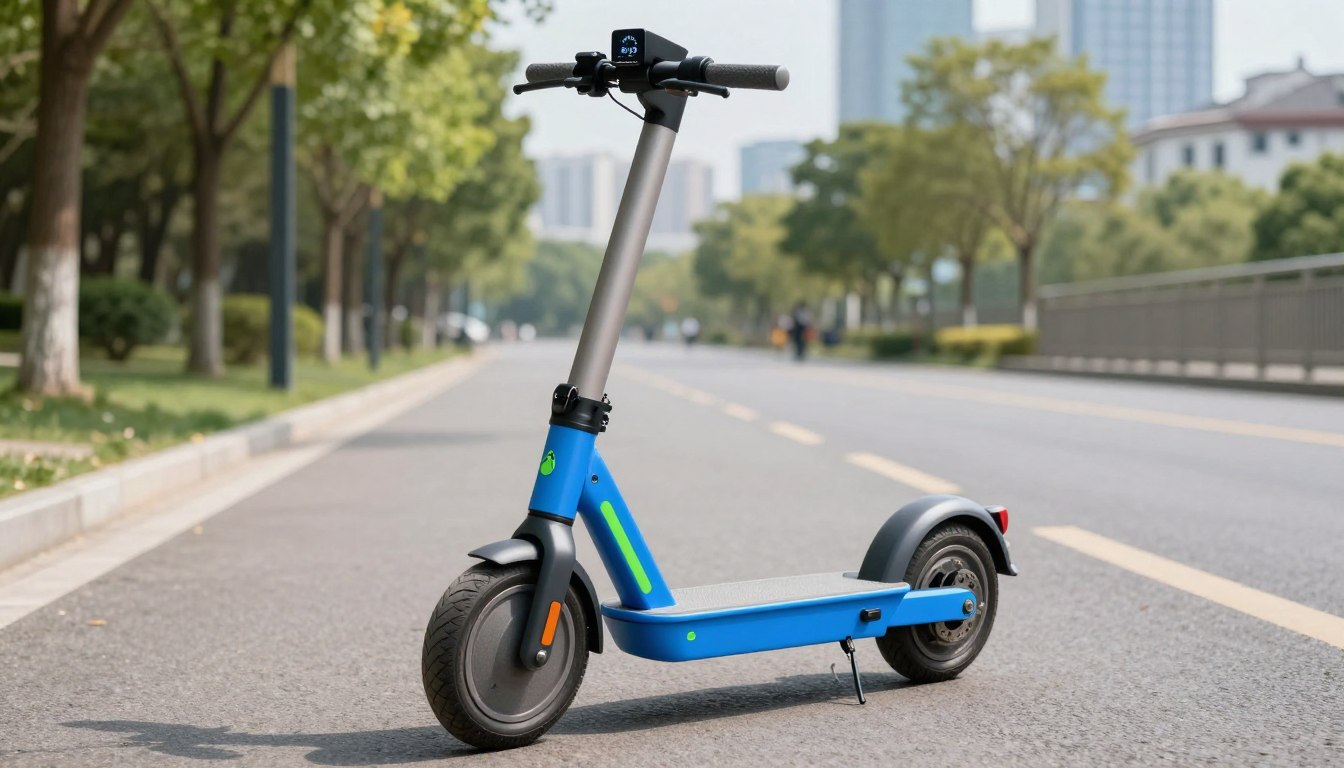
Who really needs a ride that blends commuting speed with weekend thrills? This guide helps readers decide if this tier fits their life. It frames the class as ideal for trips that are too long to walk but too short to drive.
They explain what “top rated” means for a buyer: reliability, braking, stability, and real-world usability, not just a claimed top number. The guide sets clear expectations for adults and teens and notes why experience matters as speed rises.
Readers get a preview of key buying criteria: motor setup, battery range, braking systems, suspension and tires, and actual control in daily use. The piece also warns that the listed mph can change with rider weight, terrain, wind, and battery level.
Safety comes first: higher speed alters stopping distance and visibility. The guide points shoppers to what to check in specs, listings, and warranties before they buy.
Key Takeaways
- Top rated means proven reliability and usable braking, not just a spec number.
- Suitable riders are experienced adults and some teens; beginners should be cautious.
- Compare real-world range and handling, not only top speed claims.
- Check motor, battery, suspension, and brake setup when shopping.
- Higher speed needs better protective gear and awareness of stopping distance.
Why Riders in the U.S. Are Choosing Faster Electric Scooters Right Now
U.S. riders are choosing faster models for clear reasons: time savings, less car dependence, and direct point-to-point convenience. For many, the faster option sits between a short drive and a long walk and makes mid-length trips much more practical.
Who benefits most? Experienced commuters logging 10+ miles a day get consistent travel times. Adventurers gain range for urban exploration. Delivery riders cut route time and raise efficiency.
What changes at higher speeds? Wind resistance, body position, and steering sensitivity all matter. Riders must use calm, predictable inputs to keep control. Performance must match braking, lighting, and rider skill — not just a bold top-speed claim.
- Road quality matters: potholes and uneven surfaces have bigger consequences at speed.
- Route planning becomes essential to avoid heavy traffic or unsafe lanes.
- Local rules and gear are non-negotiable: helmets, lights, and legal compliance protect both rider and public.
What to Expect From a 40 mph electric scooter in 2026
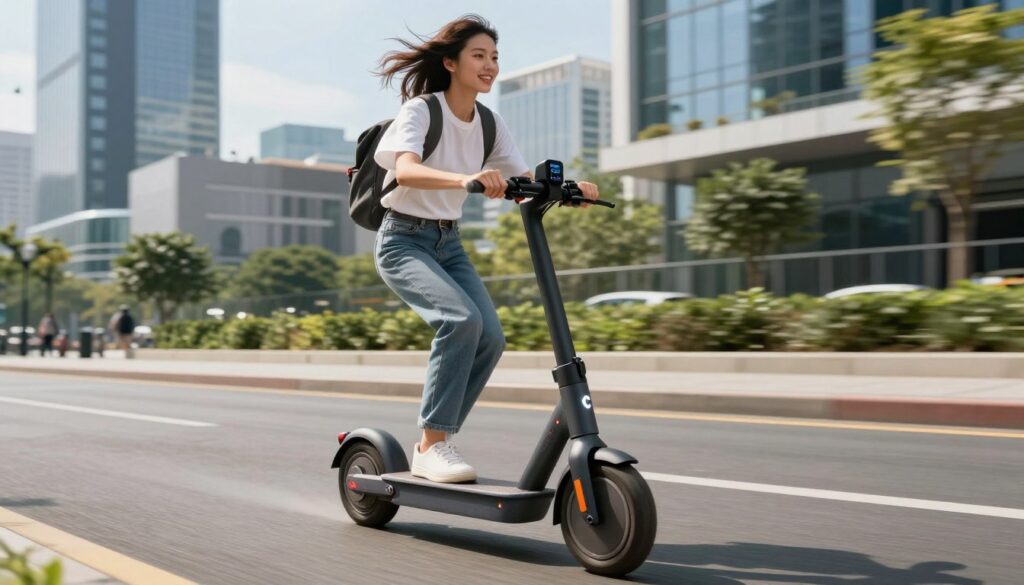
A buyer in 2026 should expect machines that balance performance with real-world stability and serviceability. Models that promise high top speed must also offer strong brakes, tuned suspension, and easy access to common parts.
Motor setups that typically reach this speed range
Most high-speed models use dual hub motors paired with higher-capacity lithium packs. Dual setups give better acceleration and redundancy, while battery capacity governs sustained performance and range.
Real-world range expectations for longer rides
Advertised figures often list 40–60 miles per charge, but real-world miles drop when riders hold high speeds or climb hills. Expect a noticeable range loss during sustained fast runs and plan charging stops accordingly.
Comfort and stability features that matter at 40 mph
Suspension tuning, pneumatic tires, wider decks, and steering dampers make high speeds controllable and less tiring. These features cut vibration and improve rider confidence on varied roads.
Build quality basics: frames, tires, and load capacity considerations
Look for robust frames, reliable folding mechanisms, and clear load ratings. Heavy riders or frequent long rides accelerate wear; consider availability of replacement parts like tires, brake pads, tubes, and chargers.
- Performance matters, but verified tests beat bold claims.
- Check rated vs. peak motor output and realistic range in miles.
- Confirm spare parts and service options before buying; it saves downtime.
For a hands-on comparison and replacement part access, readers often review detailed model pages such as the Razor Pocket Mod guide to judge support and real-world results.
Power and Acceleration: Single Motor vs Dual Motor Performance
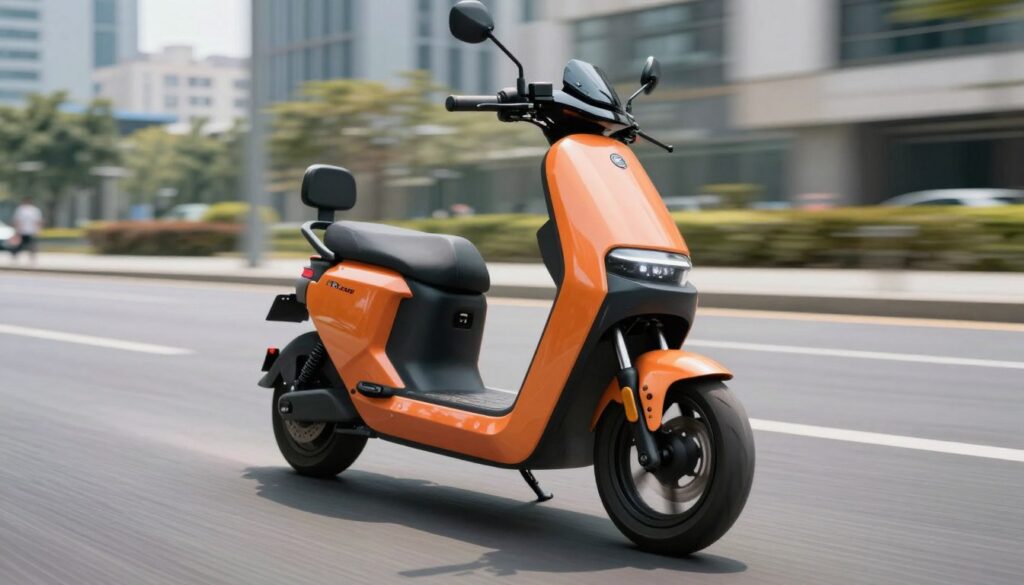
Power delivery shapes how a ride launches, climbs, and feels at speed. Riders and buyers should focus on usable output rather than headline numbers. A real setup balances launch torque, heat management, and sustained thrust.
Why dual motors dominate this segment
Dual motors win for traction and steady acceleration under load. They split work across two hubs, so launches feel stronger and braking regeneration can be smoother. For heavier riders, that matters most for safety and confidence.
Typical combined power ranges
Common combined power runs from about 2000W to 5600W in top-tier listings. In practice, higher nominal wattage means quicker startup torque but also more heat and battery draw during long runs.
Hill climbing and torque for heavier riders
Torque, not peak top speed, decides hill performance. Dual motor setups keep rpm and torque steadier when climbing. Single motor models can work, but they may fade earlier with added rider weight.
Riding modes and handlebar control
Good control gear includes eco, drive, and sport modes plus a dial or throttle mapping on the bars. Smooth throttle response helps riders manage acceleration and reduces surprises. Buyers should prefer models with clear, tested mapping and reliable control dials.
- Pros of dual motors: better launches, improved traction, redundancy.
- Pros of single motor: lighter weight, simpler maintenance, lower cost.
- Buyer tip: verify wattage claims and prioritize documented specs and warranty over extreme listings.
Battery, Range, and Charging: How Many Miles They Can Actually Go
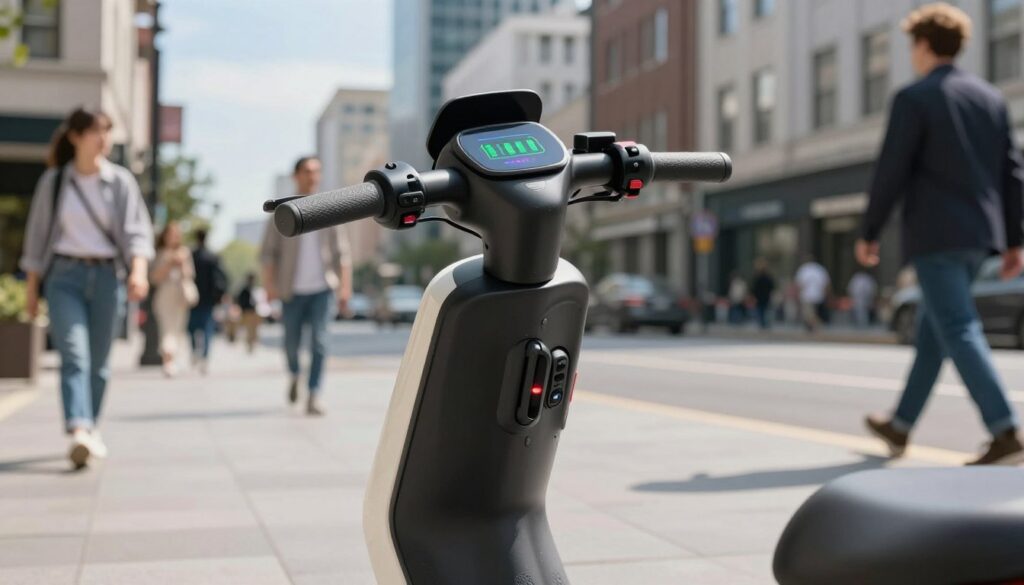
Understanding battery capacity, voltage, and charging choices helps buyers set realistic expectations. Range numbers vary a lot between lab tests and real roads. Rider weight, terrain, and sustained top speed all cut into advertised miles.
How battery size affects range and sustained top speed
Higher capacity cells give more usable miles and better sustained speed under load. But heavy throttle or long climbs cause battery sag and lower the real-world range.
Range benchmarks commonly advertised
Many listings claim 40–60 miles per charge. That matches iScooter and common market claims, yet actual commuting range is often much lower at steady high speed.
Fast charging trade-offs and what to check
Look for charger output, dual-charger support, and thermal management. Fast charging helps on the go but can raise heat and shorten overall battery life.
- Compare cost-per-mile: include battery replacement risk when judging price.
- Verify claims: check reviews and seller reputation for any mph electric scooter listing.
- Note power myths: a 2000 electric scooter tag does not guarantee top speed without proper voltage and controller tuning.
Advanced Braking Systems for High-Speed Control
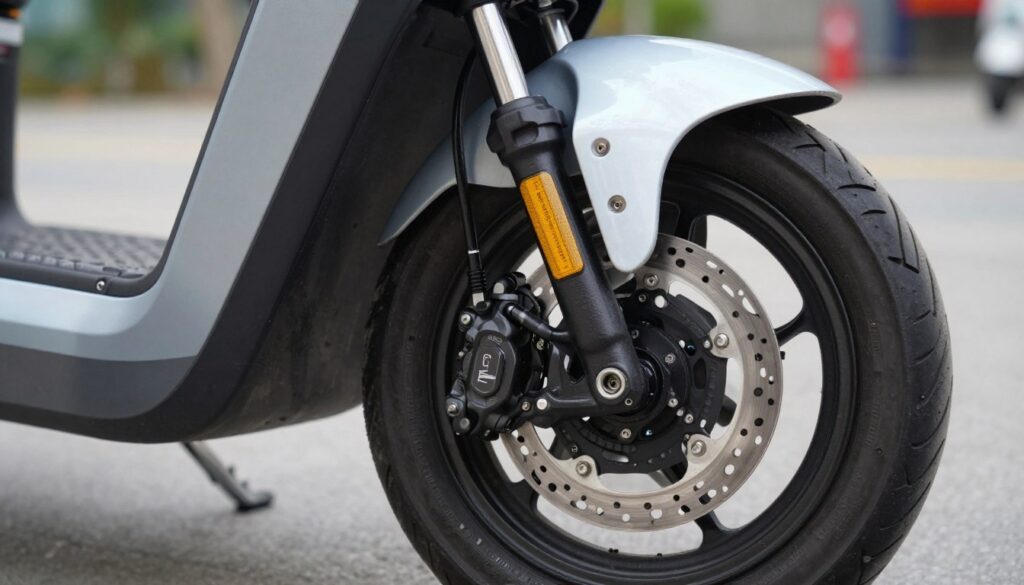
Reliable brakes turn high performance into safe, repeatable control. At higher speeds, braking systems are no longer optional extras. They manage heat, preserve lever feel, and ensure consistent stopping during repeated use.
Why hydraulic and dual-disc setups are common
Hydraulic discs give smoother modulation and less hand fatigue under repeated stops. Dual-disc layouts split load between wheels, cutting fade and improving stability.
Stopping confidence for rider weight and scooter mph
Heavier riders should favor larger rotors and multi-piston calipers. Matching brake capacity to expected top speeds delivers predictable deceleration and safety.
Brake maintenance checks that protect performance
Simple checks keep advanced braking systems working: inspect pad wear, verify rotor true, check fluid for hydraulic units, and test cable tension on mechanical setups.
- Modulation vs maintenance: hydraulic wins for feel; mechanical is easier to service.
- E-ABS and e-brake: when tuned, they add stability under hard stops.
- Pro electric buyers look for predictable stopping, easy parts, and clear service guides.
Always test brakes during a short ride and follow bedding-in steps after installation to lock in consistent performance.
Suspension, Tires, and Handling for City Streets and Rough Roads
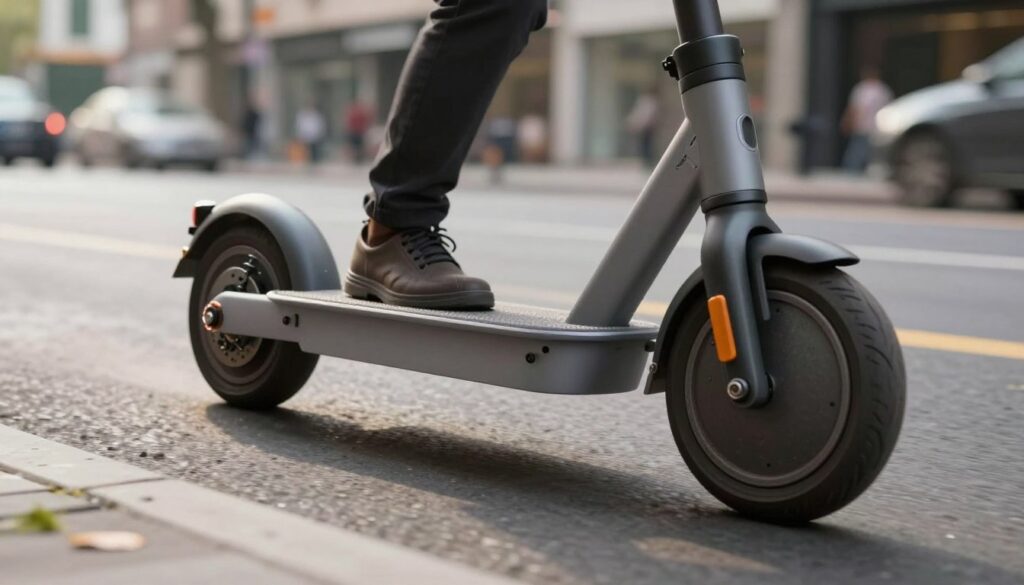
Good suspension and the right tires turn a rough commute into a stable, confidence-inspiring ride.
Common suspension types and rider feel
Riders often see dual-spring setups and hydraulic-style shocks on high-performance models. Dual springs give predictable compliance on potholes.
Hydraulic-style shocks add damping for long fast runs and reduce chatter on rough asphalt.
Pneumatic versus off-road tire trade-offs
Pneumatic street tires offer comfort and lower rolling resistance for city miles. They brake and corner well on paved surfaces.
Off-road electric tires boost grip on loose dirt and grass but add vibration and slower handling on smooth roads. Choose tread based on most riding conditions.
Deck, stance, and handling at higher mph
A wider deck and a stable stance reduce rider fatigue and improve steering inputs. Proper tire pressure cuts wobble risk and sharpens control at speed.
For mixed routes, an off-road electric scooter setup with moderate suspension travel balances comfort and maneuverability.
Water resistance and rain-ready riding
Look for IP ratings and never assume water-resistant means waterproof. Wet surfaces shorten stopping distance and lower traction.
Tip: slow down in rain, check brakes after a wet ride, and dry parts to avoid corrosion.
- Choose suspension to match road quality.
- Pick tires by surface: smooth or light trail.
- Wider deck improves long-ride comfort and control.
Choosing Between Commuter and Off-Road Electric Scooter Setups
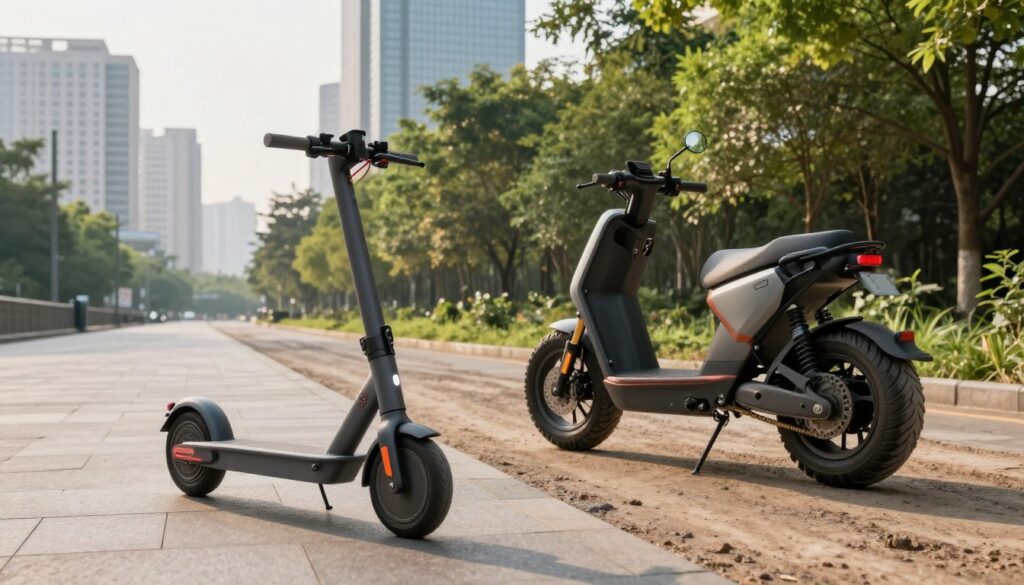
Start with routine rides—those determine whether portability or ruggedness matters most. Riders should match a model to daily needs rather than weekend fantasies. That keeps maintenance and costs realistic.
Urban commuting priorities
For city use, weight and folding reliability matter first. A light, foldable frame with solid latches makes carrying stairs and storing at work simple.
Other must-haves:
- Strong LED lights and reflectors for visibility.
- Wide deck for steady stance in traffic.
- Predictable handling, not twitchy steering at speed.
Off-road priorities
For trails, focus on tire volume, tread, and suspension travel. Rugged hardware and sealed connectors resist vibration and dust.
- Higher-volume tires with aggressive tread.
- Longer suspension travel and durable forks.
- Replaceable parts and reinforced folding joints.
Practical tip: Many models labeled off-road handle light trails best. Choose the configuration that fits most days of riding. The right setup is the one they will ride safely and maintain affordably.
Features That Add Real Value (Not Just Hype)
Practical add-ons separate a polished daily rig from a showpiece that looks good in a spec sheet. Buyers should look for items that reduce hassle, boost safety, or cut running costs.
Displays, app connectivity, and smart tracking systems
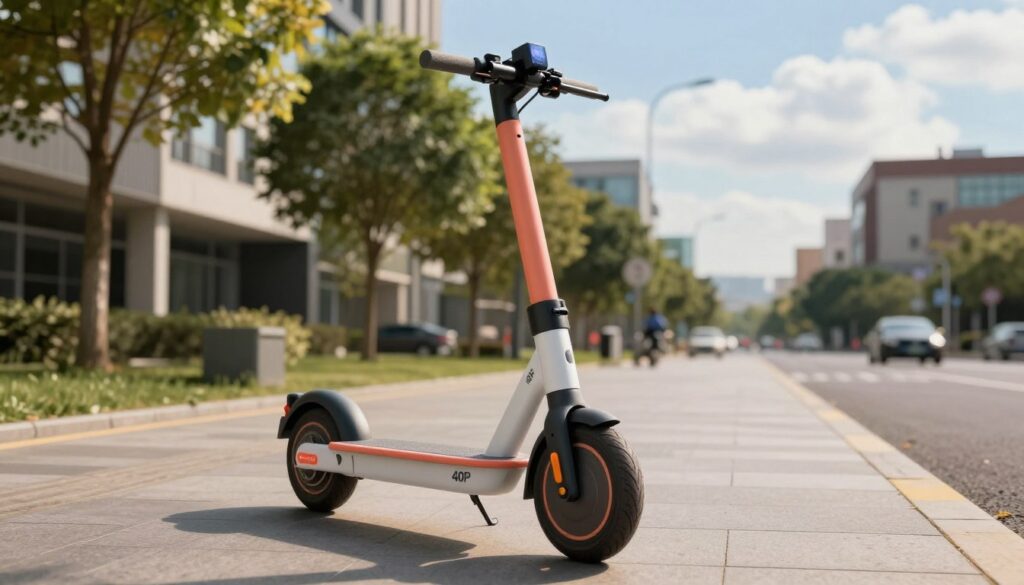
Readable screens and useful apps matter more than glossy menus. A display must be clear in sunlight and show accurate speed and battery state. The app should add real controls — locking, firmware updates, or ride logs — not just cosmetic colors.
Smart tracking systems help recover stolen units and assist fleet managers for delivery routes. A simple GPS with tamper alerts is often better than a complex, unreliable tracker.
Safety visibility: LED lighting and nighttime essentials
Bright headlights, rear lights, and turn signals improve rider visibility and lower risk in low light. Reflective elements on the deck or fenders add passive safety without power draw.
Riders should test beam pattern and mounting position before committing to a purchase.
Anti-theft basics and practical storage add-ons
Alarms, keyed locks, and NFC tagging add layers of theft deterrence. Fast, heavy models attract thieves, so built-in tracking and strong physical locks pay off.
Handlebar bags, under-seat mounts, and lockable boxes suit commuters and delivery riders who need quick access to tools and orders.
Accessories riders actually use: bags, tools, and chargers
Useful accessories include a compact multi-tool, patch kit or spare tube, a mini pump, and a second charger for work or delivery shifts. These prevent simple breakdowns from ending a run.
- First-month kit: multi-tool, tire patch kit, spare tube.
- Daily carry: handlebar bag for tools and phone, spare charger.
- Security: lock and basic alarm or GPS tracking.
Value is judged by how features reduce stress, increase safety, or lower long-term cost. For a model with premium displays or tracking, see a detailed parts and accessory page like Nami Klima accessories to evaluate practical returns on added options.
Price and Value in the U.S.: Finding a Fast Scooter Without Overspending
Finding the right balance between cost and capability is the smart first step for U.S. buyers.
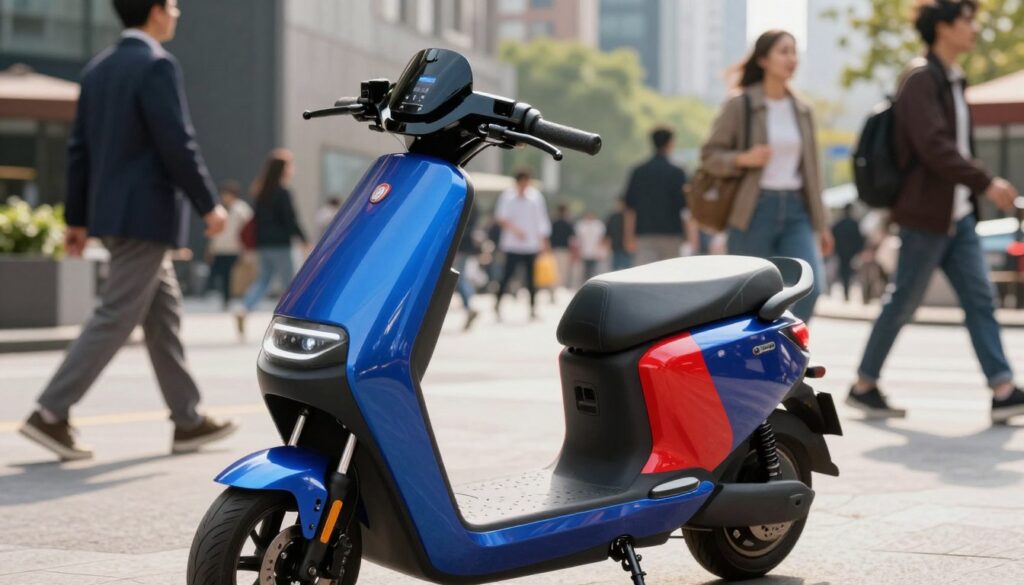
What under $1000 commonly includes: buyers can expect a frame with basic suspension, mechanical or single-disc brakes, a foldable design, and water-resistant finishes. These models often offer riding modes and decent top-end claims, but brand support and verified testing may be limited.
Comparing motor, battery, braking, and frame
Compare by parts, not price tags. Check motor and controller quality, battery capacity and stated cell chemistry, brake type, and frame rating. A solid controller and known cell specs usually beat an inflated top-speed claim.
Spotting too-good-to-be-true listings
Watch for vague battery numbers, extreme wattage claims, mismatched specs, or sellers with poor ratings. Circooter-style listings that market high top speed under low cost sometimes show lower tested speeds in their own FAQs.
Practical buying checklist
- Verify seller rating, returns, and warranty before purchase.
- Prefer clear battery specs and replaceable parts.
- Favor models with documented brake and suspension details over bold mph claims.
The best value is a model they can ride safely and service locally. A slightly higher price for verified parts and support often saves money and stress long-term.
Picking the Right Model and Riding Confidently From Day One
Pick a rig that fits your typical miles and riding confidence from day one, and match routes, rider weight, target speed, and storage needs before buying.
Sanity-check labels like 2000 electric against voltage, controller output, and real-world load so expectations match tested performance. Pro buyers should verify rated torque and usable miles in reviews.
On day one do torque checks, set tire pressure, bed the brakes, and take a short low-speed shakedown ride. Build safety habits: helmet and visibility gear, and ride within conditions rather than chasing top speed.
Keep a simple maintenance rhythm—weekly quick checks and monthly deeper inspections—and confirm local laws. The right model delivers repeatable control and long-term reliability for confident, pro-level use.
FAQ
What makes a top rated 40 mph electric scooter suitable for adults and teens?
A top rated model combines powerful motors, reliable braking, and solid suspension with clear safety features. Riders look for robust frames, good load capacity, and a balanced deck that supports confident handling at higher speeds. Brands such as Dualtron, Kaabo, and Segway typically pair strong powertrains with tested parts to meet those needs.
Where does a 40 mph top speed fit between short drives and long walks?
That speed turns short drives into quick commutes while remaining more practical than a car for urban trips. It shortens commute time on bike lanes and quiet roads without requiring a full vehicle. Riders should still plan routes with traffic rules and safe stopping distances in mind.
Who benefits most from faster scooters like these?
Commuters who need faster point-to-point travel, adventurers who want off-road capability, and delivery riders who value time savings all benefit. Heavier riders or those facing hilly routes particularly gain from higher torque and dual motor setups.
How does riding at higher speeds change the experience?
Higher speeds increase the need for precise control, better suspension, and advanced braking. Riders must wear protective gear and use appropriate riding modes to manage acceleration and stability. Visibility and lighting become more critical for night or low-light conditions.
What motor setups typically reach this speed range?
Single high-power hub motors can reach this class, but dual motor configurations are more common for consistent acceleration and hill performance. Typical setups pair brushless hub motors or belt drive systems with combined power ratings that deliver strong torque and top speed.
What real-world range should riders expect from a scooter that can hit 40 mph?
Real-world range varies with rider weight, terrain, and speed. At high speeds, range drops significantly versus manufacturer claims. Expect shorter distances when riding at or near top speed; conservative planning and battery capacity checks help avoid surprises.
Which comfort and stability features matter most at this speed?
Long-travel suspension, wide pneumatic tires, a stiff frame, and a low center of gravity matter most. These features reduce wobble, absorb road shock, and improve grip so the ride stays stable and comfortable at higher speeds.
What build quality basics should a buyer check?
Inspect frame material, weld quality, tire condition, and maximum load ratings. Heavier-duty components and replaceable parts (motors, batteries, brakes) increase longevity. Reliable brands publish clear specs and parts availability.
Why do dual motors dominate the 40 mph category?
Dual motors provide better traction, smoother acceleration, and higher combined power for hills and heavy riders. They also offer redundancy—if one motor stresses, the other can compensate—improving performance and confidence on mixed terrain.
What combined power ranges are typical in this class?
Combined output varies widely, but many models fall into mid-hundreds to over a thousand watts per motor combined. Higher power delivers faster acceleration and stronger hill-climbing ability, though efficiency and battery size impact real-world performance.
How do these scooters handle hills and heavier riders?
Torque and motor cooling determine hill performance. Dual motors and higher torque specs give better acceleration uphill, while larger battery packs prevent voltage sag. Riders should match motor and battery specs to their weight and usual routes.
What riding modes and controls help manage top speed safely?
Multiple riding modes—eco, standard, and sport—allow riders to limit acceleration and top speed. Throttle curves, cruise control, and app-adjustable settings let users tailor performance for safety, range, and comfort.
How does battery size affect range and sustained top speed?
Larger batteries deliver longer range and better voltage stability under load, which helps sustain higher speeds. However, bigger packs add weight and affect portability. Buyers should balance desired range with weight and charging time.
What range benchmarks do manufacturers commonly advertise?
Brands often list optimistic ranges based on ideal conditions at moderate speeds. Typical advertised ranges for fast models can be 30–70 miles, but high-speed use often halves those figures. Look for real-world tests and rider reports.
What are the trade-offs with fast charging?
Fast charging reduces downtime but can shorten battery life if used constantly. Check for manufacturer guidance, battery management systems (BMS), and supported charger types to ensure safe, long-lasting charging.
Why are hydraulic or dual-disc brakes common in high-speed scooters?
Hydraulic and dual-disc systems offer stronger, more consistent stopping power and better heat dissipation under repeated braking. They give riders confidence when slowing from higher speeds or when carrying heavier loads.
How should brakes be matched to rider weight and speed?
Brake sizing and pad type must account for maximum rider weight and top speed. Heavier riders and higher speeds require larger rotors, better calipers, and regular maintenance to maintain stopping distance and reliability.
What brake maintenance checks protect performance?
Regular pad inspections, rotor checks for warping, and fluid changes for hydraulic systems keep braking consistent. Tightening bolts, checking cable tension, and monitoring wear extend life and safety.
What suspension types are common on high-speed models?
Coil spring, hydraulic, and air suspension systems appear across the segment. Long-travel dual shocks or adjustable setups improve comfort and control on rough roads and at high speeds.
How do pneumatic and off-road tires compare for comfort and grip?
Pneumatic tires absorb bumps and offer good grip on pavement. Off-road or knobby tires add traction on dirt and gravel but can reduce top speed and increase rolling resistance. Choose tires based on typical terrain.
What deck width and stance support stable riding at speed?
Wider decks and a lower stance enhance stability and control, especially during cornering. A roomy foot platform helps riders shift weight comfortably and maintain balance during acceleration or braking.
Are these scooters rideable in rain or wet conditions?
Many models offer water resistance ratings and sealed components, but riding in heavy rain can still risk electrical issues and reduced braking performance. Check IP ratings and manufacturer guidance before riding in wet weather.
How should riders choose between commuter and off-road setups?
Commuters prioritize portability, foldable frames, lighting, and smoother tires. Off-road setups focus on durable frames, beefy suspension travel, and aggressive tires. Pick the configuration that matches daily routes and storage needs.
What features add real value beyond raw speed?
Useful features include clear displays, app connectivity with GPS tracking, smart battery monitors, bright LED lighting, and practical accessories like cargo bags and chargers. These improve daily usability and security.
Which safety visibility items are essential for night riding?
Front and rear high-lumen LEDs, side reflectors, and brake lights significantly improve visibility. A reliable horn and reflective clothing complete a safer nighttime setup for both commuters and delivery riders.
What anti-theft basics and storage add-ons should buyers consider?
Strong locks, wheel clamps, alarm systems, and GPS trackers help deter theft. Practical storage options include under-deck bags, handlebar pouches, and dedicated charger compartments for daily convenience.
What accessories do riders actually use?
Riders commonly use phone mounts, multi-tool kits, spare inner tubes, portable chargers, and weatherproof bags. These accessories improve maintenance and make daily rides more convenient.
What can buyers expect from models under 00?
Under 00 models can offer decent range and moderate speeds, often with single motors and basic suspension. Buyers should prioritize reliable brakes and battery quality, and be realistic about top-speed and build expectations.
How should buyers compare performance versus price?
Compare motor power, battery capacity, braking systems, and suspension quality. Real-world tests and owner feedback reveal which models deliver reliable performance versus those that overpromise on specs.
Where should buyers be cautious with too-good-to-be-true listings?
Watch for vague specs, missing warranty info, and unclear parts availability. Avoid listings that promise extreme range or speed without third-party reviews or known brand backing.
How can a new rider pick the right model and start confidently?
They should match the scooter to typical routes, weight, and storage needs, prioritize safety features, and begin in lower riding modes. Practice in low-traffic areas, wear protective gear, and follow local laws to build skill and confidence.