
Discover the Best Phat Scooters: Top Picks and Reviews
 PopScooter Team
January 25, 2026 1:02 am
.
10 min read
PopScooter Team
January 25, 2026 1:02 am
.
10 min read
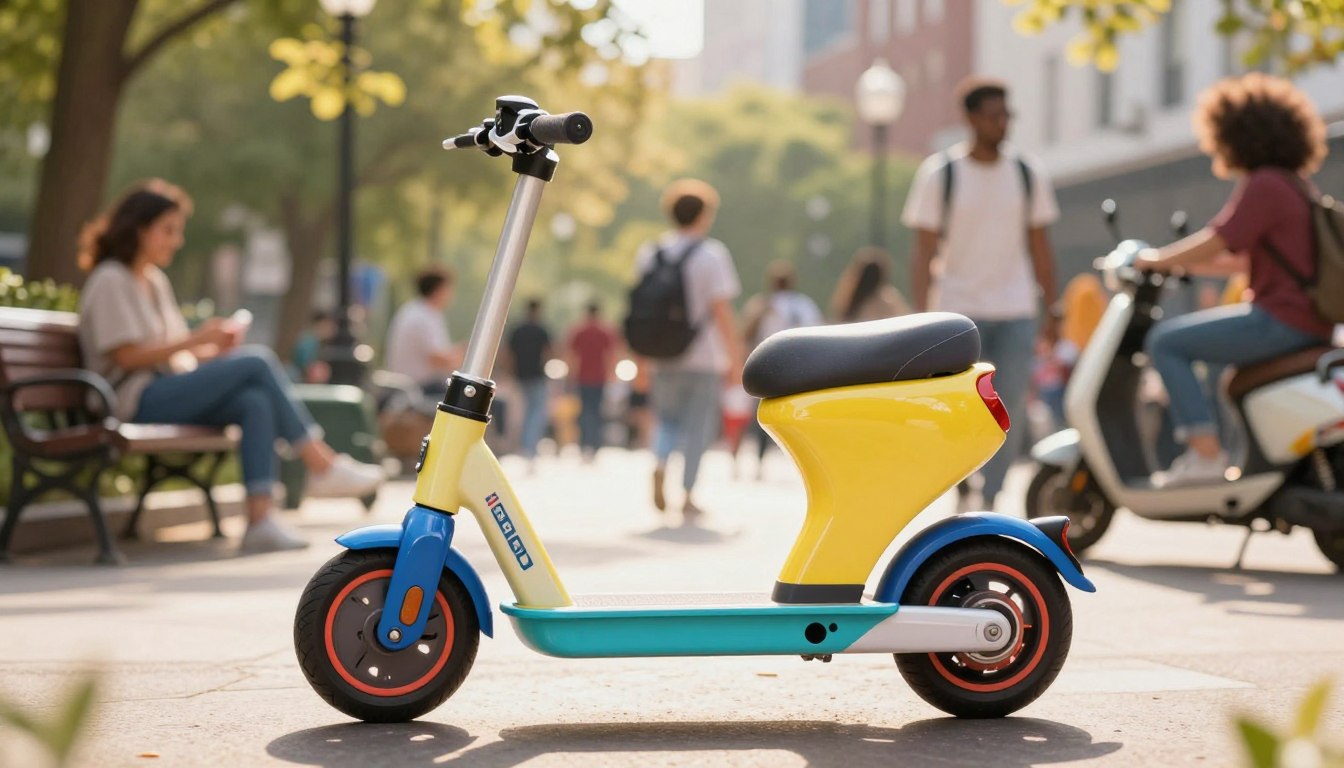
Can a neighborhood cruiser double as the perfect golf course companion—without sacrificing speed or comfort?
Phat scooters blend chunky, fat tire styling with simple controls. These models use a twist grip to engage a rear hub motor and can be ridden seated or standing. That mix makes them popular for weekend rides and for getting around a golf course.
The guide focuses on top models, key specs, and buying tips for different rider needs. It highlights real decision factors: top speed, range, battery charge time, comfort, and safety features. Readers will learn which models are purpose-built for golf use with speed-limited modes and which suit road or bike-lane riding.
Built in Phoenix by a small company co-founded by Peter Johnson, these scooters aim to balance fun and function. Use the reviews and side-by-side comparisons to match a model to your typical ride.
Key Takeaways
- Phat scooters combine fat tire stability with easy twist-grip throttle control.
- Some models are tailored for golf course use; others are better for road riding.
- Compare top speed, range, charge time, comfort, and safety when shopping.
- Made in Phoenix—brand background adds trust for U.S. buyers.
- See a detailed fat tire scooter overview and specs at fat tire scooter.
Top picks for fat tire electric scooter riding in the US
This shortlist highlights top fat-tire models that work best for road cruising or for use on a golf course.
What makes a phat scooter different on the road and on the golf course
Fat tire builds use wide tires and a low, stable stance. That design favors comfort and confidence over lightweight portability.
On pavement, a fat tire electric model smooths bumps, tames cracks, and handles uneven paths better than small-wheel commuter scooters. Riders notice steadier steering and a softer ride.
Golf course use focuses on controlled speed, turf impact, and single-rider safety. Course models include lockable speed modes (8, 13, and about 20 mph) so staff and players stay compliant.
- Best for golf: course-mode locking and single-seat design for safety.
- Best for roads: higher top speed and longer range for open paths.
- Care: designed for rain and spray-down cleaning; avoid submersion.
Local rules vary in the United States, so riders should confirm allowed use on public roads and paths. Next, model-by-model comparisons will show speed, range, and sizing to help pick confidently.
Comparing phat scooters by model, speed, and range
This comparison helps shoppers match each model to how far and how fast they plan to ride.
Phat Scooters Sport overview: The Sport pairs a 1,200W rear hub motor with a compact frame. It delivers about a 19.9 mph top speed while fitting tighter storage and smaller riders. Three drive tiers (12 / 21 / 32 km/h) translate to easy cruise, steady path pace, and a higher bike-lane setting.
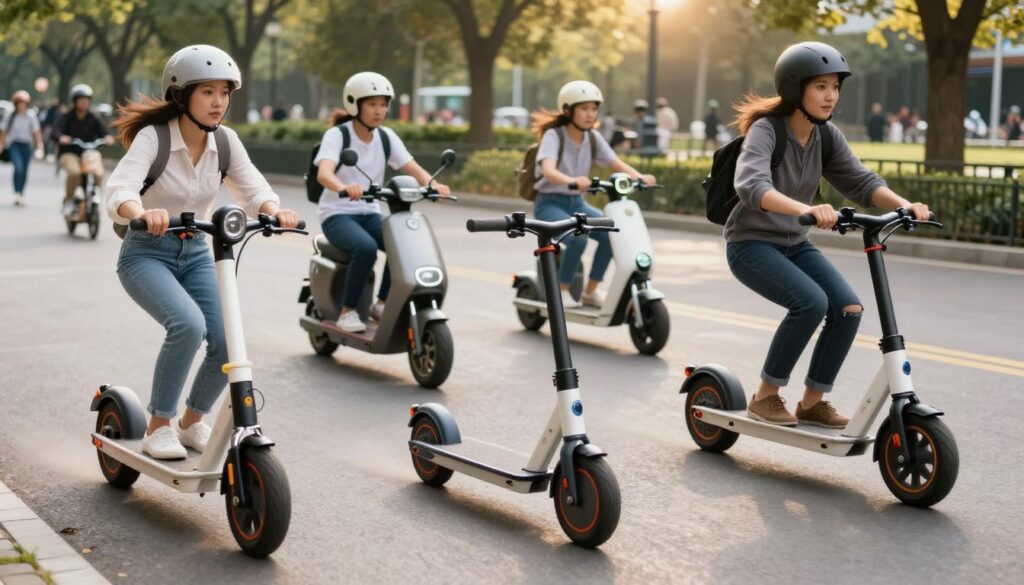
Original vs Sport: fit and handling
The Original is larger (~70 in long, ~128 lb) and feels stable for taller riders. The Sport is ~8 inches shorter and ~20 lb lighter, so it maneuvers better in tight spots and loads easier in a trunk.
Golf HD: course-first design
The Phat Golf Scooter HD prioritizes predictable speed with lockable golf mode (8 / 13 / ~19.8 mph) and single-rider safety. Courses like the locked 13 mph option to protect turf and players.
Real-world range expectations
Expect 30–50 miles per charge depending on rider weight, terrain, and speed choice. Buyers should match typical miles and desired mph to the model that fits their comfort and storage needs.
Performance details that matter: battery life, charge time, terrain, and ride comfort
How a scooter performs on hills, in rain, and over long miles shapes daily ownership.
Battery and charging basics
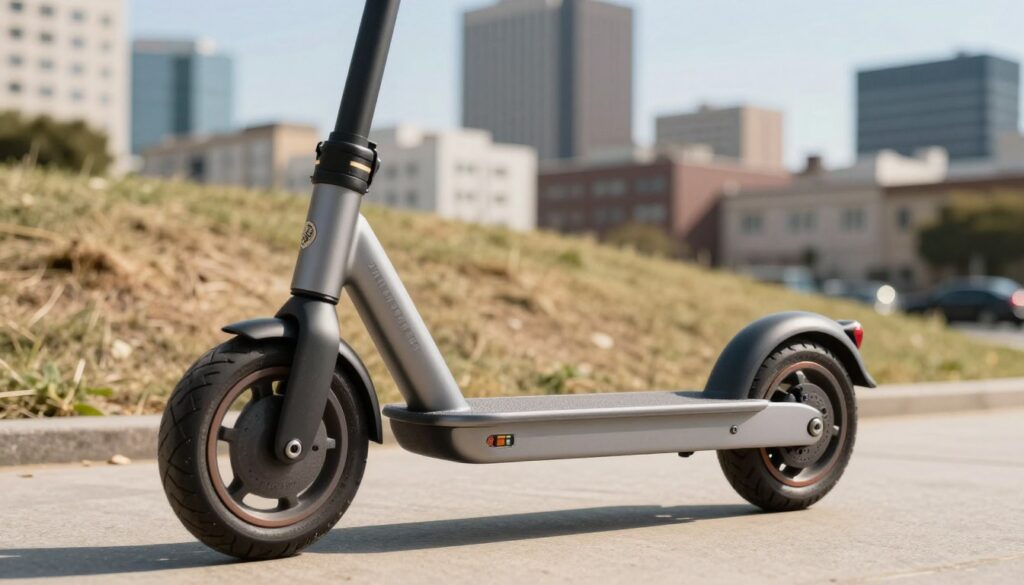
Most models recharge in about 4–6 hours. That means a full overnight charge or a mid-day top-up between rounds. Golf batteries sometimes take the full 6 hours, while removable packs let owners swap and keep riding.
The long-term life is reported at roughly 1,000–1,500 cycles. A cycle means one full charge and discharge. Expect years of use if charging routines avoid deep discharges.
Speed modes and safe settings
- Beach mode: up to 8 mph (about 12 km/h) for low-impact paths.
- Golf mode: capped at 13 mph (~21 km/h) for course-safe use.
- Bike mode: near 20 mph (~32 km/h) for open road riding.
Hills, clearance, and comfort
Wide 18 x 9.5-inch tires and front hydraulic shocks help handle up to a 30% grade. A low-profile battery keeps about 6 inches of ground clearance for curbs and turf transitions.
Practical weight, wet use, and safety
Typical weight is ~140 lb without a bag rack and ~170 lb with one. The limit for a safe rider load is 350 lb.
Wet use: OK in rain and for spray-down cleaning, but not for submersion. Braking systems include hydraulic or ABS disc brakes, plus mirrors, a wheel lock, and a spring-loaded kickstand for parking.
Convenience items like a cup and phone holder, plus run-flat tires, reduce the chance of being stranded on longer rides.
Ready to ride: pricing, warranty, customization, and what to order next
A final checklist helps convert specs and pricing into an actionable order for course or street use.
Buyers should pick a model that fits typical miles and the intended mode: course use favors locked lower speeds and a single seat, while road riders want top speed and range. Add a rack, fenders, and a speaker or deck for club rentals or branding. Expect minor assembly—bolting the handlebars and bag rack—about 20–40 minutes with basic tools.
Price transparency: a listed Phat Golf Scooter example shows $3,349 plus $395 shipping; confirm current totals at checkout. Note the Sport listing carries a 2-year battery warranty; buyers should verify total warranty length, exclusions, and claim steps before purchase.
Clubs can lease (12, 24, or 36 month terms) or buy. Lease programs often require qualified partner status. GPS trackers support round counting and monthly billing; see order and tracking options at order and tracking options. For wide-wheel or fat tire upgrades, review the wide-wheel options.
Finally, check state insurance rules—coverage for theft, damage, or liability can matter. With a clear checklist, buyers and operators can order confidently and get riders on course or street quickly.
FAQ
What makes a fat tire electric scooter different on the road and on the golf course?
A fat tire electric scooter stands out because wide tires improve traction, comfort, and stability on varied surfaces. On roads it soaks up bumps and offers confident cornering; on a golf course it rolls smoothly over turf with less ground disturbance. Models with dedicated Golf mode limit top speed to protect turf and match local course rules. Riders should choose a scooter with appropriate ground clearance, a single-rider design for course etiquette, and a quiet hub motor to avoid disturbing other players.
What should riders expect from the Phatty Sport’s performance specs?
The Phatty Sport is a compact build that pairs a 1,200W rear hub motor with a top speed near 19.9 mph (about 32 km/h). It balances nimble handling with enough power for moderate hills and urban cruising. People who want quick acceleration and a smaller footprint for storage or transport will find this model well suited to daily rides and short commutes.
How do the Phatty Original and Phatty Sport differ, and who is each best for?
The Original is larger and heavier, offering a roomier deck and longer range; the Sport trims size and weight for easier handling and storage. Heavier or taller riders who prioritize range and comfort may prefer the Original. Commuters or riders with limited storage who want a nimble scooter often choose the Sport. Both support fat tire benefits but differ in weight, rack options, and total ride time per charge.
Is there a model designed specifically for golf courses?
Yes. The Golf Scooter HD is tailored for courses with a single-rider design, Golf mode speed limits, and a quieter motor to protect turf and clubhouse tranquility. It includes features like a cup holder, optional rack for gear, and tire profiles that minimize impact on grass while maintaining grip on damp fairways.
What real-world range can riders expect per charge?
Real-world range usually falls between 30 and 50 miles per charge. Actual distance depends on rider weight, terrain, speed mode, and use of accessories. Uphill riding, heavier loads, and aggressive acceleration reduce range; conservative speeds and flat ground extend it. Battery health and ambient temperature also influence cycle lifespan and total miles.
How long does battery charging typically take and what about long-term battery life?
Most batteries reach a full charge in about 4–6 hours with the supplied charger. Long-term life is measured in charge cycles; proper charging habits and storing at moderate temperatures prolong capacity. Riders should follow manufacturer guidelines to maximize cycle life and check warranty terms for coverage periods and conditions.
What speed modes are available and how do mph and km/h equivalents work?
Common modes include Beach mode for relaxed, low-speed cruising; Golf mode for limited speed on turf; and Bike mode for higher-speed commuting. Modes usually display MPH with an equivalent in km/h on digital dashboards. For example, a 20 mph mode equals about 32 km/h. Riders can switch modes to match terrain, safety needs, and local rules.
How well do these scooters handle hills and rough terrain?
Fat tire scooters handle grades up to around 30% when equipped with adequate motor power and torque. Wide tires and higher ground clearance help traverse uneven surfaces, sand, and soft grass. However, steep, sustained climbs will drain the battery faster, so expect reduced range on hilly routes.
Can these scooters be used in wet conditions and how should they be cleaned?
Models are designed for rain and spray-down cleaning but not full submersion. Riders can ride in light rain and should avoid deep puddles. After wet rides, it’s best to dry electrical connectors and wipe down the deck and tires. Regular maintenance prevents corrosion and preserves electrical and braking components.
What are the weight and rider capacity limits?
Typical scooter weight varies by model and options like racks and holders; many fall in a broad range that supports riders up to about 350 lb. Carrying capacity includes rider weight plus any cargo on racks. Check the specific model’s listed gross vehicle weight limit before adding accessories or heavy loads.
What braking and safety features do top models include?
Leading scooters include hydraulic or ABS disc brakes, robust kickstands, mirrors, wheel locks, and bright lighting for visibility. Some have regenerative braking and multiple drive modes. Riders should always wear a helmet, use mirrors and lights in traffic, and test brakes before setting off.
What customization and accessory options are available?
Common accessories include cargo racks, cup holders, phone holders, upgraded seats, and storage bags. Some riders add heavy-duty kickstands, additional lighting, or suspension upgrades for extra comfort. Verify compatibility and how accessories affect weight and range before purchasing.
How much do these scooters generally cost and what warranty coverage is typical?
Pricing varies by model, battery size, and included features; entry-level fat tire electric scooters start lower, while high-end or golf-specific editions cost more. Manufacturers usually offer limited warranties covering motor and battery for a set number of months or miles. Buyers should review warranty length, what’s covered, and authorized service options before ordering.