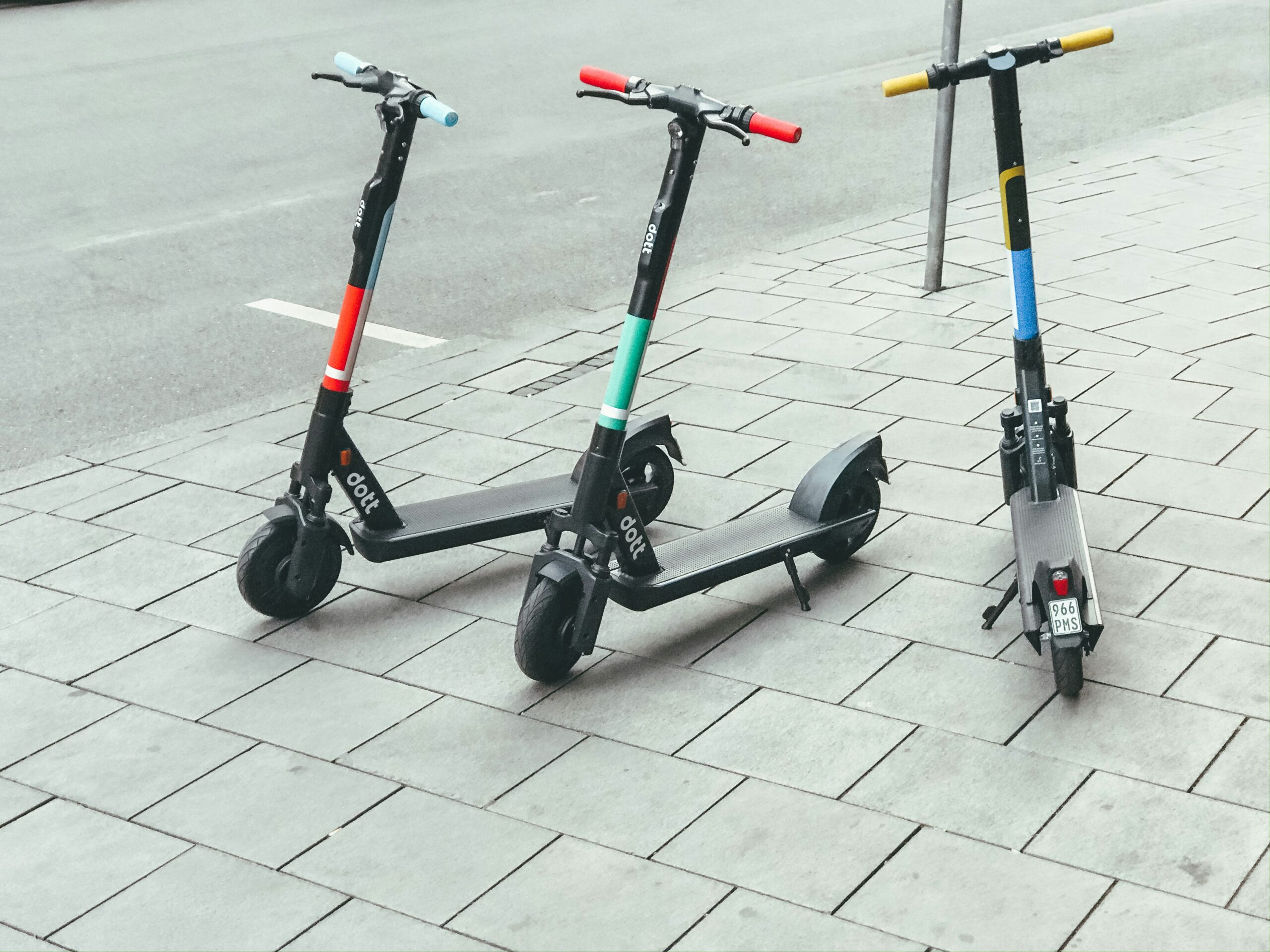

The Ultimate Trike Scooter Guide for Buyers
 PopScooter Team
January 25, 2026 2:28 pm
.
13 min read
PopScooter Team
January 25, 2026 2:28 pm
.
13 min read
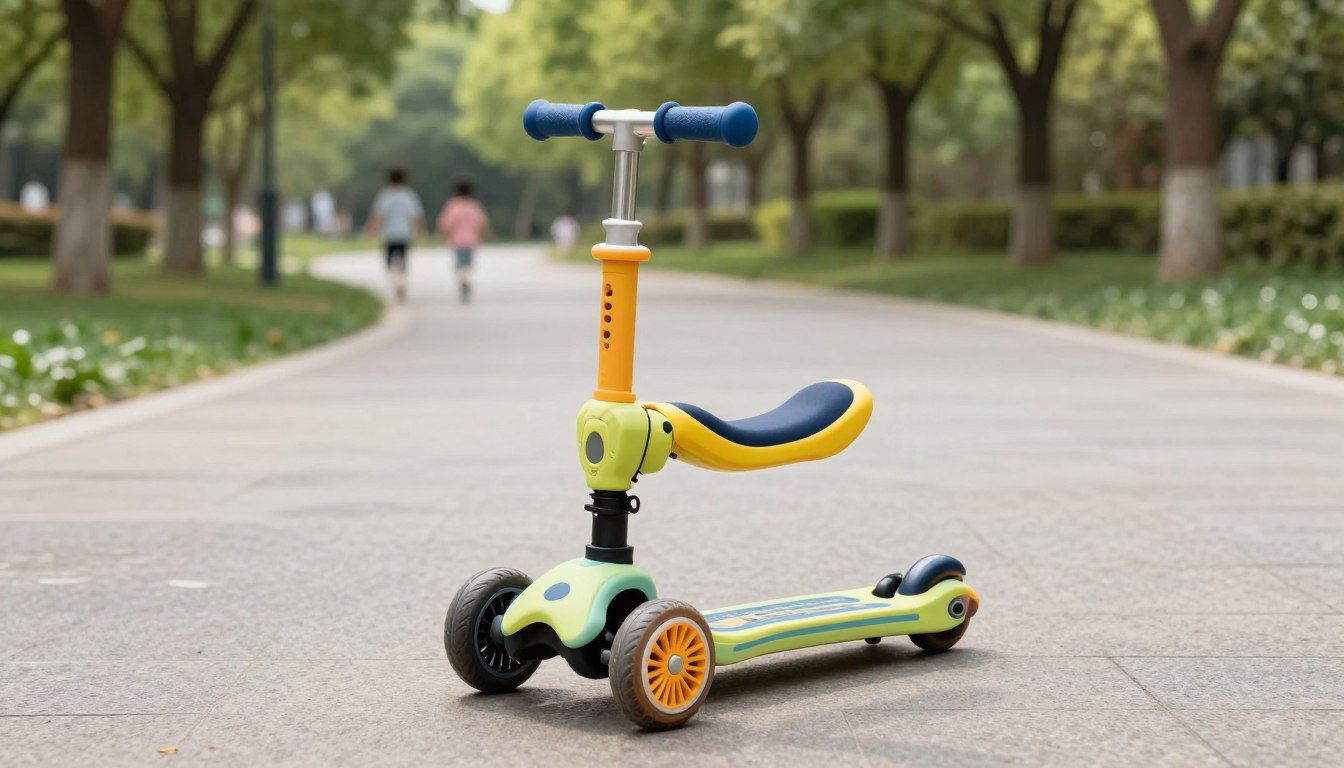
Can one vehicle really balance daily comfort, low cost, and reliable stability better than the rest? This guide answers that question for people who shop in the United States and want a practical riding choice.
They will learn what a trike scooter is and why many compare it to other formats. Buyers often weigh stability, portability, and total cost more than top speed when deciding.
The right fit means matching use to design. Commuters, facility staff, and event teams each need different features. This guide previews the decision path: intended use, model comparisons, battery and range, comfort, braking and safety, and maintenance.
Practical expectations: reviews can help, but consistent specs and parts support usually shape long-term satisfaction for customers. The page aims to be a buyer-ready resource that narrows choices without getting lost in spec sheets.
Key Takeaways
- Focus on stability, portability, and total cost over top speed.
- Match the model to daily use and the rider’s needs.
- Compare battery range, comfort, and braking systems closely.
- Prioritize models with steady parts support and consistent specs.
- Use reviews as a data point, not the sole decision factor.
- This guide helps both personal and business buyers choose wisely.
What a Trike Scooter Is and Who It’s Built For
For riders who want steady balance and simple storage, three-wheel designs offer a clear choice. This format blends the stability of a small vehicle with the compact footprint of personal transport. Triad markets its three-wheel electric platform for adults who need reliable mobility for daily life and work.
Everyday mobility and city transportation for adults
In urban settings, people use these models for short commutes, errands, and campus runs. Removable seating and foldable frames make transport and storage easier.
Recreation and rough-terrain riding needs
Some riders choose three-wheel builds to reduce balance concerns on longer outings. Better stability helps on uneven paths and makes the riding experience more confident.
Commercial fleets and staff mobility across large facilities
Facilities buy these vehicles for hotels, hospitals, campuses, and convention centers. Uptime, consistent handling, and simple training matter more than flashy features.
- Define primary use first: commute, recreation, or operations.
- Match configuration and support plan to that way of riding.
- Consider battery, support, and parts for long-term transportation needs.
Top Models and Options Buyers Compare Today
A quick product map helps buyers separate commuter models from patrol-grade and enclosed passenger options.
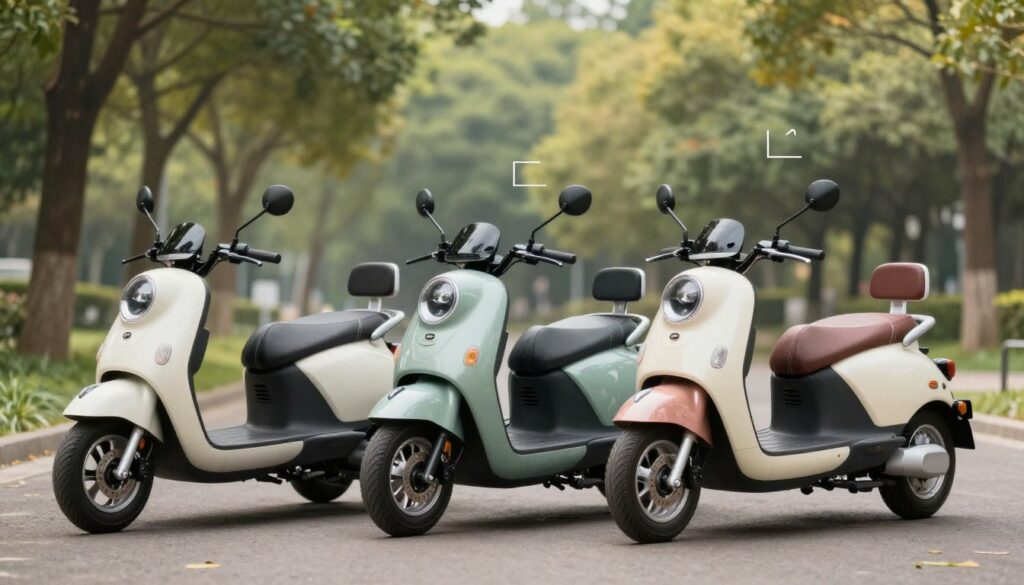
Triad three-wheel electric lineup serves both adults and business buyers. Triad sells direct, supports customization, and handles fleet orders. Key named models include the 750 AWD and the rear-wheel-drive 1000W Quantum Dual. These options balance range, load, and simple parts support.
Trikke POSITRON for patrol and operations
The Trikke POSITRON targets patrol, security, and event teams. Its electric all-wheel drive handles curbs, steep hills, and mixed terrain. That makes it a strong choice for teams needing maneuverability and coverage.
Pushpak 8000: enclosed three-passenger format
The Pushpak 8000 is a different product class. It offers an enclosed cabin and seats three passengers. Buyers who want weather protection and higher passenger capacity should compare this model to single-rider scooters and trikes.
- Quick match: commuter single-rider, patrol-grade AWD, or enclosed passenger?
- Look for: direct-manufacturer buying, customization, and fleet support.
- Spot models: 750 AWD and Quantum Dual when checking spec sheets.
Battery, Range, and Power: What Drives Real-World Performance
Everyday reliability starts with a modern battery and a smart management system. Buyers should evaluate capacity, realistic range, and charging habits first. These factors often shape satisfaction more than any single top speed number.
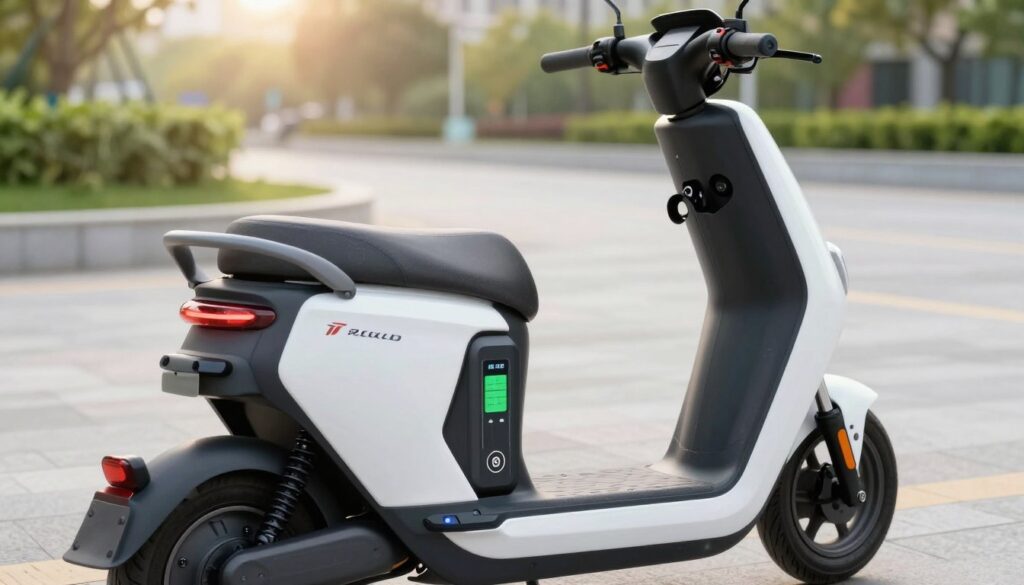
Triad’s 16Ah pack and integrated BMS
Triad’s 16Ah battery pairs with a fully integrated Battery Management System (BMS). The BMS handles cell balancing, overcharge and over-discharge prevention, and thermal management. Diagnostic connectivity and ground-fault detection help technicians spot issues sooner.
Cycle life and long-term value
Triad rates the pack for up to 1200 charging cycles. Practically, that means riders who charge daily still see several years of useful life before capacity falls noticeably.
Why 48V matters and component matching
Triad emphasizes 48V component design to keep continuity and heat in check. Mismatched 12V or 24V parts forced to run at higher voltages can overheat, short, and wear faster. Proper voltage matching protects controllers, wiring, and the battery pack.
Power delivery, terrain, and drivetrain
Motor output affects how a ride climbs curbs, handles hills, and moves on rough paths. Rear-wheel-drive models like the 1000W Quantum Dual deliver a different traction feel than AWD options such as the 750 AWD.
- Check real-world range estimates, not just ideal numbers.
- Prefer packs with robust BMS protections for daily safety.
- Match drivetrain and power to the intended use case for best performance.
Ride Comfort and Handling Features That Matter in the U.S.
A practical ride blends seat comfort, tire choice, and folding ease for daily use across U.S. streets. Buyers face mixed pavement, curbs, and crowded lots, so small design choices shape real-world satisfaction.

Removable seats and foldable designs for transport and storage
Removable seats add real value on longer trips. They let riders swap to a lighter setup for short errands and return full seating for longer rides. This flexibility improves comfort and reduces storage hassle.
Foldable frames help in apartments, RV bays, or work closets. Folding cuts storage space and lowers friction in daily ownership. It also simplifies loading into a rear cargo area.
Pneumatic tires and stability benefits of a three-wheel setup
Pneumatic, air-filled tires smooth cracks and seams better than hard wheels. They absorb small shocks and improve traction on uneven surfaces. That boosts perceived performance when shifting between sidewalks and parking lots.
Three-wheel layouts add low-speed confidence for starts, stops, and tight turns. For riders up to 350 lbs, this stability supports long-term durability and a more secure ride.
- Key features: removable seating, foldable frame, air tires.
- Why it matters: better comfort, control, and everyday performance in the city.
Brakes, Safety, and Confidence on Busy Streets and Campuses
Confidence on busy campus paths grows when braking, steering, and throttle feel balanced. Riders should confirm the stopping system before buying. That matters most when pedestrians, crosswalks, and crowded corridors appear without warning.

Disc brakes and control basics for safer stops
Heavy-duty disc brakes give a consistent feel and shorter stopping distances. Triad highlights this as a priority because steady braking reduces surprises during daily use.
Buyers should test modulation — the gradual response from lever to wheel. Balanced brakes, steering, and throttle make stopping predictable and improve overall performance and ride experience.
Visibility and positioning advantages for professional teams
Height matters. Trikke testimonials note riders sit about a foot higher, which improves sightlines in crowds. That extra elevation helps patrol and event teams spot hazards earlier and be seen by others.
- Confirm disc brakes and lever modulation for city riding.
- Match power and speed settings to pedestrian areas.
- Choose a model that aids visibility if used for patrol or operations.
Maintenance, Parts, and Keeping a Trike Running Year After Year
A short weekly routine and a few monthly checks keep most problems from growing. Regular maintenance preserves safety and helps owners avoid surprise downtime. Small tasks prevent bigger repairs and keep the vehicle dependable through the year.
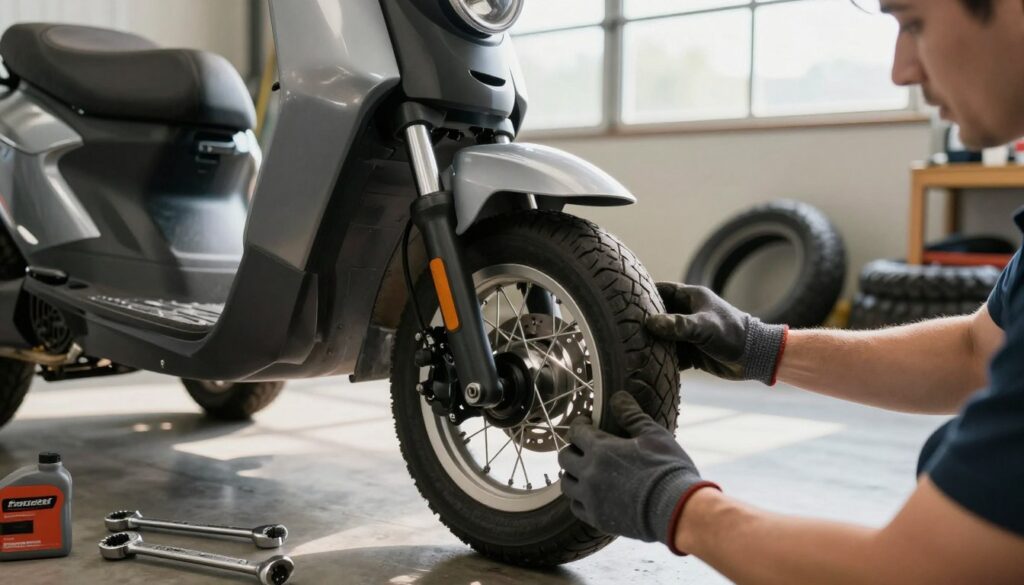
Routine checks: tires, brakes, and electrical components
Check tire pressure and tread weekly. Low pressure cuts range and affects handling.
Test brake response before each ride. Prompt attention to noisy or spongy brakes improves safety.
Inspect connectors and visible wiring monthly. Tight, clean electrical connections reduce faults and keep lights and controls reliable.
Battery care and diagnostics to protect range over time
Follow manufacturer battery care: charge regularly, avoid deep discharges, and store at moderate temperatures.
Use diagnostic tools where available. Triad’s diagnostic connectivity helps spot early battery decline and keeps the pack healthy for longer.
Planning for parts support and minimizing downtime
Confirm parts availability and policies before buying. A “Worry-Free parts policy” or strong local support cuts repair time.
- Keep a small spare-parts kit for common wear items.
- Schedule periodic professional service to catch issues early.
- For fleet buyers, plan inventory to limit operational gaps.
Quick tip: owners who learn basic maintenance tasks spend less on service and keep their scooters and bikes on the road. For a deeper look at longevity best practices, see electric trike longevity.
Buying for Business: Wholesale, Customization, and Fleet Support
Businesses buying fleet equipment need clear service, parts access, and consistent performance. Triad sells direct to commercial customers and supports orders from a single unit up to fifty. That direct channel gives clear accountability, program pricing, and tailored customization paths.

Direct-manufacturer advantages for procurement
Single-unit or multi-unit buyers get defined lead times, documented warranties, and easier customization. Contracts often include faster replacement parts and prioritized technical support during business hours (Mon-Fri 10:00 AM-5:00 PM EST).
Where fleets add value
Common use cases include security teams, hospitals, hotels, college campuses, and convention centers. These operations need predictable uptime, consistent performance, and fast access to spare parts more than cosmetic features.
- Plan storage, charging locations, and routine training before deployment.
- Set rider policies and maintenance schedules to reduce downtime.
- Call Triad for commercial quotes and planning at 855-648-7423 during U.S. business hours.
For local procurement comparisons and dealer options, see local Vespa dealers as a reference point for service expectations and logistics.
Finding the Right Fit and Moving Forward With Confidence
Buyers find the best fit when they base decisions on real needs, not shiny specs.
Start with a simple checklist: define primary use, confirm realistic range, verify safety systems, and match power delivery to terrain and rider weight.
Compare total cost, not just sticker price — include expected maintenance, parts availability, and service time in your plan.
Read reviews, but weigh them against objective criteria like storage limits, charging, and day-to-day experience.
For patrol or event teams, request a demo of the POSITRON. For custom orders or fleet scales, contact Triad (Mon–Fri 10:00 AM–5:00 PM EST) to discuss configuration and support.
When ready, document accessories, charging, and policies before ordering, and see this beginner guide for a practical start: e-trike beginner’s guide.
FAQ
What is a three-wheel mobility vehicle and who is it best suited for?
It is a stable, low-speed electric vehicle designed for adults who need everyday mobility in cities, campuses, and large facilities. It also suits recreational riders who want comfort on mixed surfaces and businesses that need easy staff transport or security patrols. Manufacturers like Triad and Trikke offer models aimed at different user needs.
How do models for business use differ from consumer models?
Business models prioritize durability, customization, and fleet support. They often include heavier-duty components, integrated telematics for tracking, and options for branding or enclosed cabins for multi-passenger use. These machines reduce on-site travel time for hotels, hospitals, and convention centers while offering lower maintenance costs than small cars.
What should buyers check about battery, range, and power?
Look for a robust battery pack with a quality Battery Management System (BMS). Key specs include amp-hour rating, cycle life (up to 1200 cycles is strong), and a voltage architecture like 48V that matches motors and controllers to avoid overheating. Real-world range depends on load, terrain, and riding style.
How long do batteries typically last and how can owners extend lifespan?
High-quality packs can last several years if properly cared for. To extend life, follow charging guidelines, avoid full deep discharges, store at moderate charge in extreme temperatures, and run periodic diagnostics. Regular BMS checks help detect cell imbalance early.
What braking and safety features are most important for urban use?
Reliable stopping power from hydraulic or mechanical disc brakes is essential. Additional safety includes good lighting, reflectors, and ergonomic controls. For professional teams, visibility options and stable three-wheel geometry add confidence on busy streets and campuses.
How comfortable and practical are these vehicles for daily use?
Comfort features include pneumatic tires, adjustable or removable seats, and foldable frames for storage or transport. Three-wheel stability helps passengers feel secure while loading cargo or navigating curbs. Suspension and seat cushioning influence ride quality on rough paths.
What routine maintenance is required to keep one running year after year?
Regular checks should cover tire pressure and tread, brake pads and cables, electrical connections, and firmware or BMS updates. Keep contacts clean and inspect fasteners. A basic preventive schedule and access to replacement parts minimize downtime.
How can fleet managers plan for parts support and minimize downtime?
Buy from manufacturers or dealers that offer spare parts kits and scheduled service plans. Stock common wear items like brake pads and tires, maintain a relationship with authorized technicians, and consider on-site training so staff can handle minor repairs quickly.
Are enclosed cabin multi-passenger models practical for short urban runs?
Yes. Enclosed cabin models—like three-passenger designs—provide weather protection and safer passenger transport for short trips in busy areas. They work well for campus shuttles, resort shuttles, and last-mile shuttle services with faster turnarounds than cars.
What performance should buyers expect on hills and mixed terrain?
Performance varies by motor output and vehicle weight. Look for rated motor power and torque figures matched to intended use. Heavier loads and steep grades reduce range and speed; higher-voltage systems and better cooling improve sustained performance on hills and rough surfaces.
How do safety regulations affect purchasing decisions for business use?
Local regulations may dictate speed limits, lighting, and registration for certain public areas. For commercial operations, compliance with workplace safety standards and insurance requirements matters. Buyers should confirm legal use cases with local authorities before deployment.
What warranty and after-sales support should customers expect?
Good warranties cover the battery, motor, and frame for a specific period or mileage. After-sales support should include parts availability, service centers, and clear procedures for warranty claims. Direct manufacturer channels often offer stronger fleet support and training options.
How do buyers choose between different models on the market today?
Compare range, payload, battery life, and available accessories. Consider use case—personal city mobility, patrol, or passenger shuttle—and evaluate dealer support and parts availability. Test rides and demos help confirm ride comfort and handling preferences.
Can these vehicles operate in light off-road or rough-terrain conditions?
Some models with pneumatic tires, reinforced frames, and higher-torque motors handle light off-road paths and park trails. Buyers should verify ground clearance, suspension, and tire type to ensure suitability for mixed surfaces.
What role does weight capacity and payload play in selection?
Payload affects range, braking distance, and stability. Choose a vehicle with a rated capacity that exceeds typical loads, especially for commercial use. Overloading reduces component life and increases maintenance needs.
How can customers evaluate long-term value when comparing products?
Assess total cost of ownership: purchase price, expected battery replacement, parts and service, warranty terms, and resale value. Reliable brands with strong dealer networks often offer better long-term value through lower downtime and predictable maintenance costs.