
Aovo Pro Electric Scooter Reviews and Features
 PopScooter Team
December 14, 2025 1:25 pm
.
19 min read
PopScooter Team
December 14, 2025 1:25 pm
.
19 min read
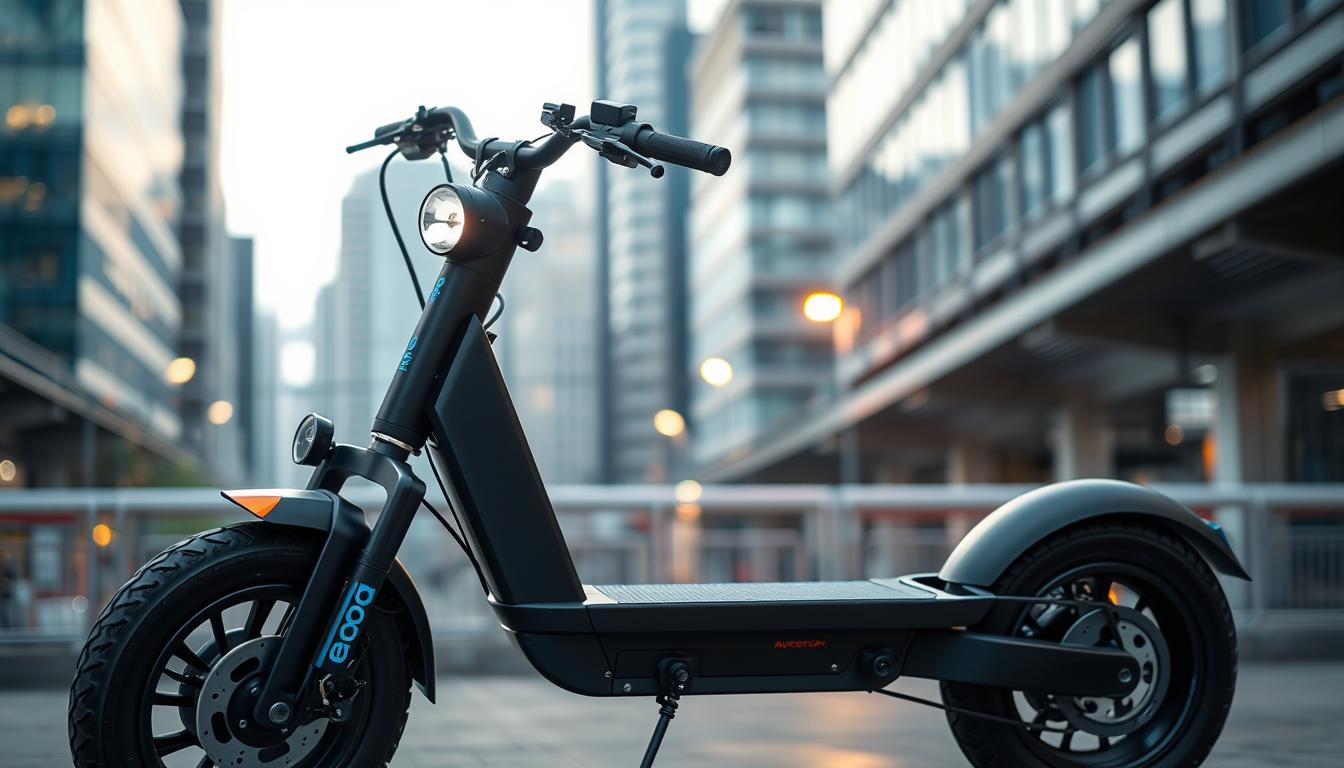
Can a budget-friendly model really match the daily needs of a city commuter?
The review walks readers through essential facts and clear expectations. It covers motor power, app-limited vs. tested speeds, and battery life in plain terms.
Key highlights include portability, low maintenance, and where comfort may be compromised by solid tires and no suspension.
The piece explains practical features like Bluetooth locking, cruise control, and rear disc braking. It also notes typical U.S. price ranges and what buyers found on major marketplaces.
By the end, readers will have the facts to weigh value, durability, and after-sales trust. The goal is a clear verdict on whether this product fits a commuter’s priorities.
Why the Aovo Pro electric scooter is on so many shortlists
What pushed this model into so many buyer carts was a simple mix: useful features at a low price.
The product promised commuter-ready specs—like a 350W hub motor, app control, three speed modes, and cruise control—at a noticeably lower cost than many rivals.
Lightweight design and foldability made it easy to carry up stairs or toss in a car trunk, which mattered to apartment dwellers and transit riders.
IP65 water protection claims and optional accessories, such as a seat on select variants, widened its appeal. Those features mimicked pricier models while keeping the price point attractive.
- Frequent U.S. listings under ~$300 and free returns reduced buyer risk.
- Availability across multiple sellers suggested fast delivery and spare-part access.
- For first-time owners, the familiar Xiaomi-style layout made the learning curve gentler.
In short, it was the balance of features, cost, and convenience that landed this model on many shortlists.
At-a-glance verdict on value, performance, and brand trust
A short verdict shows where value meets compromise for budget-minded commuters.
Value: For the listed price, the aovo pro electric scooter delivered core commuter features—foldability, a 350W front hub motor, and a claimed 20–22 mile range. U.S. charging costs stayed tiny (about $0.06 per full charge), keeping daily running expenses low.
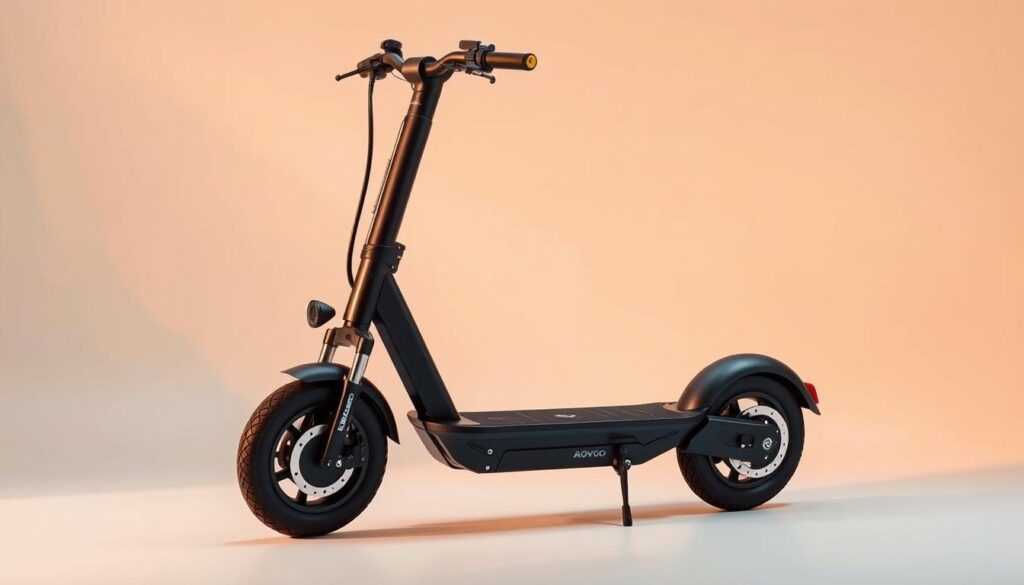
Performance: App limits read about 15.5 mph, but independent tests often hit 20–22 mph on flat ground. Acceleration felt smooth for light riders and city use. Range varied by weight, hills, and temperature.
Trade-offs and trust: Portability and low price were clear wins. Solid tires cut maintenance but reduced comfort. Reviewers flagged slow seller response and poor support, which hurts long-term confidence.
- Good for: budget-first buyers who want basic daily range and compact carry.
- Not ideal for: buyers prioritizing reliable support and plush ride comfort.
Who the Aovo Pro is best for in the United States
This model suits riders who put budget and simple daily use above plush comfort and high-speed thrills.
The aovo pro electric scooter was a clear match for cost-conscious commuters who rode short to moderate distances on mostly smooth pavement. It offered foldability and a manageable carry weight that apartment dwellers and office workers liked.
Key rider profiles:
- City commuters wanting a low upfront price and easy daily utility.
- New riders who benefit from app speed modes, cruise control, and Bluetooth lock features.
- Heavier riders up to the reported 265 lb limit, with the note that hills may reduce performance.
The 8.5-inch solid tires favored predictable range and near-zero maintenance, though they traded off ride cushioning. Riders in drier U.S. climates or those avoiding heavy rain saw the most reliable real-world use.
As a product for bargain hunting, frequent U.S. listings under $300 put this scooter on many shortlists. Those who need strong post-sale support, however, might prefer models with better service records.
Aovo Pro key specs & build details
This section breaks down the core specs and construction so readers know what to expect from everyday use.
Motor, modes, and claimed top speed
The motor centers on a 350W BLDC front hub that delivers steady power and quick takeoffs for city starts. It offers three selectable speed modes—eco, regular, and sport—accessed from the cockpit or app.
Top speed: App limits list 15.5 mph, while some independent tests reported near 20–22 mph in ideal conditions.
Battery, BMS, and range
The battery is a 36V, ~10.5Ah pack (~378Wh) with a smart BMS for over/under-voltage, short-circuit, and thermal protection.
Stated range sits around 20–22 miles, though real-world mileage varies with rider weight, terrain, and temperature.
Size, weight, materials, and protection
The frame uses aluminum alloy to keep the weight near 26.5 lb and the folded size compact for trunks and transit storage. The 8.5-inch solid tires cut maintenance but reduce cushioning.
Ingress protection: An IP65 claim suggests splash resistance, yet owners were advised to avoid heavy rain and deep puddles to protect electronics and prolong life.
- Rear disc brake for primary stopping power
- Deck and stem sized for typical commuters
- Low-maintenance build aimed at easy daily use
Performance on U.S. streets: speed, range, and hills
Testing on urban routes revealed the true trade-offs between top speed and lasting range.
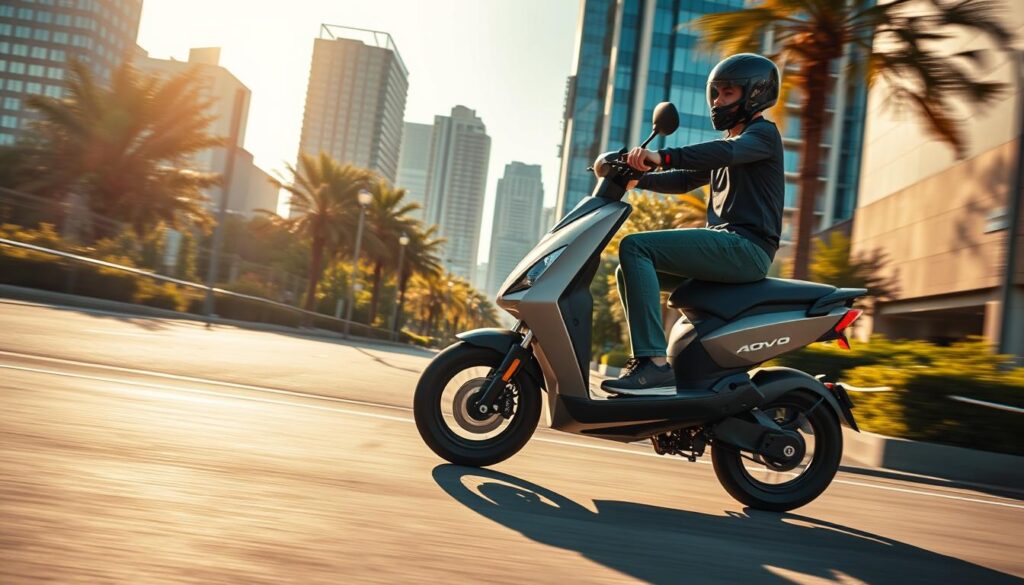
Tested speeds vs. app-limited speeds
In many rides the unit obeyed the app’s 15.5 mph limit. Still, a few testers reported bursts near 20–22 mph under light load and flat roads.
Range results and what affects real mileage
The product claimed about 20–22 miles, yet third-party runs often landed between 16–21 miles. Wind, stop-and-go city traffic, and sustained high speeds all cut range.
Battery heat and cold reduced output. Riders found that moderate speeds and smooth throttle use helped extend distance.
Climbing ability and rider weight impact
The 350W motor favored smooth starts and steady urban cruising over hard acceleration. Hills around 16–20° were managed, but steeper grades slowed heavier riders.
- Heavier riders near 245–265 lb saw more voltage sag on climbs.
- For best results, keep mixed traffic rides at modest speeds to save power and preserve range.
Portability and daily carry
A compact folded footprint and light weight can turn a good ride into a practical daily tool.
The aovo pro proved easy to lift and stow. It weighed about 26.5 lb and folded to roughly 42 x 16.9 x 20.8 in, so trunks and commuter seats accepted it without fuss.
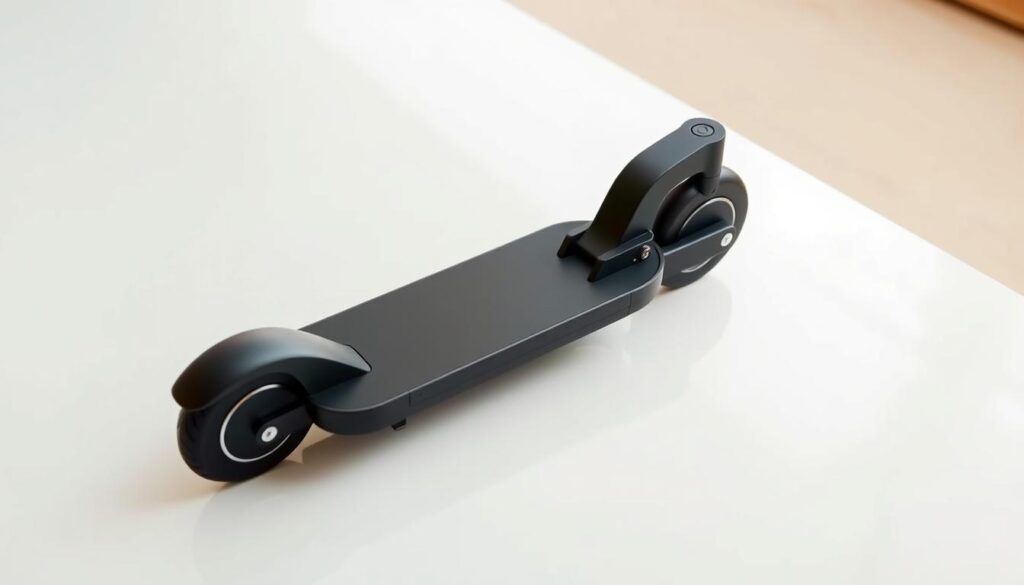
Everyday handling stood out: a simple stem latch folded the unit fast. The kickstand held it upright during quick stops. Balance and the center of gravity made carrying feel natural rather than awkward.
- Lightweight build made short stair carries manageable for most adults.
- Folded size fit compact car trunks and many train seats.
- Minimal snag points reduced catches on clothing or doorways.
Riders found the electric scooter handy for mixed commutes. The narrow deck was a trade-off for portability, and solid tires kept flats from ruining a commute. Overall, the product delivered a grab-and-go feel suited to tight schedules and shared spaces.
Battery & charging: what riders should expect
Battery behavior often defines a commuter scooter’s real daily range and reliability.
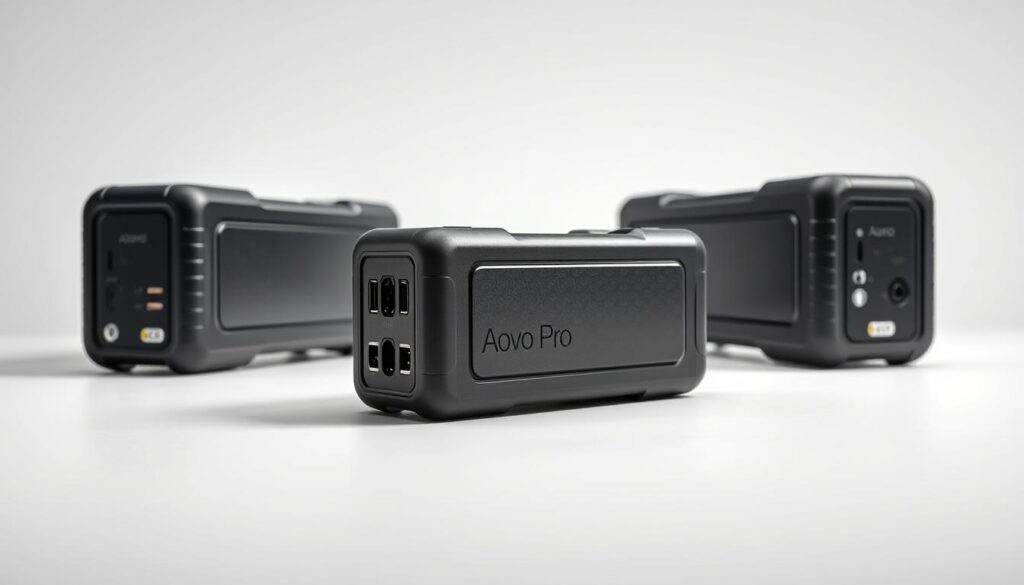
The pack is a ~36V, ~10.5Ah unit (about 378Wh) that suits short-to-moderate urban routes. Its capacity balances weight and usable miles for typical U.S. commutes.
Pack features and protections
A smart BMS guards against over/under-voltage, short circuits, and thermal issues. That protection helps the product stay safe over many charge cycles and gives riders more predictable performance.
Charging time, cost, and care
Full charging from near empty takes about five hours, which fits overnight or workday top-offs. In the U.S., a full charge costs roughly $0.06 — a tiny operating expense.
- Avoid deep discharges and store the battery around mid-charge for longer life.
- Charge on a dry, stable surface and inspect the cable regularly to reduce risk.
- After hard climbs or fast runs, let the pack cool before plugging in to protect cells.
Overall, the aovo pro electric scooter offers a simple, predictable charging routine. Riders who top off between legs will get the most consistent range from this scooter.
Braking, tires, and ride comfort
Daily riding comfort depends on brake feedback, tire firmness, and small fixes riders make.
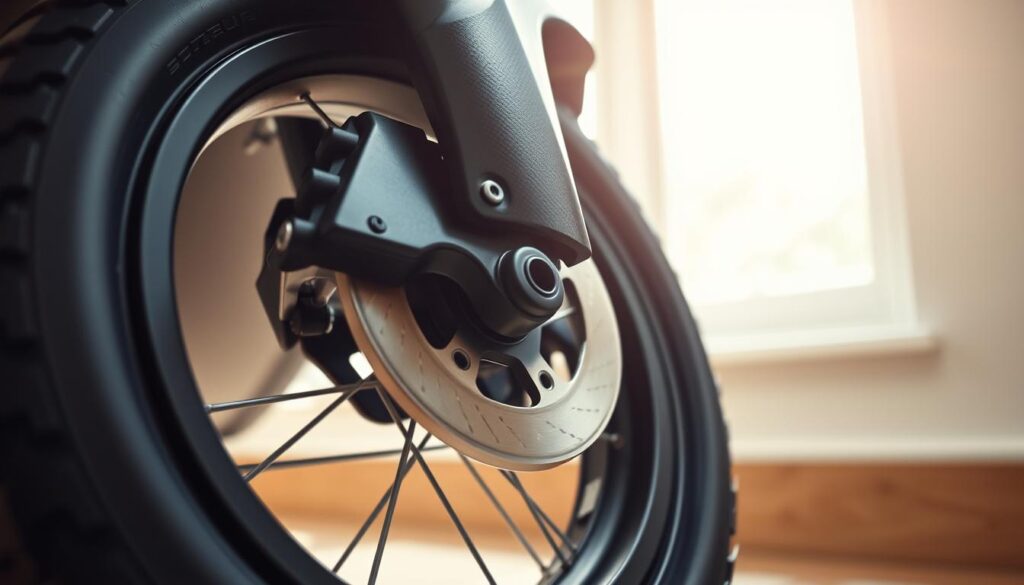
Rear disc behavior and stopping distance
The rear disc is driven from the left lever and gives a steady feel when adjusted correctly. Riders reported typical stopping runs of about 6–7 meters from top speed, so leaving space in traffic helps.
Keep an eye on pad wear and rotor alignment. Proper cable tension and occasional tweaks kept the brake predictable over many rides.
8.5-inch solid tires vs a pneumatic feel
The 8.5-inch solid tires cut flats and maintenance, which matched a low-cost price and daily reliability. They feel firmer than air-filled tires and pass more vibration through the deck on rough pavement.
For many commuters, the trade-off of less plushness was worth avoiding tube repairs and roadside stops.
Fender noise, rattle points, and simple fixes
Some units showed a rear fender rattle. A common fix was adding a small rear-fender bracket to tighten the mount. That one fix removed noise with minimal tools.
Overall, the setup favors low maintenance and predictable control in city use. The aovo pro product balanced that aim against ride cushioning, and it suited riders who value uptime over luxury.
App, cockpit, and LED visibility
The cockpit combines simple physical controls with a smartphone link to give riders clear, on-the-go feedback.
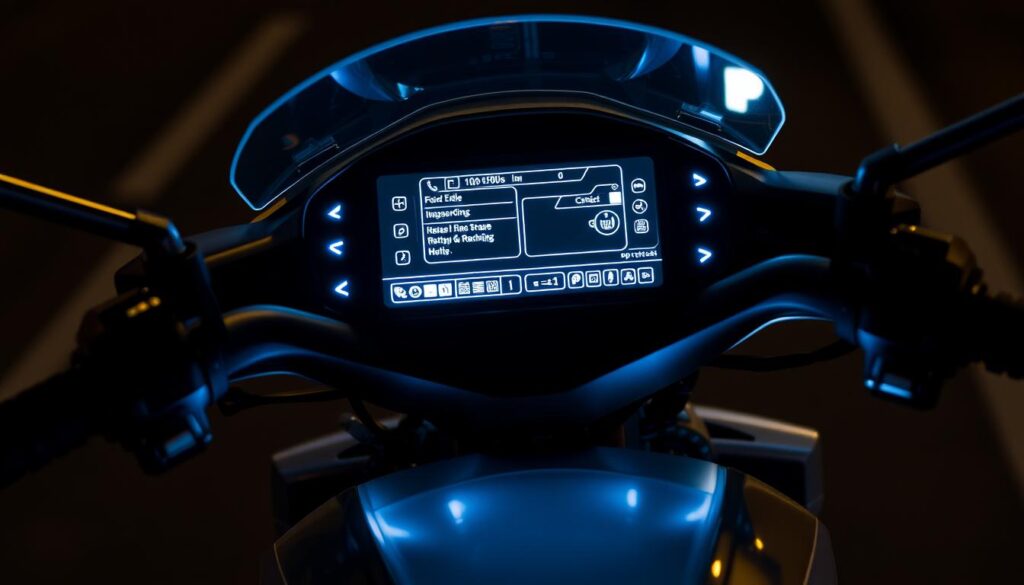
Display readouts, controls, and LED lighting
The center LCD shows speed, battery, selected mode, and status icons at a glance. Riders use a right thumb throttle, a left-hand brake lever, and a bell for quick alerts.
LED headlight and tail improve low-light visibility. Riders aim the beam to avoid glare while keeping the road lit. Understanding LED color cues helps at night.
Bluetooth app features: modes, cruise, lock, limits
Through Bluetooth the app allows mode selection, cruise control, motor lock, and speed limits. Advanced settings tune acceleration and brake response to match rider preference.
The aovo pro mobile link made setup feel like a premium option on a budget product. Many owners liked the safety of an app lock, but they still used a physical lock when parked.
Firmware updates and the risks of speed hacks
Official firmware updates improved stability at times. Unofficial speed hacks carried real risks: glitches, voided warranty, and reduced reliability.
- Display gives instant status for speed and battery.
- Simple controls reduce learning time for new riders.
- LED brightness and color help nighttime confidence.
Water protection & durability notes
An IP65 label sounds reassuring, but riders should treat wet-weather claims with caution. For budget models this single rating often masks weak seals, basic grommets, and exposed connectors. Practical care extends life more than trust in a sticker.
IP65 claim vs. budget realities
The aovo pro electric scooter carried an IP65 claim that meant splash resistance, not submersion. Reviewers warned that standing water and heavy rain strain seals and may invite corrosion. Solid tires helped avoid flats on wet streets but did not improve wet traction or comfort.
Care tips after rain or puddles
After a wet ride, dry the deck, charging port area, and kickstand to lower corrosion risk. Avoid spraying seams or the charging inlet when cleaning.
- Store the product in a dry spot after use.
- Use a silicone plug for the charge port to boost resistance.
- Ride slower, leave extra braking distance, and check fender mounts and grommets periodically.
Mindful maintenance protects the battery and electronics and often outperforms reliance on a single protection rating.
Aovo Pro vs Xiaomi M365: what’s really different
Comparing these models reveals how small design choices shape daily comfort and running costs.
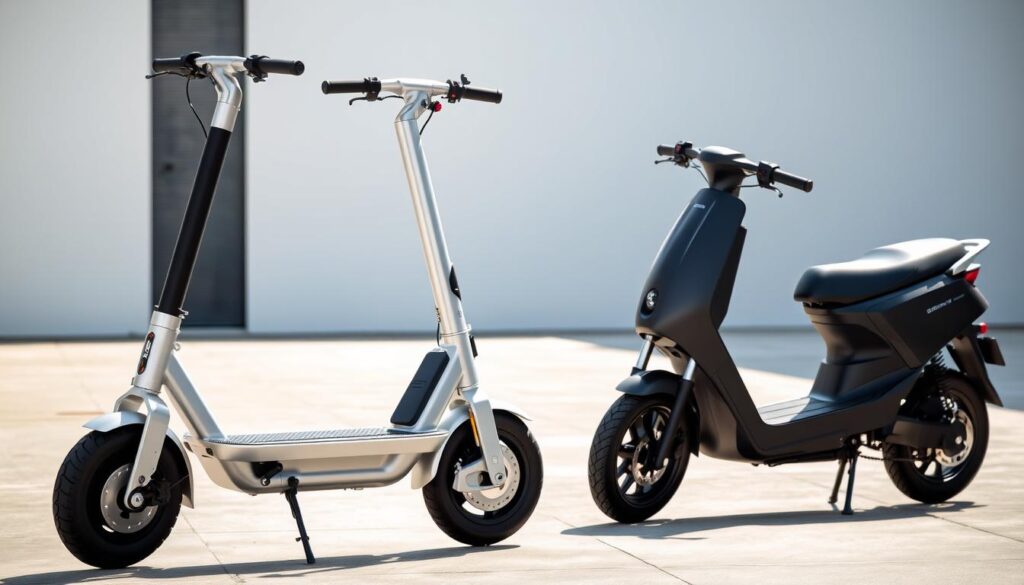
Ride quality, tires, and comfort over time
The biggest, most obvious gap was tire design. The aovo pro used 8.5-inch solid rubber that cut flats and maintenance.
By contrast, the Xiaomi M365 relied on pneumatic tires that absorbed bumps better. Over weeks, riders reported less vibration fatigue on the air-tire setup.
Result: the M365 generally felt smoother on rough pavement, while the solid-tire product traded comfort for near-zero upkeep.
Shared design language, parts fit, and compatibility
Both models shared frame geometry, cockpit layout, and the same folding mechanism. That made many accessories interchangeable.
- Phone mounts, fenders, and bags often fit without modification.
- Replacement parts availability favored Xiaomi, easing long-term fixes.
- Minor color accents and trim differed, but the silhouette stayed similar.
For buyers weighing price against reputation, the choice came down to whether they valued a smoother ride and broader parts support or a lower initial cost and lower maintenance.
Aovo Pro vs Xiaomi M365 Pro: power vs comfort
When riders lined the two models up, the trade-off became clear: raw throttle vs. ride polish.
Aovo Pro used a 350W motor that felt snappier off the line. The M365 Pro leaned on a 300W setup and a smoother ride thanks to pneumatic tires.
Real-world top speeds and range overlapped around the low-20-mile mark. Terrain and rider weight mattered more than the listed numbers.
- Acceleration: the higher motor power gave quicker starts in city traffic.
- Comfort: Xiaomi’s pneumatic tires softened bumps for longer rides.
- Maintenance: solid tires gave the Aovo model low upkeep, while Xiaomi offered easier parts and support.
On hills the extra power showed a small advantage, but neither bike was a steep-climb specialist. Price-wise, the Aovo Pro often undercut Xiaomi in U.S. listings, which swayed budget-minded buyers.
For a deeper dive into ownership and long-term notes, see the detailed Aovo Pro review. In short, pick power and savings or choose comfort and a more polished commute experience.
Price, deals, and where to buy in the U.S.
Price tags varied widely by seller, configuration, and whether extras like seats or bigger batteries were included.
U.S. listings commonly showed the aovo pro electric scooter near $187–$359 for new units. Many sellers offered free shipping and easy returns, and occasional coupons pushed select models below $200.
What buyers saw in market listings:
- Clusters of new-unit pricing in the sub-$300 to mid-$300s range.
- Variants labeled with 500W motors, 10″ tires, dual suspension, seats, or 14.5Ah packs for longer range.
- Top-rated sellers like “aovopro_direct_us” and “scooter_ebike_global” often had stock and fast U.S. shipping.
What to verify before clicking buy:
- Confirm motor and battery specs match the listing you want.
- Check tire type (solid vs pneumatic) and whether dual suspension or a seat is actually included.
- Read seller ratings, return policy, and U.S. warehouse location for faster support.
Comparing the final total cost, taxes, and recent buyer feedback gave the clearest picture of a true deal. Small checks up front saved time and extra purchases after delivery.
Safety, accessories, and must-have gear
Simple upgrades and the right gear turn daily trips into safer commutes.
Riders should start with a certified commuter helmet. A helmet is the single best addition for protection at typical urban speeds.
Visibility and theft deterrents matter. The stock LED helps, but adding a bright clip-on front light and reflective accents improves night-time safety. A sturdy U-lock or chain lock is vital because the app lock only disables the motor and won’t stop someone from lifting the product.
- Check the rear disc brake regularly for pad wear and cable stretch.
- Add a rear fender bracket to stop rattle and secure the mudguard on rough streets.
- Use gloves, knee pads, and high-visibility outerwear for extra comfort and safety.
- Compatibility with Xiaomi M365 accessories makes storage and phone mounts easy to fit.
- Budget a little beyond the listed price for quality gear—good locks and lights pay off.
Finally, a bell on the cockpit supports polite lane sharing with cyclists and pedestrians. For wet-weather rides, waterproof covers and extra reflectors increase confidence and control.
Warranty, returns, and support: what owners report
Warranty fine print and real-world service stories often steer buyers more than specs.
Many listings advertised two-year coverage (with a six-month battery clause) and 30-day returns. In practice, user reports showed wide variation in response times and claim outcomes.
Common owner notes:
- Frequent dissatisfaction with seller responsiveness and after-sales support.
- Some U.S. sellers handled returns smoothly, but results varied by vendor.
- Buying through platforms with strong buyer protection reduced risk for those who later needed fixes.
Buyers who kept order numbers, delivery photos, and early defect notes found it easier to file claims. Community forums and review sites gave timely snapshots of which sellers were reliable.
For shoppers weighing low price against potential headaches, the safer path often meant choosing a vendor with a proven service history. Ultimately, post-sale support was a pivotal factor when deciding whether to own this product—including whether the aovo pro electric scooter or a different scooter made sense for a U.S. commuter.
aovo pro electric scooter: pros and cons that matter
This short guide highlights the real advantages commuters saw and the trade-offs they should check before buying.
Standout advantages for commuters
Portability: At about 26.5 lb and with a fast fold, the unit is easy to carry and store in tight urban spaces.
Low maintenance: 8.5-inch solid tires and simple hardware keep roadside fixes rare and daily uptime high.
Smart features: The app adds cruise control, mode selection, and a motor lock that improve everyday convenience.
- Easy to lift and compact for trunks or transit
- Minimal upkeep thanks to solid tires
- Good power for flat, short-to-medium commutes
Trade-offs and issues to watch
Support and trust: Buyer reports flagged inconsistent seller responsiveness, which can affect long-term confidence in the product.
The ride feels firmer on solid rubber, and some owners noted a rear fender rattle that needed a bracket fix.
Brake and hill notes: The rear disc brake needs occasional tuning to keep stopping distance consistent. Heavier riders will notice reduced speed and battery drain on steep grades.
- Firmer ride on cracked pavement and joints
- Occasional fender noise requiring a simple fix
- Limited hill performance for heavier users
Is the Aovo Pro worth it for your commute?
If daily convenience and low upkeep top the list, this model can make sense for many short rides. The aovo pro electric scooter offered light weight, quick folding, and app features that matched short urban trips.
For budget-focused commuters on flat, smooth routes, it provided a practical way to get to work or class. U.S. price points and frequent deals made the product attractive to value buyers.
The tested range and top speed suit short-to-mid city runs, but the battery needs routine care. Solid tires cut maintenance at the cost of ride plushness.
Brand reputation and support were the deciding factors for many. Small upgrades — a rear fender bracket and brighter lights — improved daily life and made the scooter a more reliable way to commute.
FAQ
What are the main features of the Aovo Pro electric scooter?
The model offers a single-motor hub drive, a compact folding frame, LED lighting, and a digital display. It also includes a battery management system (BMS) for protection and multiple speed modes accessed via an app or the cockpit. Riders will notice solid 8.5-inch tires and a rear disc brake for stopping power.
How fast and far can it realistically go on a single charge?
Top speeds depend on firmware and local limits, but the motor is tuned for city commuting rather than racing. Real-world range varies with rider weight, terrain, and mode selection; expect less than the manufacturer’s ideal numbers on hilly courses or with heavy loads.
What is the battery capacity and charging time?
The scooter uses a 36V pack roughly around 10.5Ah (about 378Wh). Charging time typically ranges a few hours from empty to full using the supplied charger. Longevity improves with partial charging habits and avoiding extreme temperatures.
Is it water resistant enough for typical U.S. weather?
The unit carries an IP rating that suggests splash protection, but it is not fully waterproof. It can handle light rain and wet roads if riders avoid deep puddles and heavy downpours. Regular drying and avoiding salt exposure will extend component life.
How portable is the scooter for daily carry and transit?
The folding mechanism makes it manageable for short carries and public transit; however, curb-to-curb portability depends on the user’s strength and the scooter’s weight. It’s best for riders who need occasional lifts rather than frequent stair transports.
What kind of brakes and tires does it use, and how comfortable is the ride?
It pairs a rear disc brake with solid 8.5-inch tires. The brake offers predictable stopping if well-adjusted. Solid tires cut maintenance but transmit more road vibration than pneumatic tires, so comfort on rough pavement may be limited.
What does the app control allow the rider to do?
The Bluetooth app typically provides mode selection, cruise control, electronic lock, and some ride metrics. Firmware updates may be available through the app; riders should avoid unofficial hacks that compromise safety or void support.
How does it compare to the Xiaomi M365 in ride feel and parts compatibility?
Both share a similar commuter-focused layout. The Aovo Pro leans toward easier maintenance and value, while the M365 family emphasizes balance between comfort and performance. Some spare parts and upgrades may interchange, but compatibility is not guaranteed—verify fit before purchasing parts.
What should buyers check before purchase in the United States?
Verify the seller’s warranty, return policy, and current price. Confirm local regulations for use on sidewalks and bike lanes, and check whether replacement parts and service options are available nearby.
Are there common reliability or quality issues owners report?
Owners sometimes note rattles from fenders and handlebars, which are often fixable with simple tightening or shims. Battery degradation is a normal long-term issue; following charging best practices and avoiding full discharges helps reduce wear.
What safety gear and accessories are recommended?
A certified helmet, reflective clothing, and front/rear lights improve safety. Optional upgrades include a better bell or horn, a phone mount, and a higher-traction deck mat for wet conditions.
What warranty and support can owners expect?
Warranty terms vary by retailer. Buyers should ask about the length of coverage for the frame, electronics, and battery, plus how returns or repairs are handled. Keep receipts and register the product if registration is required for full support.
Who is the scooter best suited for in the U.S.?
It suits urban commuters seeking an affordable, compact ride for short to medium trips. It’s ideal for people who prioritize portability and simple maintenance over maximal speed or long-range touring.
What are the standout pros and the main trade-offs?
Pros include accessible price, foldability, and straightforward controls. Trade-offs include limited suspension, solid tires that reduce comfort on rough pavement, and a focus on commuter rather than sport performance.