
S1 Pro Ola Review: Features and Benefits
 PopScooter Team
November 30, 2025 7:32 pm
.
17 min read
PopScooter Team
November 30, 2025 7:32 pm
.
17 min read

Could a single electric scooter change how riders think about city travel?
The S1 Pro Ola lineup aims to answer that with a mix of bold hardware and simple usability. It pairs an 11 kW peak motor with rapid low-speed acceleration, letting the scooter sprint 0–40 km/h in about 2.6–2.7 seconds while staying composed at higher speeds.
Practical design meets tech-forward convenience. A 7-inch TFT display, Bluetooth navigation, OTA updates, and app controls give riders an easy, connected experience. Regenerative braking, cruise control, and a digital key add everyday value.
Claimed ranges span roughly 176 km to 320 km across battery packs, so buyers can match the vehicle to commute needs. Kerb weight, seat height, and ground clearance are tailored for city agility and storage convenience.
Prices listed are India ex-showroom and serve as trim context rather than U.S. sticker figures. This review helps shoppers weigh features, range, and service realities to judge value for money.
Quick take: Why the Ola Electric S1 Pro stands out in 2025
This family of scooters blends brisk urban acceleration with a user-friendly, tech-forward cockpit. It targets riders who want strong performance without sacrificing everyday usability.
Who it’s for: city commuters who need nimble speed for traffic, value seekers comparing range and price, and tech lovers who appreciate a bright display and connected features.
Key specs at a glance
The lineup offers clear range options to match commute length: roughly 176 km for the 3 kWh pack, about 242 km for 4 kWh, and up to 320 km for the largest pack.
Top speed claims span 117–152 kmph across trims, and the peak motor output is 11 kW with a rapid 0–40 km/h sprint in ~2.6–2.7 seconds. That combination keeps city and occasional suburban runs lively.
- Charging: portable ~750W charger; typical 0–100% around 6.5 hours on mid packs.
- Ride modes: Eco/Normal/Sport on base trims; higher trims add Hyper for max speed and torque.
- Design and display: a large, bright TFT helps riders pick modes and monitor range easily.
Bottom line: For riders who want a practical electric scooter with flexible range options and real-world speed, this family is a strong contender. Price and trim choices make it easy to match a model to specific daily needs.
s1 pro ola variants, battery options, and ex-showroom pricing
Picking the right variant often comes down to battery size, features, and the price tag.
The 3 kWh battery favors lower price and lighter weight, with a claimed 176 km range and a 117 kmph top speed. It suits short commutes and buyers saving money.
The 4 kWh option jumps to about 242 km claimed range and higher top speeds near 125–128 kmph. It also unlocks more ride modes and better day-to-day flexibility.
The 5.2 kWh pack stretches claimed range to roughly 320 km and raises top-speed claims to the 141–152 kmph band. This choice reduces charging stops for longer routines.
Trim walk: key variants and sample ex-showroom price
- S1 Pro 3 kWh — ₹1,30,595 (value-first variant)
- S1 Pro 4 kWh — ₹1,50,447 (balanced range)
- Pro Plus 4 kWh — ₹1,60,227 (added equipment)
- Pro Plus 5.2 kWh — ₹1,75,600 (maximum range)
- Pro Sport — ~₹1,50,000 (performance-focused)
Price context: ex-showroom India vs. U.S. buyer expectations
The listed ex-showroom price helps set regional expectations, but U.S. buyers should treat these figures as directional only. Taxes, shipping, and compliance add money and can shift value comparisons.
Bottom line: Match commute length and charging access to the right kWh and trim. That makes the vehicle’s price-to-benefit trade-off easy to judge.
Performance and speed: motor, acceleration, and real-world riding
The scooter’s powertrain delivers the kind of low-end punch that matters at intersections.
Motor and torque feel strong off the line thanks to an 11 kW peak output and instant torque between 58 and 71 Nm. That surge gives confident launches and quick overtakes in city traffic.
The rated continuous power sits near 5–5.5 kW, which matters for sustained climbs and two-up riding. Peak power helps short bursts; rated power determines how it holds up on repeated accelerations.
Top speed and trims
Claimed top speeds vary by kWh pack: roughly 117 kmph for the smaller pack, about 125–128 kmph mid-pack, and up to 141–152 kmph for the largest. In practice, riders see those kmph numbers on long, open stretches—not in tight urban zones.
- 0–40 km/h in ~2.6–2.7 seconds means lively city response.
- Chassis, telescopic fork, and monoshock rear help stability when cruising faster.
- Tire grip and brakes are tuned to keep the ride predictable over mixed surfaces.
Practical takeaway: The Ola Pro balances usable speed, range, and price so buyers can pick the kWh and trim that best fits daily commutes and occasional open-road runs.
Battery, range, and riding efficiency
Battery capacity and riding habits shape how far a modern electric scooter will actually travel on a single charge.
Claimed distances vs. real-world numbers
Claimed range scales with pack size: roughly 176 km for the 3 kWh, about 242 km for the 4 kWh, and up to 320 km for the 5.2 kWh option.
Owners often report lower daily figures depending on traffic, stops, and how aggressively they ride.
What changes range most
Ride mode selection, regen use, terrain, rider weight, tire pressure, and temperature all shift efficiency. Choosing Eco or Normal helps extend distance, while Sport or Hyper increases consumption.
Cold weather and steep climbs are common causes of a perceived range problem for many riders.
Owner insights and practical tips
- Careful throttle use and regular regen can stretch usable kilometers across multiple days of short city trips.
- Pre-planning charge time at home makes the scooter feel “always ready” for daily ride routines.
- Simple checks—tire pressure, gentle launches, and using Eco on slow routes—improve real-world efficiency.
Cost and matching packs: running price per km in sample Indian calculators sits near ₹0.17–₹0.20, showing electric running costs are usually far below gasoline. If range anxiety exists, choose the battery that fits commute distance rather than overbuying capacity.
Charging time, fast-charging options, and home setup
Simple home charging often keeps this scooter ready for most commutes.
Typical charge windows vary by pack. The included portable 750W charger usually yields ~0–100% in about 6.5 hours for 3–4 kWh packs. Listed 0–80% times run near 4.5–5.3 hours for the 4 kWh unit. Some 3 kWh and 5.2 kWh entries show ~7–7.15 hours to 0–80%.
Fast-charging is an available option but often requires extra hardware and separate costs. In practice, fast chargers cut charging time but may not be bundled with the vehicle.
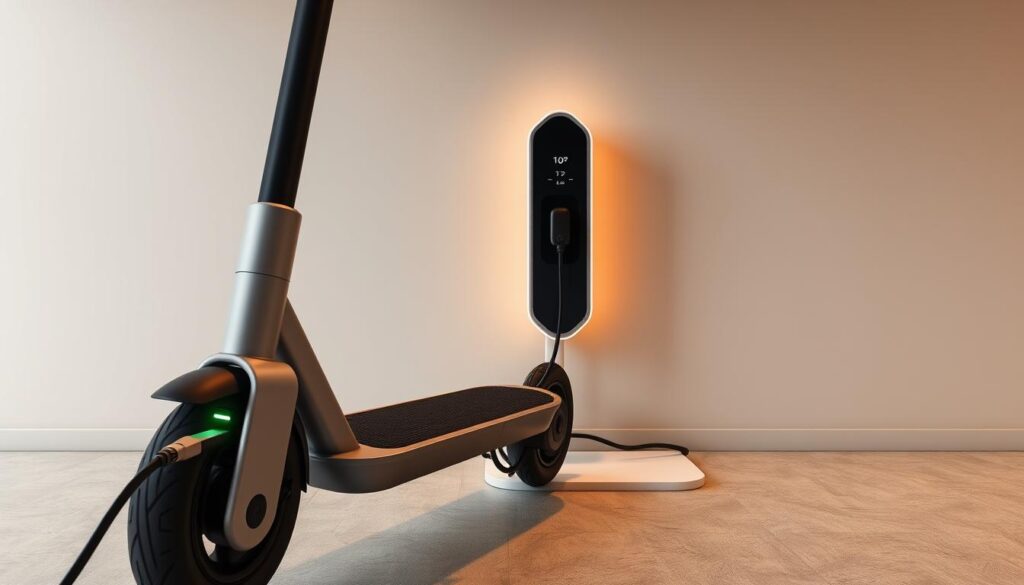
What to expect at home
Most buyers can use the portable charger on a standard outlet and top up overnight. That fits a typical day-to-day routine and keeps daily charging predictable.
- Plan top-ups: short midday fills reduce long waits in the evening.
- Setup tips: keep outlets close, secure cables, and store the scooter covered to protect the battery.
- Cost note: electricity for daily charging still runs far below fuel costs for a comparable petrol vehicle.
Choosing the right ola pro variant means matching battery size to daily range. That avoids overbuying capacity and saves on initial price and charging time.
Design and build: modern lines with practical touches
A minimalist body hides thoughtful touches aimed at real-world usability.
The exterior uses a clean unibody look with few visible fasteners. That tidy silhouette gives the vehicle a premium feel up close while keeping maintenance access practical.
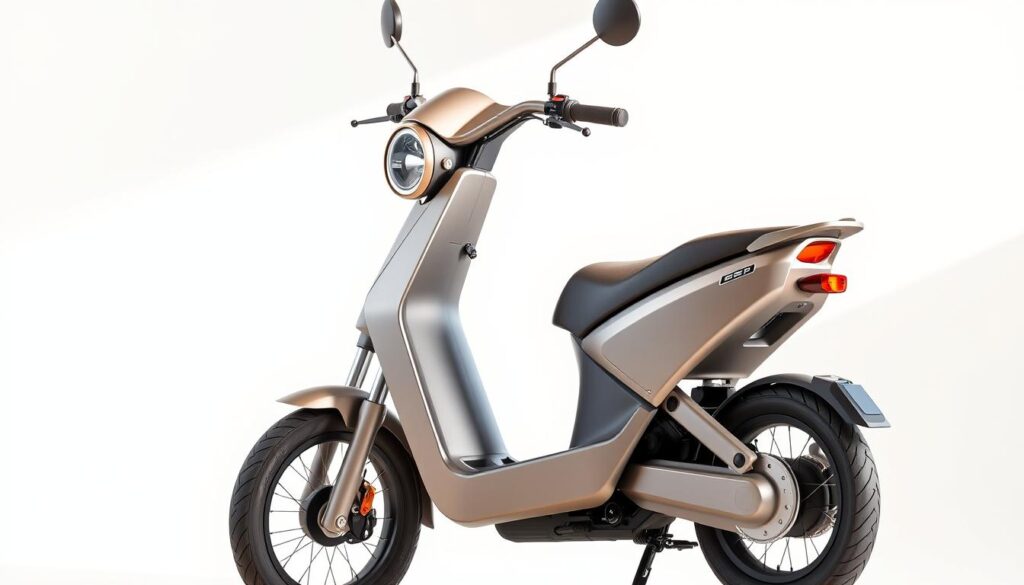
Storage and floor plan: a flat floorboard and a roomy 34L underseat compartment make daily errands easier. The space fits a backpack, a portable charger, and small groceries without fuss.
Ergonomics and dimensions: seat height sits near 791–805 mm for approachable mounting. Ground clearance is 160 mm, and kerb weight ranges roughly 109–118 kg depending on battery. These numbers help balance low-speed confidence and stability.
- Front telescopic fork and a rear monoshock smooth urban bumps.
- 12-inch alloy wheels provide predictable grip and handling.
- LED lighting boosts visibility and tightens the design language.
The overall design keeps the rear tidy and the silhouette adaptable to bold or subtle colours. Over time, those choices help the ola pro balance style with daily practicality and modest running costs tied to the vehicle’s price and battery options.
Features and connectivity: 7-inch TFT, OTA updates, and smart controls
Everyday usefulness grows when a vehicle blends clear controls with remote monitoring. The 7-inch TFT display sits front and center with Bluetooth maps, quick call/SMS alerts, and ride info laid out simply.

Smart updates and core tools: Over-the-air updates add capabilities without a dealer visit. The app shows live battery and charging status, finds nearby chargers, and sends tow/theft notifications.
Navigation, calls, and app monitoring
The touchscreen pairs to a phone for turn-by-turn directions and safe message alerts. Riders get call info without fumbling a pocket, keeping attention on the road.
Digital key, cruise, and parking aids
A digital key unlocks the vehicle and cruise control eases highway stretches. Reverse and parking assist help tight urban spots and low-speed maneuvers.
Regeneration and vacation protections
Regenerative braking recovers energy while smoothing stops. Vacation mode limits charge draws and protects the battery during long idle periods.
- Centerpiece: a clean display that makes features easy to learn.
- Convenience: remote battery checks and charger locators in the app.
- Security: digital key and theft alerts for peace of mind.
Ride modes explained: Eco, Normal, Sport, and Hyper
A simple mode switch changes throttle mapping, regen behavior, and how the dash predicts remaining kilometers.
Eco softens throttle and maximizes range for long city stretches. It eases acceleration so the battery stretches farther when there’s time to spare.
Normal balances performance and efficiency. It suits most daily commutes and keeps range estimates steady without fuss.
Sport sharpens response for zippier merges and quick city moves. Expect a modest hit to range but a livelier ride when traffic demands it.
Hyper is reserved for 4 kWh and larger trims. It unlocks peak performance for short bursts and spirited runs, not all-day commuting.
- Match the mode to your plan: conserve energy on long trips, pick Sport for busy city weaving, or use Hyper briefly for open road bursts.
- Switching modes changes feel, dashboard range projection, and battery load—helpful if traffic, weather, or time changes mid-ride.
- Smart mode use can improve long-term battery health and get better value from the ola pro design and price choices.
Brakes, chassis, and safety tech
Braking and chassis choices shape how confidently a rider can react when traffic forces a sudden stop. This section looks at the stopping systems, suspension, and how those parts work together to keep daily rides predictable.
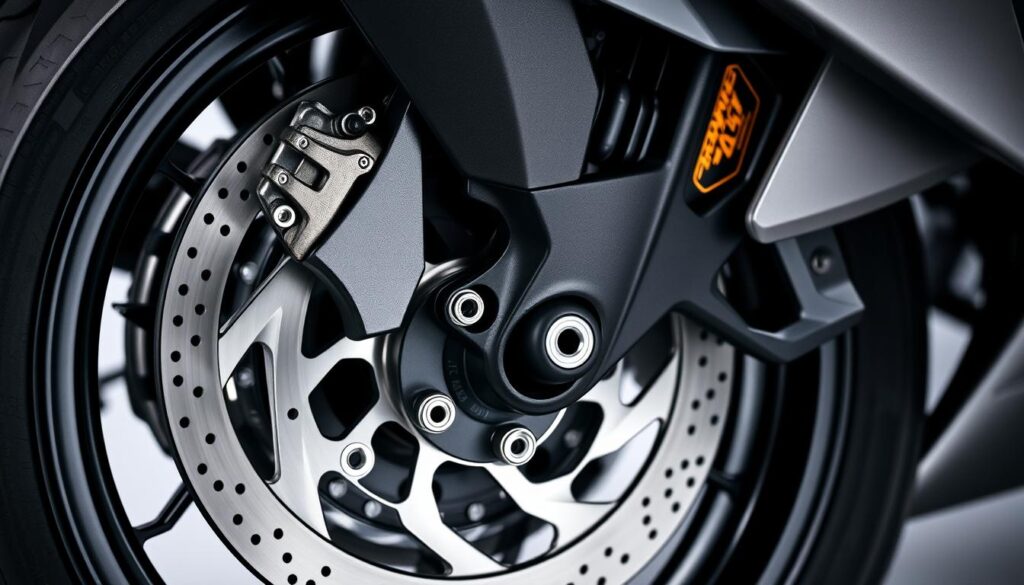
CBS vs. dual-channel ABS
Front and rear disc brakes are standard across the line, with combined braking system (CBS) on value trims and dual-channel ABS on higher-spec models. CBS helps stabilize stops at low to moderate speed, while dual-channel ABS adds confidence on wet or uneven surfaces.
Riders who face highway stretches or heavy rain may prefer ABS-equipped trims for added control during emergency braking.
Suspension and chassis tuning
The chassis pairs a twin telescopic front fork with a tuned monoshock at the rear. That mix balances comfort and control over potholes and city expansion joints.
- Wheels and tires: 12-inch wheels are common; Sport trims may offer 14-inch. Tyre sizes (90/90 R12 or 110/70 R12) change grip and steering feel.
- Maintenance: keep tyre pressure and brake pads checked to protect stopping performance and reduce long-term wear.
- Value note: braking hardware and chassis choices affect the overall price and perceived design quality when comparing ola pro trims.
For a deeper look at model differences, see the detailed review.
Colors and styling options: Midnight Blue to Jet Black
Picking the right paint brings the design into focus and makes ownership feel personal.
Palette and highlights: The line-up includes Jet Black, Porcelain White, Industrial Silver, Stellar Blue, and Midnight Blue, with some trims offering Amethyst-like finishes. Midnight Blue and Jet Black anchor the look for riders who want a premium, understated finish.
The smooth surfaces and minimal breaks in the design let colours read cleanly. That makes classic shades feel modern and bold hues pop without busy graphics.
- Riders can pick colours that blend into city life or stand out with stylish confidence.
- Paint choice pairs with accessories and common add-ons to complete the curbside look.
- Availability of colours can vary by trim and time, so check current available color options before buying.
Practical notes: darker finishes like jet black show dust differently than lighter tones, while lighter shades hide minor scratches better. Choosing the right shade is a simple way to personalize the ola pro and enjoy its street-ready presence every day.
Ownership experience: service, running costs, and reliability
Real-world ownership blends strong range and design with occasional headaches around parts and repairs.
User reviews: what buyers praise and where issues arise
Buyers often praise the vehicle’s acceleration, tech, and day-to-day range. These highlights show up in many positive reviews and in owner forums.
At the same time, common problems center on after-sales service responsiveness and parts availability. In some cities, repairs can stretch weeks to months.
Running cost estimates per mile and charging tips
Typical running cost: Indian sample calculators show about ₹0.17–₹0.20 per km. That translates to clear savings versus petrol in most daily routines.
For minimal downtime, charge overnight and use quick top-ups during the day when possible. Regular short charges keep the battery ready and reduce long waits at service centers.
Warranty basics and parts/availability updates
Warranty: Battery and motor warranties commonly run three years (battery often listed also for 50,000 km). Owners should save all service receipts and note days the vehicle is out for repair.
The company has moved spare parts sales online in late 2025 in many areas, which should ease parts access over time. Still, buyers should check local service reviews before purchase.
- Document everything: keep service history and communications to speed escalations.
- Preventive checks: tyre pressure, cables, and brakes reduce small problems before they grow.
- Escalation tips: follow up in writing, track days and months of downtime, and use online parts portals when available.
Bottom line: The ownership experience offers strong value and low running cost, but prospective buyers should weigh local service quality and parts turnaround when making a final decision.
Is the Ola S1 Pro the right electric scooter for you?
Choose a variant that matches commute distance and local support. For short daily rides, the 3 kWh battery saves money and weight. The 4 kWh suits mixed use, while the 5.2 kWh gives extra range for longer days.
Performance and tech are strong points: an 11 kW motor, brisk kmph acceleration, a bright display, and useful modes make city riding fun and flexible. Charging at home is simple for most owners.
Be realistic about service and reviews in your area. If local service is reliable, the overall package offers solid value in range, connectivity, and day-to-day comfort.
FAQ
What are the main differences between the S1 Pro Ola variants and battery options?
The lineup includes 3 kWh, 4 kWh, and 5.2 kWh packs that change range, weight, and charging time. Smaller packs cut cost and add agility for city commutes, while larger batteries boost claimed range up to about 320 km under ideal conditions. Motor power and top-speed limits also vary by variant, affecting acceleration and real-world performance.
Who is the scooter best suited for?
It targets city commuters, tech lovers, and value seekers who want a feature-rich electric scooter with smart connectivity, a large TFT display, and practical storage. Riders who need low running costs, easy charging at home, and strong urban acceleration will find it compelling.
What are the key specs at a glance—range, top speed, charging, and power?
Claimed range spans roughly 176 km to 320 km depending on battery. Top speeds vary by model, with manufacturer claims up to the 117–152 kmph band; expect lower real-world top speed in city riding. Charging times and power output depend on pack size and charger: 0–80% and 0–100% figures differ by battery, and portable chargers offer convenient at-home charging.
How do ex-showroom prices compare for buyers in India versus U.S. expectations?
Ex-showroom pricing in India is positioned competitively for the local market and reflects government incentives and lower taxes. U.S. buyers should factor in import costs, compliance, and service network differences—expect total cost to be substantially higher after shipping, duties, and conversions if available.
What performance can riders expect from the motor and acceleration?
The scooter uses a high-power hub motor with instant torque that boosts city acceleration and hill-climb ability. Peak motor outputs and torque figures (often in the 58–71 Nm range) translate to brisk starts and responsive throttle in urban stop-start traffic.
Are the top speed claims realistic in real-world riding?
Manufacturer top-speed claims are best-case figures on open roads. In typical city conditions, traffic, rider weight, and battery state of charge reduce achievable top speed. Expect lower top speeds during daily commuting and better performance in Sport or Hyper modes.
What affects the scooter’s range the most?
Range depends on riding mode, terrain, rider weight, speed, and ambient temperature. Regenerative braking, eco riding modes, and consistent speeds extend range. Cold weather and aggressive acceleration reduce the usable distance per charge.
What do owners report about day-to-day range and reliability?
Many owners praise the low running costs, instant torque, and feature set like the 7-inch display and OTA updates. Some report battery range variance in cold climates and occasional service delays depending on dealer networks. Regular charging habits and moderate riding styles improve satisfaction.
How long does charging take for each battery pack?
Charging times vary: smaller packs reach 0–100% faster than larger ones. Typical figures include quicker 0–80% times with fast chargers and longer full charges when using a standard portable home charger. Exact numbers depend on pack size and charger output.
What can riders expect from the included portable charger and home setup?
The portable charger provides convenient overnight or daytime charging from a standard household outlet. Home setup is simple—no special wiring for most users—but fast-charging setups or dedicated wall boxes reduce total charge time if installed.
How does the scooter’s design support practicality?
The unibody look and flat floorboard offer a modern silhouette and easy mounting. Underseat storage around 34L fits a helmet and small items. Ergonomics include a comfortable seat height and balanced geometry for city maneuvering.
What are the key connectivity and smart features?
Features include a 7-inch TFT display, smartphone app monitoring, OTA updates, navigation, in-call/SMS display, digital key, cruise control, reverse, parking assist, and regen tuning. These enhance convenience and keep software current without dealer visits.
How do ride modes change the scooter’s behavior?
Eco, Normal, Sport, and Hyper modes adjust throttle response, top speed limits, and regen strength. Eco maximizes range, Sport and Hyper deliver stronger acceleration and higher top speed, and Normal balances performance and efficiency for daily use.
What braking and chassis safety tech does each variant offer?
Lower trims may come with combined braking systems (CBS), while higher trims include dual-channel ABS for more consistent stopping. The chassis uses twin telescopic forks up front and a rear monoshock tuned for urban comfort and handling stability.
Are there notable color and styling options?
Color options range from Midnight Blue to Jet Black and other contemporary shades. Styling mixes bold panels, LED lighting, and clean lines to appeal to modern urban riders who value looks and functionality.
What do ownership costs and service look like?
Running costs are typically lower than petrol scooters—electricity per mile is cheaper and maintenance is simpler due to fewer moving parts. Service intervals, warranty coverage, and parts availability vary by dealer network and region; buyers should check local service reviews and parts lead times.
What warranty and support should buyers expect?
Warranty basics cover the vehicle and battery for set periods or kilometer limits; extended warranty or battery-care options may be available. Buyers should confirm local service center access, turnaround times for repairs, and availability of replacement parts.
How does regenerative braking and vacation mode help owners?
Regenerative braking recovers energy during deceleration to extend range slightly and improve brake feel. Vacation or storage modes protect the battery during long idle periods by limiting charge/discharge and monitoring systems to preserve health.
Is this electric scooter a good choice for someone switching from petrol?
For those prioritizing lower running costs, instant torque, smart features, and reduced maintenance, it’s an attractive switch. Riders who need long-distance touring or frequent top-speed runs should compare range, charging access, and motor specs before deciding.