
Discover Ola EV Scooter: Price, Features, and More
 PopScooter Team
November 28, 2025 5:56 am
.
9 min read
PopScooter Team
November 28, 2025 5:56 am
.
9 min read
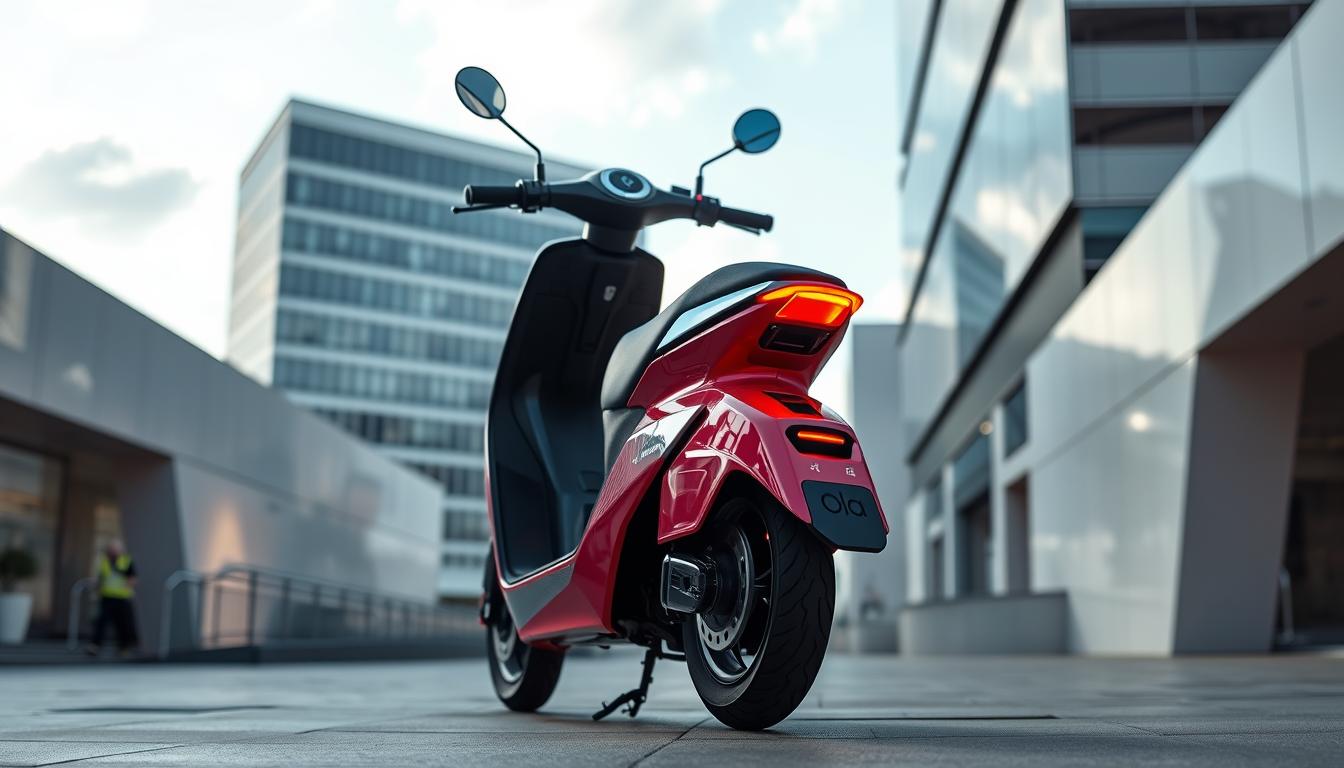
Can a compact urban vehicle really replace a car for daily city runs? This question sets the stage for a fresh look at the ola ev scooter and what it promises for short trips and apartment living.
The piece gives a clear view of headline price and real-world value. It explains how ola electric builds powertrain parts in-house, from a 4680 “Bharat Cell” battery to a ferrite motor, and runs everything on MoveOS. Readers get one clean snapshot of the modern electric scooter experience and what the product delivers day to day.
The introduction also highlights key specs in plain terms: a removable 1.5 kWh pack, about 75 km per battery (146 km with two), ~70 km/h top speed, and brisk 0–40 km/h pickup. It notes practical perks like Bluetooth LCDs and apartment-friendly charging that make ownership simpler for U.S. city riders.
This short overview primes readers for deeper sections on price and trims, battery and range, smart features, and service — including context for the 2025 ola range and how these compact vehicles and scooters fit urban routines.
Meet Ola Electric’s vision for smarter mobility
Nearly a million riders give the company real-world data that shapes its product roadmap each year. This large sample helps the brand tune performance, reliability, and the feature set faster than a typical hardware cycle.
The team builds core powertrain parts itself: a 4680 Bharat Cell battery and a ferrite motor. That in-house work reduces supplier risk and lets engineers balance durability with cost.
MoveOS is the cloud-connected system that delivers over-the-air updates. Owners can get new capabilities without swapping hardware, much like smartphone upgrades.
This platform-first view aims to make electric scooters more useful over time. Riders benefit from ongoing diagnostics, navigation improvements, and better efficiency as software evolves.
- Control: tighter quality and parts availability.
- Growth: software-led features after purchase.
- Confidence: field data drives real improvements.
Ola EV scooter price and trims in focus
Understanding headline prices helps buyers match budget to real-world use. The S1 Z begins around ₹59,999 (ex-showroom) in India, which gives shoppers a clear view of affordability for urban riders.
Regional prices vary. U.S. buyers should expect different final costs due to taxes, shipping, and local incentives. For 2025 ola model-year choices, checking local availability and offers is important before buying.
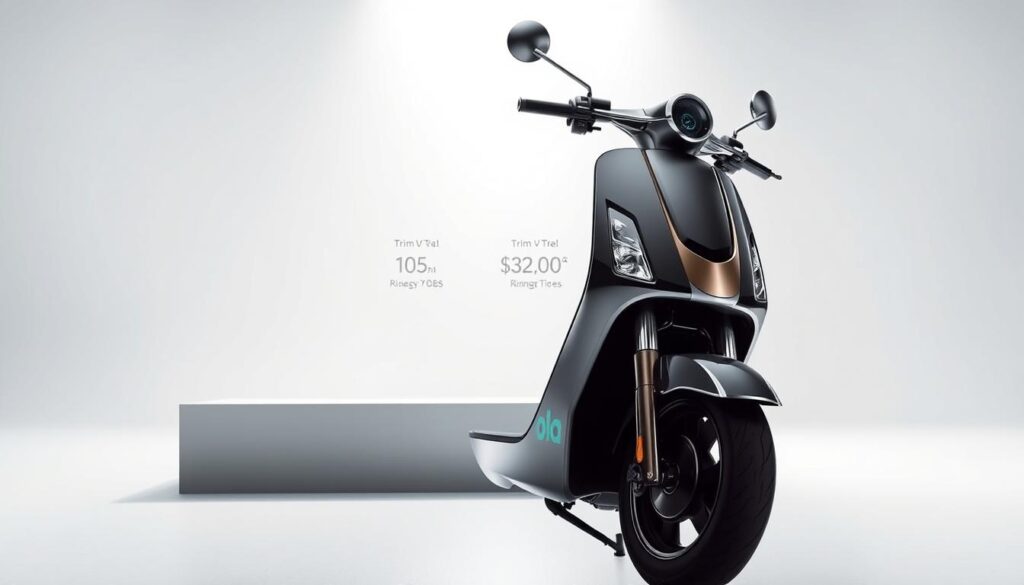
Value shows up in the spec mix: a removable 1.5 kWh pack (~75 km single, ~146 km dual), a Bluetooth LCD, ~70 km/h top speed, and brisk 0–40 km/h sprints. Against competitors — Simple One (~₹1,71,944), Bajaj Chetak (~₹1,34,500), Ather Rizta Z (~₹1,44,258) — the S1 Z emphasizes lower entry prices while keeping practical features.
- Affordability: headline price that opens ownership to more riders.
- Flexibility: modular battery options let buyers spend less money up front or add range later.
- Practical value: everyday features aimed at city commutes and storage needs.
The final view for buyers: match trims to commute length and charging habits, weigh claimed range against actual use, and choose the price point that delivers the most useful value in their city routine.
Performance, battery, and range that fit your ride
City riders need a balance of quick power and sensible range for daily trips. This section breaks down pack choices, real-world numbers, and how charging fits apartment life.
Battery options and kWh explained: removable 1.5 kWh packs
The design uses a removable 1.5 kWh pack so owners can start light and add capacity later. A single pack claims about 75 km range); two packs push the claim to about 146 km under ideal conditions.
Real-world range, top speed, and 0-40 mph equivalents
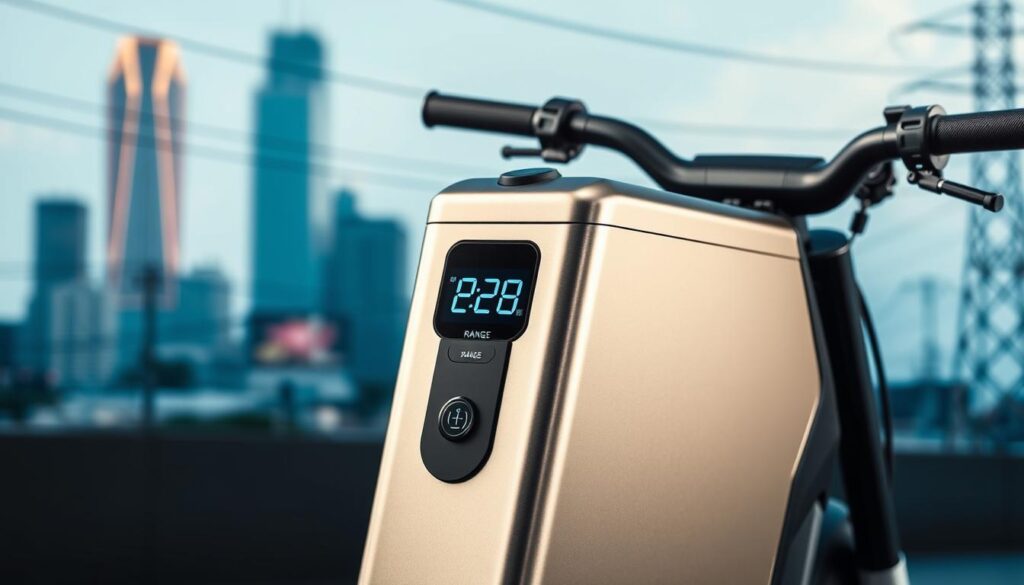
Claimed figures assume steady riding and moderate loads. In stop-and-go traffic, heavy payloads, or high speeds, actual range will fall short of the claim.
- Top speed: roughly 70 km/h, suitable for urban limits.
- Acceleration: 0–40 km/h takes about 4.7–4.8 seconds, giving confident starts in traffic.
- Motor and power: tuned for off-the-line response rather than long-distance cruising.
Charging at home and on the go: time to charge and daily use
Removable packs let riders charge inside apartments from a wall outlet. That ease reduces reliance on public plugs and keeps weekly planning flexible.
Match pack count to commute length to balance weight, storage, and convenience for each ride.
Smart features powered by MoveOS
MoveOS transforms the riding experience by treating software updates as ongoing enhancements, not one-time add-ons. The result is a product that can gain new utilities and tweaks after purchase.
Connected riding: displays, Bluetooth, and over-the-air updates
The S1 Z pairs a clear LCD instrument cluster with Bluetooth so riders see navigation prompts and basic media controls at a glance.
Over-the-air updates deliver refinements to energy management, notifications, and user interface without a service visit.
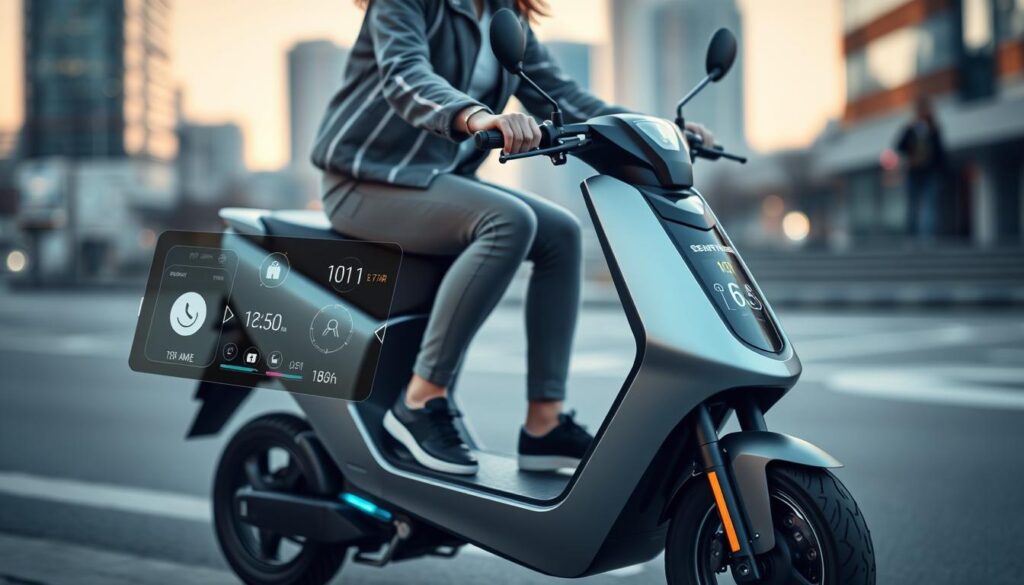
Ride modes and control system: power, speed, and confidence
Multiple ride modes let owners tailor power delivery and speed response for efficiency or brisk commuting.
A thoughtful control layout keeps inputs simple and in reach, helping riders keep attention on the road while changing settings.
- System-first updates: new features can roll out in phases, improving long-term value.
- Mode flexibility: pick conservative settings for longer range or sportier response for quick runs.
- Clear view: the display and controls put what matters front and center for safe use.
Together, these elements give riders a connected electric scooter that adapts over time. The focus on control and software means owners often get more from the same hardware as updates arrive.
Service, warranty, and ownership support
Knowing where to get parts and how long jobs take helps owners plan their week. Prospective buyers should confirm local centers and mobile support options before they commit.
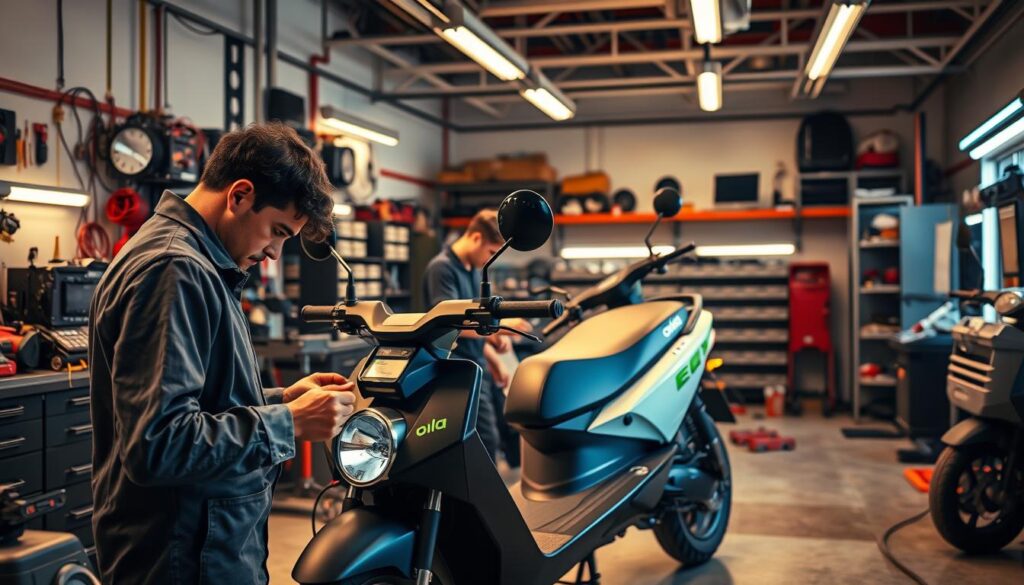
With nearly one million riders, support networks are growing, and processes often improve over time. Still, turnaround and parts availability can vary by city and by year, so check local schedules.
What service looks like today
Owners should verify typical week lead times for repairs and routine maintenance. Ask about mobile visits, express checks, and how labor and parts affect final prices.
- Warranty: multi‑year coverage exists, but terms differ by model and region. Review the warranty details to understand exclusions and service requirements.
- Software support: many issues can be fixed with over‑the‑air updates or remote diagnostics, reducing shop visits.
- Consumables & intervals: match recommended checks to annual mileage to keep the vehicle reliable.
For U.S. buyers, confirm importer or partner service recognition and parts logistics. Proactive planning of nearest contact and typical week scheduling makes the first year of ownership far smoother.
Why the Ola EV scooter stands out now
, MoveOS and in-house hardware make this model a strong city choice. The removable 1.5 kWh battery packs let riders tailor range and weight. The package balances a useful claimed range (single pack ≈75 km, dual ≈146 km) with a modest top speed for urban lanes.
The ferrite motor and 4680 Bharat Cell approach help deliver quick off-the-line response in the first few seconds while saving energy at cruise. Owners see real gains in daily charging convenience and fewer surprises during a typical week.
Support and service are practical considerations. With competitive price and clear warranty terms, the product offers solid value for commuters who want simple charging, dependable power, and room to grow in 2025.
FAQ
What is the price range and available trims for the Ola EV scooter?
Pricing varies by region and trim. The line-up typically includes a base model for budget-conscious riders and a Pro-style trim with larger battery and extra features. Local taxes, incentives, and dealer offers affect the final cost, so buyers should check regional listings for current street prices.
How does the company describe its vision for smarter mobility?
The brand focuses on electrified urban transport that reduces emissions and traffic impact while improving daily commuting. It aims to pair efficient hardware with software features that simplify ownership, increase safety, and enable connected services like OTA updates and remote diagnostics.
What value do riders get at each price point?
Entry-level models deliver core electric power, practical range for city use, and low running costs. Higher trims add faster charging, larger battery capacity, premium brakes, and enhanced displays. Overall, buyers get a mix of affordability and tech depending on the chosen spec.
What battery options are available and how does kilowatt-hour (kWh) matter?
The lineup offers multiple battery sizes, including smaller packs and larger kilowatt-hour units designed for longer trips. kWh indicates energy capacity: higher kWh means more range. Some models feature removable 1.5 kWh packs for flexible charging and extended daily use.
What real-world range, top speed, and acceleration can riders expect?
Real-world range depends on speed, rider weight, terrain, and climate. Typical urban range on standard trims suits daily commutes, while Pro-style versions push farther per charge. Top speed and 0‑40 mph (0‑64 km/h) performance differ by motor tune; higher trims prioritize quicker acceleration and higher top speeds for mixed-city riding.
How long does charging take at home and on public chargers?
Home charging overnight on a standard AC supply typically restores a full battery within several hours. Faster public chargers reduce time significantly, and removable packs can speed turnaround by allowing off-vehicle charging. Exact times depend on pack size and charger power.
What connected features are included with MoveOS-style software?
The connected system supports a full-color display, Bluetooth pairing for phones, navigation aids, and over-the-air (OTA) updates. These features keep firmware current, add functions remotely, and provide ride data for diagnostics and route planning.
What ride modes and control systems are offered to match different riders?
Multiple ride modes tune power delivery, throttle response, and regenerative braking to suit commuters, eco-conscious riders, or those wanting sportier acceleration. Electronic control systems manage traction and power flow to boost confidence in varied road conditions.
What does service and warranty coverage look like?
Ownership support typically includes scheduled servicing at authorized centers, software support via OTA updates, and a multi-year warranty for the vehicle and battery. Specific terms vary by market, so buyers should confirm service locations and warranty duration locally.
How does this vehicle stand out compared with other electric two-wheelers today?
It combines competitive pricing, practical range options, and a focus on software-driven features that enhance daily use. Removable batteries, rapid charging options, and a strong connected platform make it a compelling choice for urban riders seeking modern mobility.