
Segway ES4 Electric Scooter Review and Features
 PopScooter Team
November 21, 2025 6:27 pm
.
17 min read
PopScooter Team
November 21, 2025 6:27 pm
.
17 min read
Can a decade-old compact commuter still beat modern rivals on value and real-world performance?
The review orients U.S. riders to what the segway es4 model offers today. It highlights practical facts that matter for daily trips: comfort, foldability, and usable top speed.
The dual-battery design delivers an advertised range up to about 28 miles and a headline top speed near 18.6 mph. Out of the box, buyers get an LED dashboard, cruise control, under-deck lighting, and a folding frame that fits transit.
The aluminum alloy frame keeps weight around 31 lbs, so carrying stairs or loading a car is feasible. Solid rubber tires mean little maintenance, though riders should expect more road chatter.
This intro also notes safety basics: regenerative braking plus a UL 2272-certified battery with BMS protections. The rest of the review breaks down ride feel, battery life, real-world speed, and current U.S. price trends in clear sections.
Why the Segway ES4 Still Matters for Commuters Today
In city traffic, consistent range and steady speed matter more than flashy new features.
The ES4 remains a solid commuter scooter because it balances practical range with dependable speed. With an advertised 28 miles and a realistic 20–23 miles on many rides, it covers typical U.S. commutes without surprises.
Reliable ride features — 18.6 mph top speed, regenerative braking, IPX54 water resistance, and cruise control — make it suited to smooth streets and bike lanes. Cruise control reduces fatigue on longer stretches and helps maintain a steady pace.
Safety and low maintenance are key reasons riders still choose this platform. Stable braking, clear lighting, and app locking offer everyday protections in traffic. Solid rubber tires keep upkeep low, though they favor smooth surfaces.
- Predictable range for daily miles and errands
- Proven platform with years of user experience
- Good value compared with its original launch price
segway es4
This model lays out the core numbers riders want first: speed, range, and motor output. The short intro helps readers scan before they dive into details.

Main specs at a glance
The ninebot es4 tops out at 18.6 mph and uses a 300W motor with 800W peak power. Dual batteries push the advertised range to about 28 miles, with a roughly seven-hour full charge time.
- Top speed: 18.6 mph
- Motor: 300W (800W peak)
- Tires: solid 8–8.5 in; front and rear shock absorption
- Weight and fold: ~31 lbs; folded ~45 x 17 x 16 in
- Brakes: regenerative front + mechanical rear stomp
- Certs: IPX54 water resistance, UL 2272 battery safety
What’s changed from earlier Ninebot models
The segway ninebot update adds a second battery without a big weight penalty. Grips and cable routing are cleaner, and extra lighting options improve visibility.
These tweaks keep the basic, reliable ride feel while giving commuters useful upgrades. This short spec snapshot gives readers quick, practical information about parts and everyday use of the scooter.
Design and Build: Sleek Aluminum Frame with Urban Flair
City riders will notice the aluminum build right away — it looks sharp and feels durable.
The dark gray/silver finish keeps the scooter looking professional on sidewalks and in lobbies.
LED dashboard and customizable under-deck lighting
The central LED display shows speed, battery, and mode at a glance, giving clear information without distraction.
Under-deck LEDs add visibility and style. Riders can tweak colors through the app to match mood or increase night-time presence.
Rubberized grips, clean cable routing, and overall finish
Improved rubber grips replace older foam parts for a firmer hold and easier cleaning.
Tidy cable routing along the stem reduces snag risk and keeps the frame uncluttered. Small painted accents and a consistent deck texture boost the premium feel.
- Aluminum alloy frame balances weight and durability.
- Integrated front and rear shock absorption softens city bumps; suspension is modest but effective.
- Sturdy latches and hinge cut flex, so the scooter folds and unfolds with confidence.
Taken together, these details show a clear focus on form and function. The design makes daily commutes look and feel polished while staying practical for real-world use.
Ride Quality on Real Streets
Real-world pavement reveals the true character of any commuter scooter.
The ES4 uses solid 8–8.5 inch rubber tires that remove flats and cut maintenance. That design makes the ride firm but predictably stable on smooth asphalt.
Front and rear shock absorbers help here. They absorb small cracks, seams, and minor ripples so short bumps feel manageable.

What the suspension smooths — and what it doesn’t
The shocks tame chatter from light imperfections, but they don’t replace pneumatic softness. Big potholes and heavily broken pavement still come through a bit sharper than with air-filled tires.
Optional seat and practical tips
An optional seat (about $119.99) adds extra shock absorption and cuts constant buzz on longer trips. Combined with the chassis geometry and rear stomp brake, it makes longer commuting more relaxed.
- Keep routes smooth: choose bike lanes and well-paved streets when possible.
- Maintenance trade-off: fixed tire feel means no pressure tuning, but also no flats.
- Cruise help: the cruise control option eases throttle fatigue on steady stretches.
Performance: Speed, Modes, and Everyday Acceleration
How quickly a scooter reaches cruising pace matters more than the raw top speed. This section explains how the ninebot es4 delivers usable power in city traffic.
The unit reaches a top speed of 18.6 mph on flat ground. In Sport mode the acceleration feels brisk and steady, ideal for a clear bike lane or an open stretch of road.
The 300W nominal motor (800W peak) gives punch off the line without twitchy surges. It uses kick-to-start above about 3 mph, which stops accidental throttle starts and helps pedestrian zones stay safe.
Rider modes and throttle behavior
Riders toggle between Speed Limit, Standard, and Sport. Speed Limit prioritizes range and smoothness. Sport lifts limits for quicker bursts but draws more battery.
- LED readouts show mph and mode icons so changes are clear.
- Throttle response is confident and predictable for merging with bikes.
- On dry pavement the scooter stays stable while accelerating.
Range and Battery Life You Can Rely On
Understanding the dual-battery design helps riders plan real trips without surprises.
The dual pack pushes the advertised range to about 28 miles when both batteries are installed. In real-world U.S. conditions, most users see roughly 20–23 miles per charge. That gap accounts for hills, stop-and-go traffic, rider weight, and temperature.

Dual-battery setup with external pack: up to 28 miles
The external battery adds clear flexibility. Riders can remove it to cut weight and shorten charge time, but range drops roughly by half. Charging both units takes about seven hours; each battery charges in roughly 3.5 hours.
Real-world range expectations in the United States
Typical commutes of 5–8 miles each way fit comfortably into one full charge with a buffer. The LED battery gauge on the display and app gives reliable information so planning a daily ride is simple.
When to ride internal battery only
Using the internal pack alone saves charging time and makes short errands lighter to carry. For longer days or back-to-back trips keep the external battery attached to preserve overall battery life.
- Tip: Avoid deep discharges and store at moderate charge to extend battery life.
- Practical: The segway ninebot platform keeps range predictable across regular use.
Portability and Folding for Multi‑Modal Commuting
How easily a scooter folds and how it carries can make or break a daily commute.
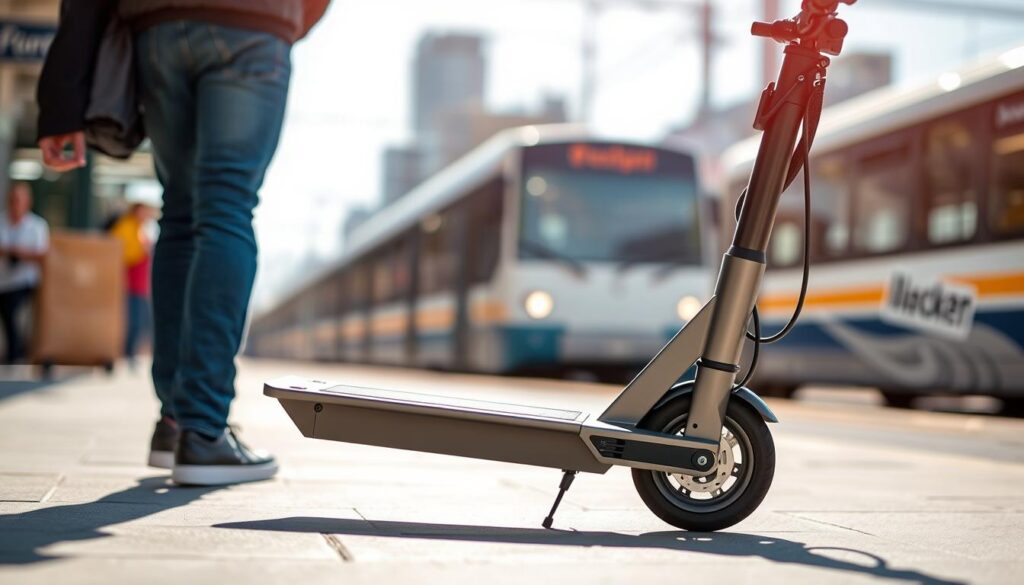
The ES4 folds to about 45 x 17 x 16 inches and weighs roughly 31 lbs. Those dimensions tuck nicely under desks, beside cafe tables, or into most car trunks.
Fold size and carry weight
The folding latch uses a step‑and‑press motion. It takes a bit of practice but becomes quick after a few tries.
A 31 lb carry feels manageable for short walks or a flight of stairs, though heavier than ultra‑compact models. Riders will notice the difference after several blocks.
The seat caveat and stow tips
An optional seat prevents folding. Removing that seat on the go is possible but fiddly, so frequent folders should plan their setup.
On buses or trains, fold and place the scooter near a door or aisle during off‑peak hours and be mindful of fellow passengers.
- Check latch and deck corners for scuffs after repeated folding; inspect small parts occasionally.
- Practice folding at home so transitions save time during the commute.
- Some riders find the price-to-convenience balance favorable compared with heavier, longer‑range models.
Safety, Braking, and Stability
A reliable brake system and clear lighting help riders avoid surprises on busy streets.
Dual braking system with regenerative KERS
The scooter pairs an electric front brake with regenerative KERS and a mechanical rear stomp brake. Regen recovers energy to the battery life while giving a smooth, predictable lever feel.
Riders should practice the motor’s regen response in a safe area so brake modulation feels natural before riding in traffic.
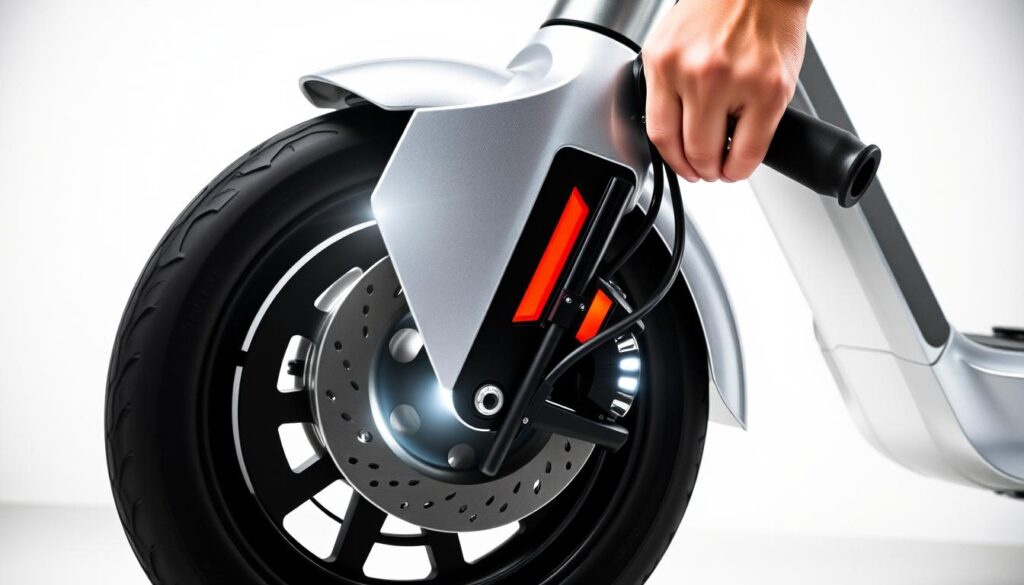
Stopping distance and visibility from lights
Independent tests show stopping within about 13 feet at 12.4 mph in good conditions. That figure gives riders a concrete reference for safe following space and reaction planning.
The bright headlight and rear lighting improve visibility at dusk and in low light. Switch lights on in poor weather and before entering shared paths.
IPX54 water resistance and real‑world riding
IPX54 protects against splashes and light rain but not deep puddles or heavy downpours. Avoid painted road markings, wet manhole covers, and metal plates when speed or traction is high.
UL 2272 certification and an onboard BMS lower electrical risks and help keep battery life consistent over time.
- Check brake response and rear brake pad condition regularly.
- Scan ahead to allow full stopping distance at your chosen speed in mph.
- Test lights before night rides and inspect tires for wear to maintain stability.
Smart Features and App Controls
Smart controls now put essential ride settings in a rider’s pocket. The Bluetooth app gives quick access to security, lighting, and basic tuning so daily commutes stay smooth.
Cruise control to hold a steady mph
Cruise control activates after holding a steady speed for about five seconds and signals with a beep. This feature reduces thumb fatigue on longer commutes and steady bike‑lane stretches.
Tap the brake or nudge the throttle to disengage. The cruise control option is simple to enable during a steady run.

Bluetooth app: lock, lights, limits, and ride data
The iOS/Android app can lock the motor, change under‑deck light colors, toggle the headlight, and adjust rear visibility for night time. Locking stiffens the wheel and sounds an alert if the scooter moves, acting as a quick theft deterrent.
- Set a speed limit for crowded areas or new riders.
- Personalize under‑deck lighting and headlight behavior by time of day.
- View trip and battery stats to track performance over time.
Regular firmware updates through the app deliver stability and new features, saving time and making electric scooters easier to use every day.
Charging Time, Battery Management, and Longevity
Charging both packs overnight fits most riders’ routines and keeps the scooter ready for daily trips.
Approximate charging time is straightforward: about seven hours from low to full with both batteries attached.
Each pack typically reaches full in roughly 3.5 hours if charged separately.
The on‑board battery management system protects against overheating, short circuits, overcurrent, and overcharging.
That BMS, combined with UL 2272 certification, gives clear peace of mind for home charging and daily use.
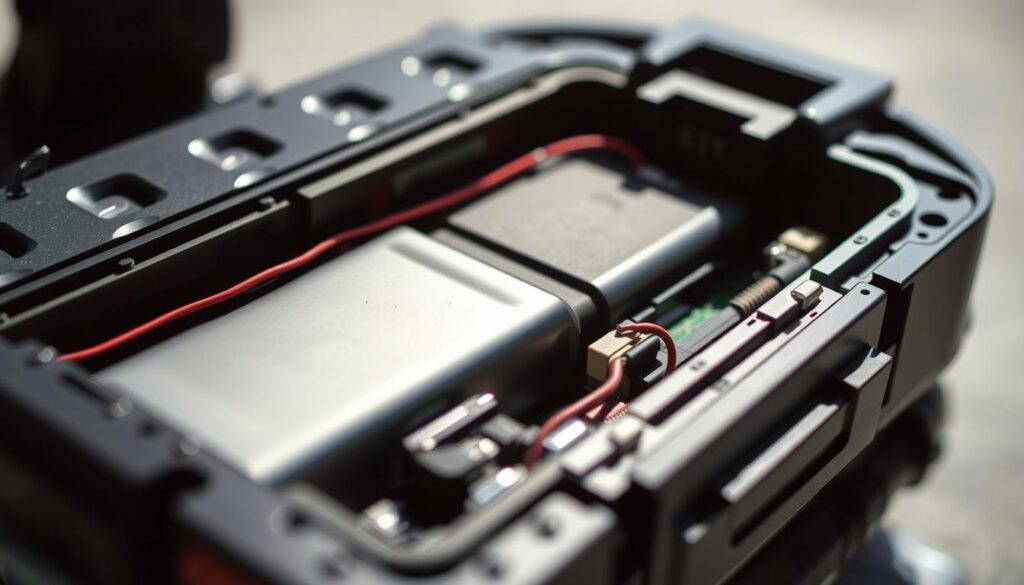
Practical tips to extend pack life
- Avoid extreme temperatures and don’t store the scooter fully depleted.
- Top up after frequent rides rather than deep‑discharging the cells.
- Charge the internal and external battery together with a single plug‑in to simplify routines.
Regular checks of the charger, cable, and port prevent wear and keep charging reliable.
Smart, consistent care helps riders get the longest life and best value for the price from their segway ninebot setup and other scooters.
Price and Value for Money
With recurrent sales and cashback offers, the scooter’s value proposition looks very different than at release.
Typical U.S. pricing has moved from about $769 at launch reviews to frequent deals near $479.99. For that money buyers commonly get the dual-battery setup that can reach up to 28 miles, a top speed near 18.6 mph, cruise control, app controls, and UL 2272 plus IPX54 protections.
Those inclusions make the purchase attractive for daily commutes and errands. The motor’s steady performance and predictable battery life deliver practical returns on the investment.

Where the price justifies the purchase
- Range and convenience: Dual batteries translate to usable miles between charges, which fits multi-day commutes.
- Safety and smart features: App control, cruise, UL certification, and water resistance add value beyond raw specs.
- Parts and support: A long-lived user base means parts availability and solid community reviews.
Where the price falls short
The main trade-off at this point is ride comfort. Solid tires keep maintenance low but give a firmer ride than pneumatic alternatives.
For buyers focused primarily on smooth-ride comfort, the extra money might be better spent on models with larger pneumatic tires. For commuters valuing reliable range, low upkeep, and a familiar platform, current deals make this model a strong value.
For a detailed comparison and buying tips, see the full review.
Notable Alternatives to Consider
If longer rides or smoother pavement matter most, some rival models change the trade-offs.
Segway Ninebot Max: long range and pneumatic comfort
The Segway Ninebot Max offers up to about 40.4 miles of range with a top speed near 18.6 mph. It uses larger pneumatic tires that improve comfort on cracked streets and help with hills by roughly 5%.
That extra endurance trades portability: the Max is heavier (around 42 lbs) and commonly costs more. It is a solid pick for riders prioritizing long runs and softer tire feel over light weight or folding convenience.
Turboant X7 Pro: value-focused performer
The Turboant X7 Pro hits roughly 20 mph and up to about 30 miles per charge, while weighing near 33 lbs. Its balance of speed, range, and lower price makes it a strong budget alternative for commuters.
Compared with the Max, the X7 Pro keeps costs down but sacrifices some tire diameter and suspension tuning. Riders who want good everyday performance without the premium sticker often favor this model.
When suspension and brakes matter
For rough routes, the Apollo City earns praise for stronger spring suspension and firmer brake systems and a higher top speed. That setup improves overall ride stability at the cost of added weight and higher price.
- Best for range: Segway Ninebot Max—long miles and pneumatic tires.
- Best budget: Turboant X7 Pro—competitive speed and range for the cost.
- Best comfort/performance: Models with full suspension and stronger brakes.
The Bottom Line on the Ninebot ES4 for Today’s Rider
If a rider wants a reliable, easy-to-manage electric scooter for short workdays, the ninebot es4 remains a pragmatic pick. It pairs a usable top speed of 18.6 mph with a dual-battery design that often delivers about 20–23 miles in real use and up to 28 miles when needed.
The unit’s strong, practical features — cruise control, app lock, clear lighting, and regen plus a mechanical brake — give everyday confidence. Comfort trades off for low upkeep because of solid rubber tires and modest suspension, but shock absorbers reduce constant buzz on smoother routes.
When value, predictable battery life, and simple operation matter, the ninebot es4 is an easy recommendation for commuters who want a set-it-and-forget-it city ride. For those chasing plush suspension or higher top speed, other electric scooters are available.
FAQ
What is the top speed and how does it feel riding at 18.6 mph?
The scooter reaches a top speed of about 18.6 mph in Sport mode. Riders report brisk acceleration and stable handling at that pace on smooth streets. At higher speeds, bumps and potholes feel sharper because of the solid tires, so slowing down on rough surfaces improves comfort and control.
How far will the dual-battery setup go on a single charge?
With the internal battery plus the external pack, the advertised range is up to roughly 28 miles under ideal conditions. Real-world range in the U.S. typically falls lower—around 12–20 miles—depending on rider weight, terrain, speed, and weather.
How long does charging take for both batteries?
Expect about a 7-hour full charge for both the internal and external batteries when using the stock charger. Charging times vary if one battery is depleted more than the other or if a fast charger is used.
Is cruise control available and how reliable is it?
Yes, cruise control is available through the ride modes and the mobile app. It holds a steady mph on level ground, making longer commutes less tiring. The feature disengages when brakes or throttle are used, or when incline changes significantly.
What braking system does it use and is it safe in urban traffic?
It uses a dual braking system with electronic regenerative braking (KERS) plus a mechanical rear brake. Stopping distances are decent for city speeds, and the regenerative system helps on gentle decents. Bright front and rear lights improve visibility in low light.
How well does the scooter handle rough pavement with solid rubber tires?
Solid rubber tires reduce flats and maintenance but transfer more shock to the frame. The front and rear shock absorption helps smooth small bumps, but larger potholes and uneven cobbles still feel harsh compared with pneumatic tires.
Can a seat be added and does it affect folding or portability?
An optional seat can be fitted, improving comfort for longer trips. However, adding a seat may change how the scooter folds and can make carrying it less convenient. Riders should check compatibility and folding clearance before buying a seat kit.
How much does the scooter weigh and is it easy to carry for multimodal commutes?
The unit weighs around 31 lbs. It folds compactly for buses or trains, but the weight still demands a moderate effort to carry. Steps, long walks, or frequent lifting may be challenging for some commuters.
What maintenance should riders expect over time?
Routine checks include tightening fasteners, keeping the deck and stem clean, inspecting brakes and lights, and monitoring battery health. Solid tires mean no flats, but wear on the tread and shock components may require replacement after heavy use.
Is the scooter water-resistant for rainy commutes?
It carries an IPX54 rating, meaning it handles light rain and splashes. Riders should avoid heavy downpours, deep puddles, and washing the scooter with high-pressure water to protect electronics and the battery pack.
What are realistic expectations for battery life over years of use?
With normal charging habits and moderate usage, battery capacity will slowly decline. Many riders see usable capacity for 2–4 years before range drops noticeably. Proper storage and avoiding full discharges extend lifespan.
How does this model compare to alternatives like the Ninebot Max or Turboant X7 Pro?
The Max offers longer range and larger pneumatic tires for more comfort, while the Turboant X7 Pro targets budget-minded riders with competitive range and features. This scooter blends compactness and quick acceleration, making it a strong choice for urban commutes if range and rough-road comfort are not the top priorities.
Can the top speed or power be limited via the app for safety or local laws?
Yes, the Bluetooth app provides speed limit settings and ride-mode adjustments. That lets riders comply with local regulations or set conservative limits for safer neighborhood riding.
Are replacement parts and service widely available?
Replacement parts—batteries, brakes, tires, and lights—are relatively easy to source from authorized dealers and third-party suppliers. For complex repairs, professional service is recommended to ensure safety and preserve certifications.
What should riders know about UL certification and battery protections?
The model includes a battery management system with safety protections and typically meets UL 2272 standards for electrical safety. These systems guard against overcharge, short circuits, and thermal issues, improving overall ride safety.