
WePed Scooter Reviews: Is This Electric Scooter Right for You?
 PopScooter Team
November 22, 2025 4:47 pm
.
11 min read
PopScooter Team
November 22, 2025 4:47 pm
.
11 min read
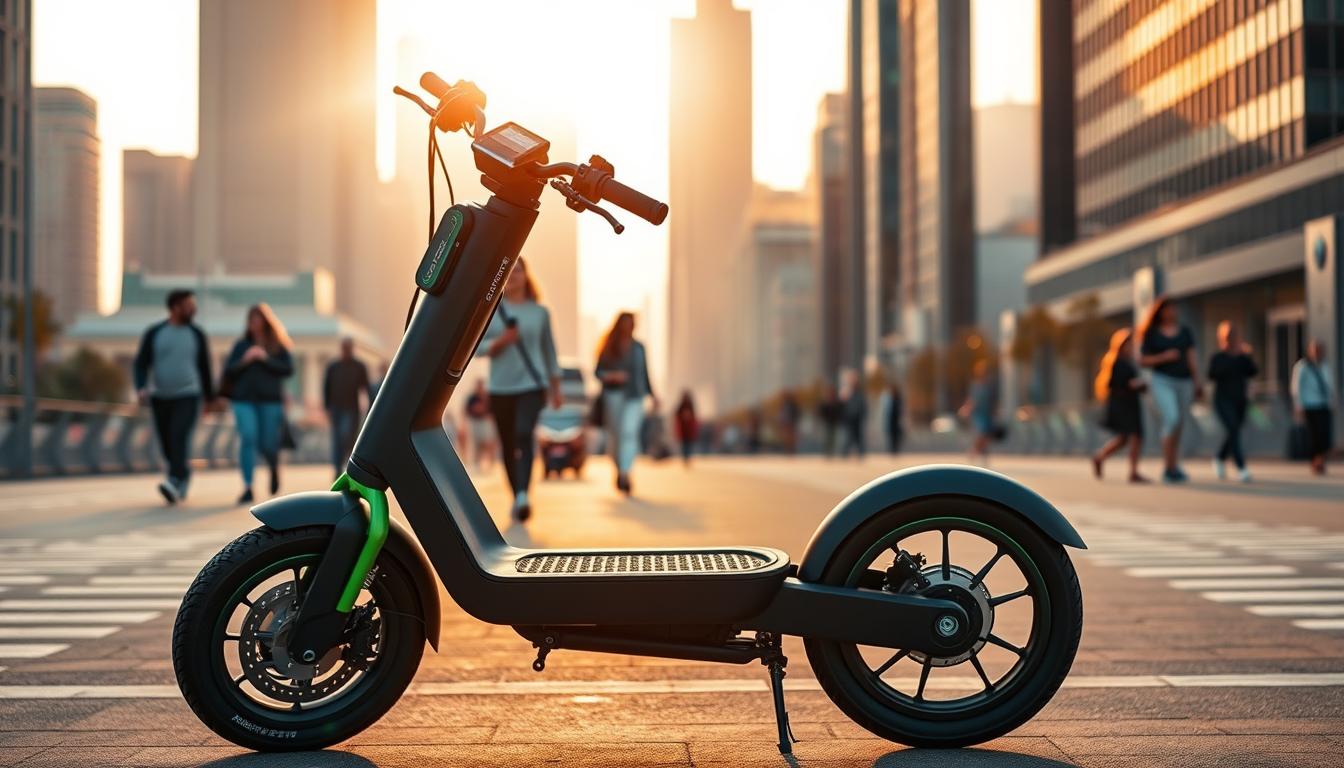
Could a high-power commuter change the way they ride—and is it worth the extra cost?
The first look at a WePed model makes one ask if this is a daily rider or a weekend thrill machine. It blends premium components like Samsung 21700 cells and dual BLDC motors with serious build quality. Shoppers get a clear sense of performance and how these products compare to entry-level options.
Price matters. Current discounted pricing ranges widely, so buyers can budget for models from about $3,990 to over $20,000. Flexible financing and fast free shipping within the lower 48 states help make ownership more accessible.
This overview helps readers judge acceleration, top speed, braking feel, and range before diving deeper. It sets expectations for long rides, city commuting, and spirited runs on open roads.
Meet the WePed scooter for high-performance riders in the United States
For performance-minded riders in the United States, this lineup offers a rare mix of raw power and daily reliability.
Speed seekers and commuters alike find a clear path to ownership through Speedway Riders NYC. The retailer positions itself as America’s premier electric store and stocks a curated set of products built for performance.
The buying journey stays simple. A knowledgeable team guides each customer from model selection to delivery and back-up service. Financing options, including 0% APR, make higher-end buys more accessible.
Nationwide availability and fast free shipping across the lower 48 states help riders get rolling quickly. Owners also join an active community that swaps maintenance tips, riding routes, and setup advice.
- Clear model distinctions for speed, range, and comfort.
- Hands-on customer support from purchase to post-sale care.
- Warranty and flexible financing to match different budgets.
Real-world performance and ride quality
On open roads and city streets, these high-power models reveal how performance meets everyday control.
Speed and acceleration feel immediate. The SST hits roughly 75 mph for strong highway runs, while the Sonic lineup stretches toward 99–112 mph on select models. Quick throttle response and high top-end numbers make fast passes simple and confidence-inspiring.
Dual BLDC hub motors provide robust torque for climbs and overtakes. Configurations range from about 4kW to 8kW per side, so the powerband pulls hard from low revs and holds through steep grades.
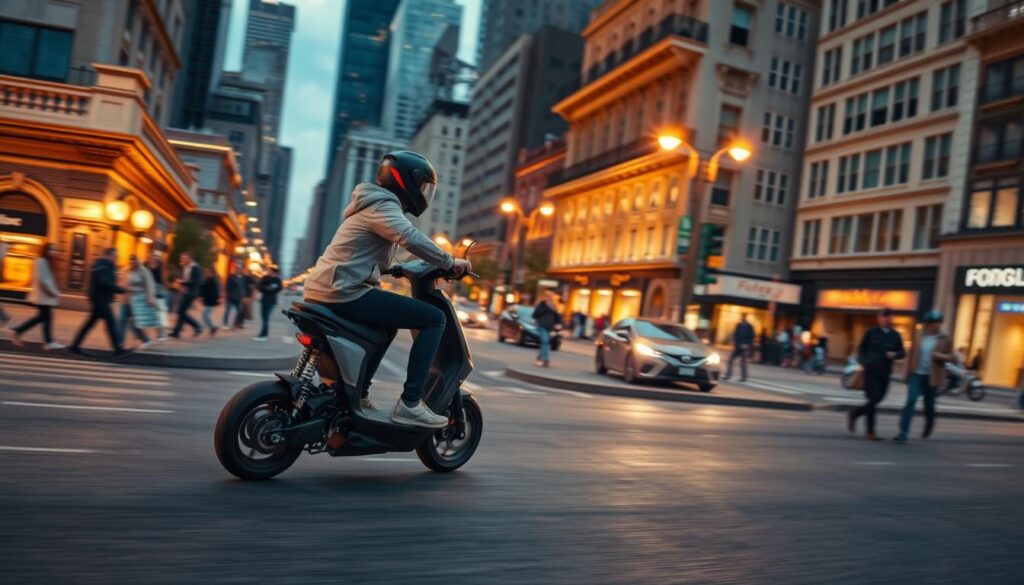
Suspension is tuned for stability: a front oil shock paired with rear dual oil shocks keeps the chassis composed. This setup reduces squat under hard acceleration and smooths bumps on mixed pavement.
- Tires scale from nimble 10-inch sport rubber to 20-inch tubeless hoops that add comfort and grip.
- Brakes range from Magura hydraulics to Brembo systems with electronic assist and regen for stronger, repeatable stops.
- Thoughtful chassis geometry preserves rear traction and agile handling at speed.
Overall, the ride balances raw power with usable control. Riders get thrilling acceleration without sacrificing everyday comfort or safety.
Battery, range, and charging details
Range expectations hinge on battery choice, rider weight, and charger output.
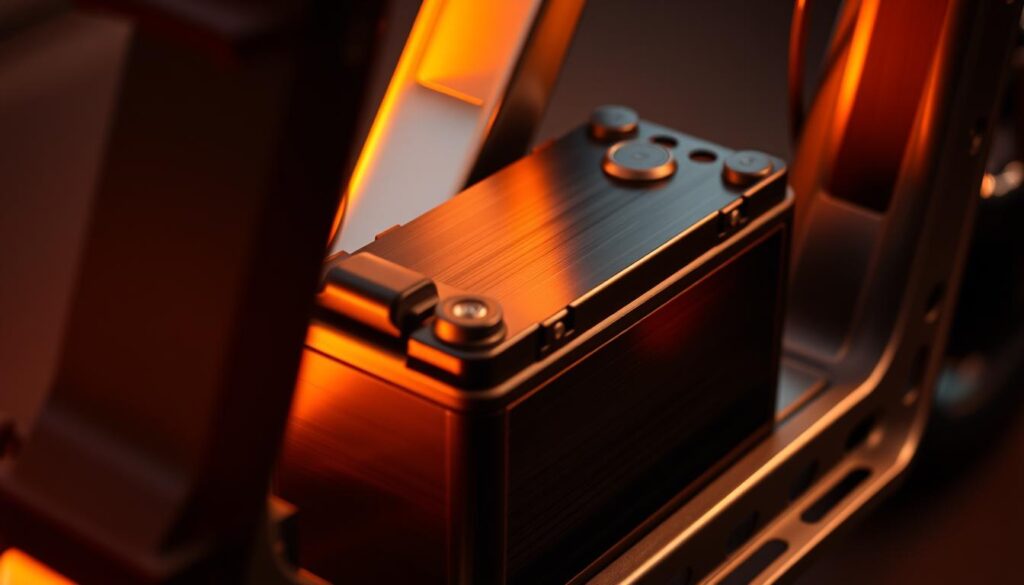
Cell chemistry and pack sizes matter. Options use Samsung 21700 cells in 72V 45Ah, 84V 50Ah, and 100.8V 100Ah layouts. These translate to roughly 3,240Wh, 4,200Wh, and 8,400Wh of usable energy.
Real-world range varies by model and use. The SST targets about 80+ miles per charge, while top Sonic builds can reach roughly 300 km on a single fill.
- Fast charge: High-amp chargers can top select packs in as little as about three hours.
- Load and weight: Units support up to 300 lbs, but added mass reduces distance and pull-off speed.
- Pack care: Smart BMS and quality cell packing protect output on steep climbs and repeated bursts.
For daily commuters of an electric scooter or weekend riders, matching pack size to typical routes helps plan when to charge and how far to ride before topping up.
Pricing, shipping, and warranty in the U.S.
Buying a high-performance electric model means balancing sticker price, delivery terms, and after-sales protection.
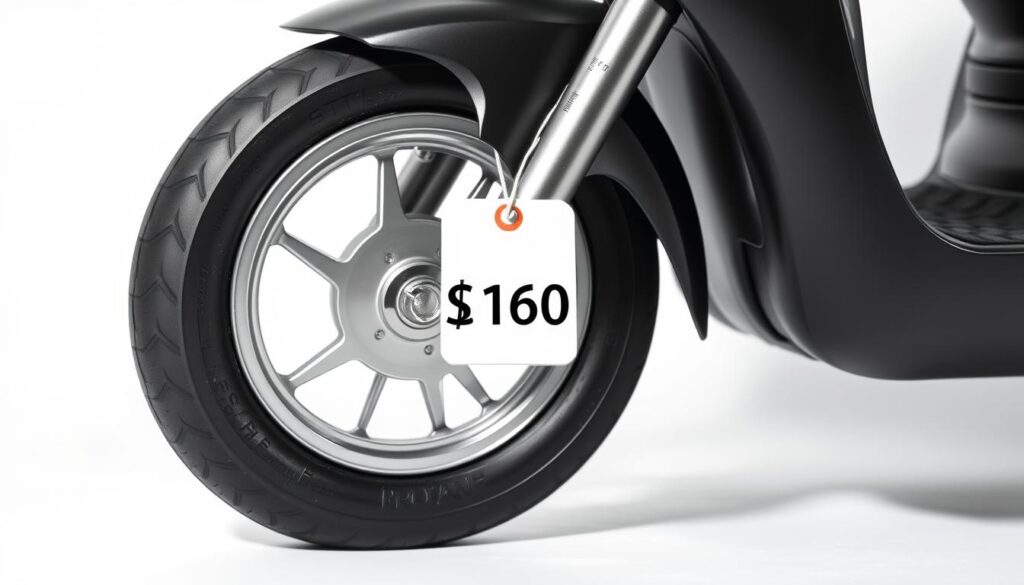
Typical price range spans from about $3,990 to $20,200+ depending on trim and options. Seasonal promotions often narrow that gap, making higher-spec products more attainable for many buyers.
Shipping options for standard builds usually include fast, free shipping within the lower 48 states. Custom or oversized builds often require a dedicated freight shipment of roughly $800, plus duties.
Duties, lead times, and costs
Freighted orders can attract duties around $500 due to heavier weight. Custom configurations typically carry 8–12 week lead times because of low-volume parts and specialized assembly.
Warranty, financing, and returns
Warranty coverage generally runs either 360 days or one full year depending on the retailer. Select dealers add a 30-day money-back option for confident shopping.
- Customer financing: 0% APR is available for qualifying buyers to help spread the price.
- Price-match policies appear at some authorized sellers to secure competitive deals.
- Account for shipping and duties when totaling ownership costs to avoid surprises.
weped scooter models compared: Sonic-S, Sonic-SS, and SST
This lineup splits clear roles: raw top-end power, long-distance endurance, and a practical daily model.
Sonic-S targets riders who want huge velocity with dual 8kW BLDC hub motors and an 84V system. It pairs 20-inch tubeless tires with Brembo plus electronic braking for high stability. List price sits around $14,798 and folding dimensions are W1998 x D315 x H989 mm.
Sonic-SS steps up battery capacity to a 100.8V pack for extended range—claimed up to 300 km—and a top speed approaching 180 km/h. This model is ideal for long runs and sustained high-speed cruising, priced near $18,288.
SST balances real-world usability and thrill. Its 72V 45Ah Samsung 21700 battery delivers roughly 3,240Wh for about 80+ miles. The 5,000W output yields roughly a ~75 mph top speed, supported by Magura hydraulic brakes with regen.
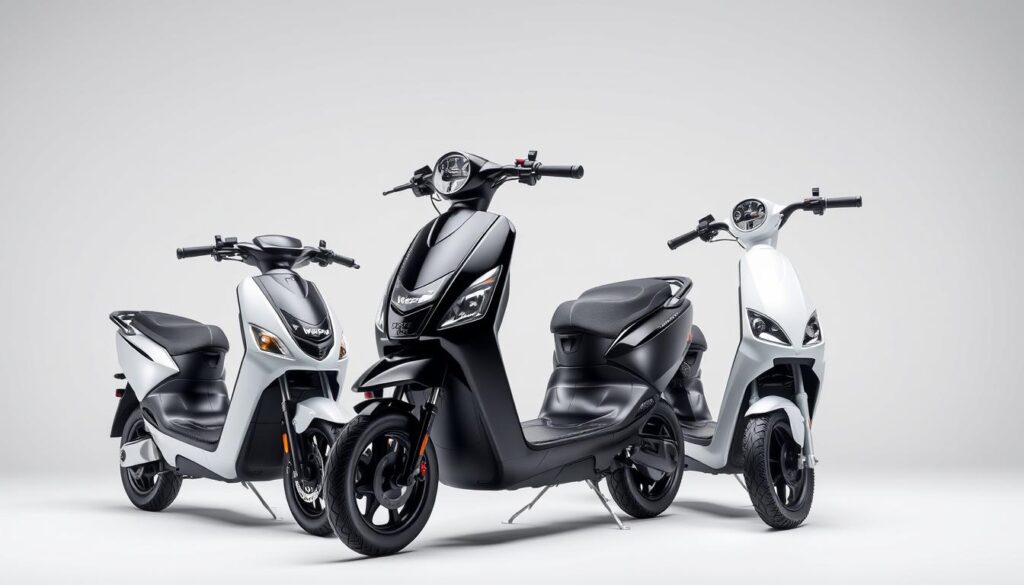
- Frame: POSCO 6061 aluminum CNC machining for rigidity and lighter weight under stress.
- Controls: Widescreen display shows speed, battery, time, and mileage at a glance.
- Ride: Front single oil shock and rear dual oil shocks keep traction steady over rough pavement.
Riders should weigh personal weight, terrain, and commute needs when choosing. Each model scales stopping hardware and power delivery to match its intended use.
Key features that elevate every ride
Reliable stopping and planted traction are what separate a thrilling ride from a risky one.
Premium stopping systems combine proven hardware with modern electronic assist to give riders clear confidence. Brembo calipers and Magura hydraulic assemblies provide firm, predictable lever feel. Electronic braking and regen add repeatable stopping power after repeated high-speed runs.
Wide tubeless tires expand the contact patch for better cornering and braking. Options range from performance 10×4.5″ tubeless rubber to cushioned 20-inch tubeless setups. Tubeless construction reduces pinch-flat risk and lets riders run lower pressure for improved grip without losing stability.
Why these parts matter
- Consistent deceleration: hydraulic actuation from top brands lowers rider fatigue on long trips.
- Grip and control: wide-profile tires plus tuned suspension absorb chatter and keep the chassis composed.
- Energy recovery: electronic regen works with brakes to reclaim power while offering smoother stops.
- Durability: modern compounds and strong casings resist wear across mixed U.S. roads.
Together, these features let riders focus on the route instead of worrying about stopping distances or grip. The result is a safer, more enjoyable ride that suits daily commutes and faster weekend runs on performance scooters.
Ready to ride: how to choose your WePed and order with confidence
, A confident buy comes from matching top speed, battery size, and realistic range to daily habits. For example, SST suits riders chasing ~75 mph bursts, while Sonic-S and Sonic-SS target much higher velocity and longer trips.
Balance price and pack size. Bigger battery options extend range but raise the price and size. Compare total out-the-door costs, including possible freight (~$800) and duties (~$500) for heavy custom builds.
Look at warranty length, financing (0% APR), and shipping timelines. Many ready-to-ship products arrive quickly in the lower 48, while custom products need extra assembly time.
Finally, plan how to charge and join owner groups for setup tips so the electric scooter or e-scooter performs as expected on local roads.
FAQ
What top speed can riders expect from the high-performance models?
Riders can see top speeds ranging from around 75 mph on base machines to over 100+ mph on the most powerful configurations. Exact speed depends on the motor power, battery voltage, final drive ratio, rider weight, and local conditions.
How powerful are the motors and how do they affect hill-climbing?
Dual BLDC hub motors in these models typically deliver between about 4 kW and 8 kW combined. Higher continuous and peak power figures give much better hill-climbing and acceleration, especially when paired with a higher-voltage battery pack.
What suspension and braking setup comes standard for stability and stopping?
The machines use front oil shocks and rear dual oil shocks to smooth rough pavement and maintain control at speed. Hydraulic braking with electronic assist is common, and some trims offer premium components from respected braking brands plus regenerative braking to recover energy.
What tire sizes and types are used for grip and comfort?
Wide-profile tubeless tires in diameters from about 10 to 20 inches are used across the lineup. Larger, tubeless tires improve high-speed stability and reduce pinch-flat risk while providing better traction on mixed surfaces.
What battery chemistries, voltages, and capacities are available?
Battery options include Samsung 21700 cell builds in voltages such as 72V (45Ah), 84V (50Ah), and 100.8V (100Ah) formats. Higher voltage and amp-hour counts increase power delivery and usable range but add weight.
How far will one charge typically go in real-world riding?
Real-world range varies widely: expect roughly 80 miles on lower-capacity systems and up to around 300 km (about 186 miles) on extended packs under conservative riding. Speed, rider mass, terrain, and accessory load all reduce range.
How fast do batteries charge and what charging options exist?
With high-amp chargers, some packs can reach a full charge in approximately three hours. Standard chargers take longer. Fast-charge hardware and dual-charger setups shorten downtime if rapid turnaround is important.
How does rider weight affect performance and range?
Heavier riders or large cargo loads reduce acceleration and lower range. Typical rated payloads up to about 300 lbs will influence top speed and efficiency; manufacturers publish load limits and recommend conservative estimates for range under full load.
What is the expected price range and are there seasonal discounts?
Pricing spans a wide band, roughly from under ,000 for entry-oriented builds to ,000+ for custom, high-output variants. Seasonal promotions and dealer offers can reduce out-the-door cost, and some sellers run limited-time discounts.
What shipping, duties, and lead times should U.S. buyers expect?
Shipping for standard configurations often includes free delivery within the lower 48 states, while custom or freight shipments can incur fees around several hundred to about 0. Buyers should budget for potential duties on heavy units and expect lead times of roughly 8–12 weeks for custom builds.
What warranty and after-sales support is offered?
Warranty coverage commonly ranges up to 360 days or one year, depending on the retailer and the package. Buyers should confirm what the warranty covers — battery, motor, electronics, and frame — and check for authorized service centers in their region.
Are financing and return policies available?
Some retailers provide 0% APR financing options and 30-day money-back guarantees on select orders. Terms vary, so riders should verify credit requirements, restocking fees, and return shipping costs before purchase.
How do the Sonic-S, Sonic-SS, and SST models differ?
The Sonic-S typically uses an 84V system with powerful dual motors for high top speed; the Sonic-SS increases battery voltage and range, pushing extended-distance performance; the SST is often a mid-range option with a 72V 45Ah pack and solid all-around performance. Differences include peak power, battery capacity, and claimed top speeds.
What materials and build quality should buyers expect from the frame?
High-end frames use aircraft-grade aluminum alloys and CNC machining for stiffness and light weight. Quality materials improve durability and reduce flex at speed, helping handling and rider confidence.
What cockpit and display features are included for monitoring ride data?
Widescreen displays that show speed, battery level, trip time, and mileage are common. Some units add ride modes, Bluetooth connectivity, and diagnostics for easy monitoring and customization.
How do the hydraulic brakes and wide tubeless tires improve safety?
Hydraulic brake systems deliver consistent, powerful stopping force with better modulation than mechanical setups. Wide tubeless tires increase the contact patch for improved grip and stability, especially at higher speeds and on imperfect surfaces.
Is it easy to order and customize a build for U.S. riders?
Many sellers offer configurable options—motor tuning, battery size, suspension upgrades, and accessory packs. Buyers should work with authorized dealers or the manufacturer’s sales team to confirm specs, shipping, and any necessary import formalities.
You might also like