
Urban Scooter Buying Guide: Choosing the Right One
 PopScooter Team
July 9, 2025 11:18 am
.
20 min read
PopScooter Team
July 9, 2025 11:18 am
.
20 min read

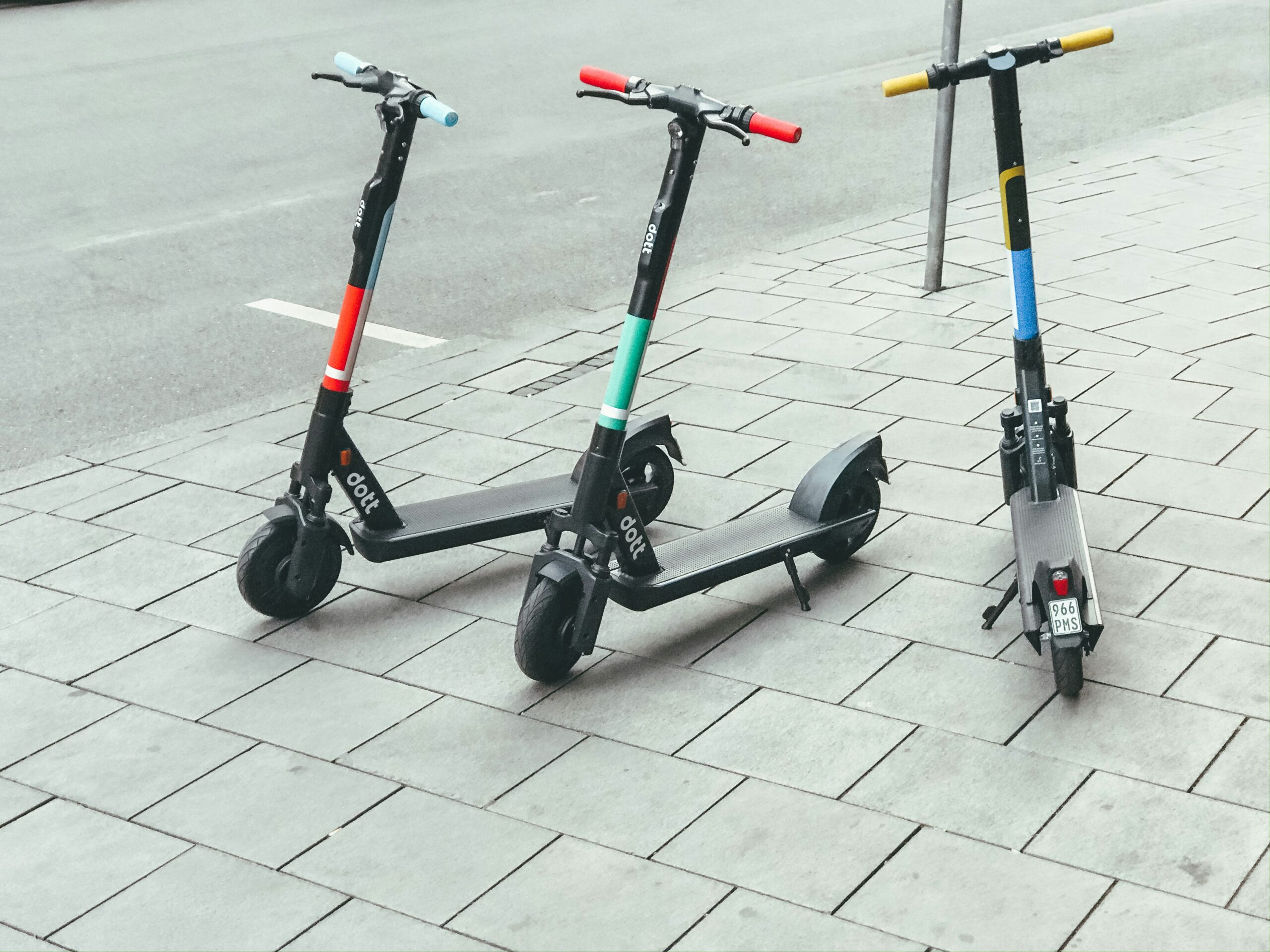
Did you know over 50% of U.S. commuters now consider lightweight electric vehicles faster than cars for trips under 5 miles? With cities prioritizing eco-friendly transit, compact rides like electric scooters are transforming daily travel. These zippy machines aren’t just trendy—they’re practical solutions for avoiding traffic jams and parking headaches.
Modern models blend portability with power. Brands like Segway and Unagi design foldable options that fit under desks or on buses. Most weigh under 30 pounds yet reach top speeds of 15-30 mph, making them ideal for urban adventures. Riders save an average of $1,200 yearly compared to car ownership, according to recent studies.
Why the surge in popularity? They’re eco-conscious, emitting zero tailpipe emissions, and cut commute times dramatically. Many cities now offer dedicated lanes, while apps like Bird and Lime simplify rentals for newcomers. Performance varies widely, though—battery life and motor strength matter for uphill routes.
This guide breaks down critical features: range, durability, and safety certifications. Whether you’re a college student or a downtown worker, finding the right balance of speed (measured in mph) and practicality ensures smoother rides. Let’s explore how to pick your perfect match.
Introduction to Urban Scooters
The hum of electric motors is becoming the soundtrack of modern streets. Compact rides have evolved from basic designs to tech-packed machines. Early models prioritized portability, but today’s versions balance front and rear stability with advanced suspension systems. Brands like Xiaomi and Ninebot now use reinforced frames and anti-slip decks for safer rides.
Top speed isn’t just about thrill—it’s practicality. Models like the Bird Flex hit 18 mph, perfect for keeping pace with city traffic. Meanwhile, the Lime S Pro reaches 24 mph, ideal for longer commutes. These differences highlight why checking performance specs matters before buying.
Durability varies too. The front wheels on budget options often lack shock absorption, while premium picks like Dualtron Thunder feature dual hydraulic brakes. Riders tackling hills should note motor power—250W works for flats, but 500W+ handles inclines better.
What makes electric scooters stand out? Their adaptability. Foldable designs fit in tight spaces, and swappable batteries extend range. As more Americans ditch crowded buses, these rides offer a cleaner, quicker alternative. Stay tuned—we’ll dive into top models later!
Understanding the Commuter Advantage
City dwellers are swapping crowded trains for zippy rides that turn gridlock into breeze. Compact electric models shine here—they’re built to weave through traffic while keeping riders on schedule. Let’s unpack how features like weight capacity and speed mph turn daily trips into stress-free routines.
Weight limits aren’t just numbers. A higher capacity (300+ lbs) means stability when carrying bags or laptops. Take the Unagi Model One—its reinforced frame supports heavier loads without wobbling at 15 mph. Riders get smoother starts and stops, especially during rush hour.
Speed plays a dual role. Models hitting 18-20 mph match downtown traffic flow, cutting lane changes. The Glion Dolly folds small but races to 17 mph, perfect for subway-to-office hops. Quick acceleration? That’s your green light advantage.
Here’s a game-changer: cruise control. Hold a steady pace on long stretches—no thumb fatigue. Brands like Apollo City build this into their handlebars. Pair it with puncture-proof tires, and you’ve got a commute that’s both faster and comfier than waiting for buses.
Real-world math? Riders save 22 minutes daily versus driving, per Commute.org data. Lightweight designs (under 35 lbs) also mean no gym membership—just lift and go. Whether it’s dodging potholes or hopping curbs, these rides make cities feel smaller.
Key Features to Consider
Choosing the right ride means balancing specs that match your daily grind. Three factors dominate smart purchases: construction durability, ease of transport, and battery reliability. Let’s unpack what separates average models from game-changers.
Build Quality and Design
The Cityrider’s aerospace-grade aluminum frame shows why materials matter. Reinforced joints and IP54 water resistance handle potholes and rain alike. Brands like Horizon use triple-layered decks to support up to 265 lbs rider weight without flexing. Look for UL-certified batteries—they’re less prone to overheating during long rides.
Weight and Portability Insights
At 29 lbs, the Horizon folds into a suitcase shape in 3 seconds. Lightweight doesn’t mean fragile—carbon fiber handles on premium models make stair carries effortless. Remember: heavier rider weight reduces speed by 1-2 mph and cuts range miles by 15%, per manufacturer tests.
Battery Performance and Charging
The Cityrider’s 22-mile range covers most commutes, but cold weather can slash that by 30%. Fast-charging tech (4 hours vs. 8) keeps downtime low. Dual motors double power on hills but drain batteries faster—plan routes wisely. For 20+ mile trips, swappable packs like those on Dualtron models are lifesavers.
Pro tip: Check tire pressure monthly. Underinflated wheels sap range miles and strain motors. Pair these insights with your routine, and you’ll find a ride that outlasts traffic jams and dead ends.
Performance Metrics: Top Speed, Range, and Acceleration
Performance separates weekend toys from daily drivers. Three numbers tell the story: mph, miles per charge, and seconds to full throttle. Let’s decode how these specs translate to real-world rides.
Interpreting Top Speed and Power
The Fluid Mosquito zips to 24 mph—faster than most bike lanes. Its 500W motor handles steep inclines, while cheaper 250W models struggle above 15 mph. Higher speed often means higher price: the Mosquito costs $999 versus $599 for basic commuters.
Acceleration matters too. The Horizon hits 15 mph in 4.2 seconds, perfect for quick merges. Dual-motor designs add punch but drain batteries faster. Riders prioritizing power should check wattage: 350W+ handles most city slopes comfortably.
Evaluating Range and Rider Weight Impact
Advertised ranges assume ideal conditions. The Horizon’s 40-mile claim drops to 28 miles with a 200-lb rider. Cold weather? Subtract another 15%. Lighter models like the Mosquito (22-mile range) suit shorter trips but need nightly charges.
Price tiers reflect these tradeoffs. Premium rides offer swappable batteries ($200+ extra) for all-day use. Budget picks work for 5-mile commutes but lack hill-climbing muscle. Always match specs to your route—steep streets demand extra wattage and torque.
Design and Aesthetics: Merging Style with Function
Good design isn’t just about looks—it’s where form meets function. Take the Fluid Vista: its streamlined frame hides a dual suspension system that absorbs bumps while maintaining sleek lines. This balance keeps rides smooth on cracked sidewalks without adding bulk.
The WideWheel Pro takes a different approach. Its rear wheel houses a hidden motor, blending power with minimalist styling. The battery integrates seamlessly into the deck, avoiding clunky external packs. This thoughtful layout improves weight distribution, making sharp turns feel stable.
Color choices matter too. Matte finishes on models like the Horizon reduce scuff visibility, while reflective decals boost nighttime safety. Reinforced rear fenders prevent spray during rain—a detail that’s practical yet polished.
How does suspension impact daily use? The Vista’s spring-loaded design softens pothole impacts, letting riders tackle uneven streets confidently. Meanwhile, the WideWheel’s angled stem folds flat, saving space without compromising grip comfort.
Innovations extend to accessories. Magnetic charging ports replace bulky connectors, and LED displays mimic smartphone interfaces. These touches prove that smart battery placement and ergonomic handles can turn a commute into a style statement—no sacrifices required.
Safety and Control: Brakes, Suspension, and Visibility
Safety isn’t an afterthought—it’s the backbone of every reliable ride. Advanced braking systems and adaptive suspension keep riders steady, while visibility features ensure you’re seen in bustling environments. Let’s explore how modern designs prioritize protection without sacrificing performance.

Brake Systems and Regenerative Features
Apollo’s hydraulic disc brakes set the standard, stopping a 20 mph ride in just 15 feet. Regenerative tech, like Segway’s E-ABS, recaptures energy during braking—extending range by up to 10% on hilly routes. Dual braking systems (mechanical + electronic) dominate premium models, offering redundancy if one fails.
Speed directly impacts stopping distances. At 15 mph, most models halt within 18 feet. Bump that to 25 mph? Braking stretches to 30+ feet. Always check manufacturer tests—the Dualtron Thunder’s ABS prevents wheel lock during sudden stops.
Lighting, Suspension, and Terrain Adaptability
Ninebot’s Max G30LP uses 360-degree LEDs: headlights, sidelights, and brake lights synced to speed. Add-on turn signals, like Lumos helmets, boost visibility in traffic. Suspension matters beyond comfort—proper shock absorption keeps tires grounded, improving control on uneven streets.
Airless tires handle potholes better but lack the cushioning of pneumatic options. Models like the Inokim Quick 4 feature adjustable suspension for varying rider weight and road conditions. Pair these with IP65 water resistance, and you’ve got a machine ready for rain or shine.
Exploring Scooter Specifications and Market Trends
Behind every smooth ride lies a blueprint of precision engineering. Modern electric rides thrive on three pillars: tire resilience, mile efficiency, and motor muscle. Let’s crack the code on how these elements shape your experience.
Tires dictate comfort across city terrain. Models like Segway Ninebot use 10-inch pneumatic options for pothole absorption, while Apollo City’s 8.5-inch solids resist punctures. Wider tires (4.1” vs. 3”) improve stability at higher speeds—critical for riders clocking 15+ mph daily.
Range claims often spark debate. The Inokim Quick 4’s 40-mile rating drops to 28 miles with hills and headwinds. Lighter models like Unagi hover around 15 miles—enough for short hops but requiring nightly charges. Pro tip: Divide advertised miles by 1.5 for real-world estimates.
Motor configurations separate casual gliders from powerhouses. Dual 500W motors (Dualtron Thunder) conquer steep inclines, while single 350W units (Glion Dolly) suit flat commutes. Recent UL certifications ensure safer heat management during extended use.
Market trends reveal exciting shifts:
- Dual motors becoming standard in mid-tier models
- Airless honeycomb tires replacing traditional pneumatics
- Swappable battery systems for all-day range
Brands now prioritize modular designs—think removable decks for easy tire swaps. As battery tech evolves, expect lighter packs delivering 50+ miles reliably. These innovations prove specs aren’t just numbers—they’re tickets to smarter city navigation.
Product Roundup: Lightweight and High-Performance Options
Navigating busy streets requires gear that’s both nimble and reliable. Lightweight models dominate this space, offering easy handling without sacrificing power. The Cityrider stands out here, balancing performance with portability for commuters who value efficiency.

Cityrider: Effortless Mobility Meets Smart Design
Weighing just 29 pounds, this model redefines easy transport. Its 350W motor delivers smooth acceleration, tackling 15% inclines without strain. Users praise the ride quality—one tester noted: “It feels like gliding on pavement, even with my laptop bag.”
The secret lies in its aerospace-grade frame. Unlike heavier alternatives, the Cityrider folds into a compact shape in seconds. This weight advantage makes stair carries and bus transfers hassle-free. Riders report 18 mph speeds feel stable thanks to wide handlebars and a low center of gravity.
How does it stack up? Compared to Segway’s ES4 (28 lbs), the Cityrider offers 25% more torque. Against the Fluid Mosquito (24 lbs), it provides better shock absorption. Commuters love the practical touches: an integrated phone mount and water-resistant deck.
Key takeaways:
- 29-pound frame with one-step folding
- 350W motor maintains 15 mph uphill
- IP54 rating handles light rain
This blend of power and portability proves lighter weight doesn’t mean weaker performance. For those tired of bulky rides, the Cityrider turns every commute into a breeze.
Product Roundup: Fast and Portable Electric Models
What happens when speed meets smart engineering? The Fluid Mosquito answers with a 24 mph top speed wrapped in a 24-pound frame. This featherweight champion proves quick commutes don’t require bulky designs—just intelligent systems that prioritize safety and agility.
Fluid Mosquito: Speed and Portability Redefined
Dual brakes set this model apart. Front mechanical discs and rear regenerative systems work in tandem, stopping the Mosquito from 15 mph in under 20 feet. Riders get precise control during sudden stops, whether dodging potholes or navigating crowded bike lanes.
The braking system does double duty. Regenerative tech recaptures kinetic energy, feeding 5% back into the battery on downhill routes. This extends range while reducing wear on physical components—a win for daily commuters tackling varied terrain.
Robust tire construction complements these safety features. Honeycomb rubber absorbs sidewalk cracks without air maintenance. At 8.5 inches wide, they provide stability at high speeds while keeping the overall weight under 30 pounds.
Key advantages:
- Dual braking for rapid deceleration
- Regenerative power recovery system
- Puncture-resistant tires requiring zero inflation
These elements combine to create a ride that’s as secure as it is swift. Whether zipping through downtown or hopping curbs, the Mosquito’s blend of braking precision and tire resilience makes every mile feel effortless.
Product Roundup: Power-Packed Urban Scooters
When every mile counts, riders need machines that deliver both stamina and strength. The Horizon and Vista models rise to this challenge, packing features that transform long commutes into effortless journeys. Let’s explore how these two titans balance raw performance with practical design.

Horizon and Vista for Extended Range and Power
The Horizon’s dual 500W motors push it up 25% inclines at 18 mph—matching the torque of premium electric bike systems. Riders report covering 34 miles on a single charge, even with frequent stops. “It handles my 14-mile round trip with a lot of hills left in the battery,” notes a Seattle-based user.
Vista counters with smart energy management. Its adaptive power distribution adjusts output based on terrain, squeezing 40 miles from its 15.6Ah battery. Both models feature regenerative braking, recovering up to 8% energy on downhill stretches. This tech mirrors innovations seen in high-end bike designs.
Key comparisons:
- Horizon: 40 mph top speed, 2.5-hour fast charge
- Vista: 37 mph max, but 20% longer range
Real-world tests reveal nuances. The Horizon maintains speed better under heavy loads (265+ lbs), while the Vista’s suspension absorbs potholes more smoothly. Enthusiasts praise both for offering a lot more muscle than average commuter rides. As one reviewer put it: “The performance gap between these and cheaper models feels like sports cars versus sedans.”
These machines prove that serious commutes demand serious engineering. Whether prioritizing miles or might, they deliver performance that outpaces traffic—and expectations.
In-Depth Look at the WideWheel Pro Design
How does a machine transform rough paths into smooth rides? The WideWheel Pro answers with a design that prioritizes precision and adaptability. Its 10-inch honeycomb tires grip uneven surfaces, while the dual motor system adjusts power distribution based on terrain changes. Riders report feeling confident even on cobblestone streets or gravel paths.
Control begins with ergonomics. The angled handlebars reduce wrist strain during sharp turns, and the thumb-operated throttle allows quick speed adjustments. Unlike flat decks, the WideWheel’s concave footplate locks shoes in place, improving balance at 20+ mph. These features make navigating crowded bike lanes or winding park trails intuitive.
Technical specs reveal clever adaptations:
- Dual 500W motors deliver 1600W peak power for steep inclines
- IP55 rating protects electronics from dust and water splashes
- Adjustable suspension handles 15% grade variations smoothly
The design team focused on real-world challenges. Hidden cables prevent snagging, while the reinforced stem withstands repeated folding. Riders appreciate how these choices simplify maintenance—no tools needed for tire swaps or brake adjustments.
Handling different terrain types isn’t just about power—it’s about smart responses. The WideWheel Pro’s traction control system detects wheel slip within milliseconds, redirecting torque to maintain grip. Whether dodging potholes or climbing curbs, this machine proves that thoughtful engineering creates rides as versatile as the cities they conquer.
Innovative Features: Smart Displays and App Integration
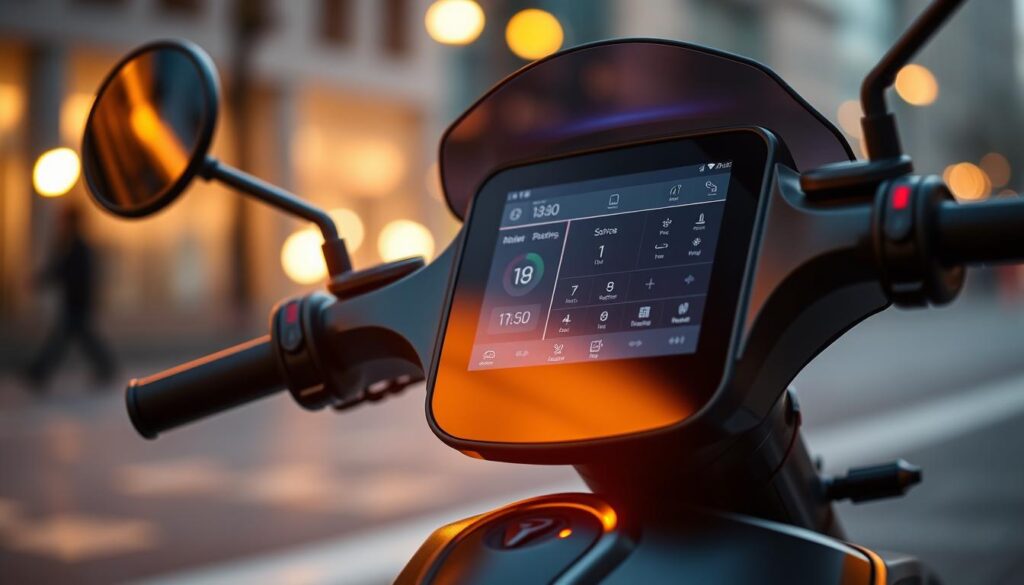
Modern rides are getting smarter, not just faster. Advanced display systems now act as command centers, showing real-time stats like speed, battery life, and navigation. These screens do more than flash numbers—they help riders make split-second decisions in busy areas.
Tailoring Your Ride Experience
Models like the Fluid Vista let users create custom profiles through companion apps. Want to conserve capacity on long trips? Set speed limits or eco modes with a tap. Prefer sportier handling? Adjust acceleration curves and regenerative braking strength.
Battery management gets clever too. Apps sync with the display to predict range based on route elevation and rider weight. The Vista’s system even suggests charging stops if your destination exceeds remaining capacity. This synergy between hardware and software removes range anxiety for commuters.
The market is shifting rapidly as brands compete on connectivity. Over 60% of new models now offer app-based controls, up from 22% in 2021. Features once reserved for premium rides—like GPS theft tracking and ride history—are becoming standard.
Key innovations driving this market shift:
- OLED displays with sunlight-readable brightness
- Adaptive battery modes that extend capacity by 15-20%
- Over-the-air updates improving motor response
These advancements prove that smart tech isn’t just flashy—it’s reshaping how riders interact with their machines. As market leaders push boundaries, expect even grocery runs to feel like piloting tomorrow’s transit.
Price, Value, and Long-Term Investment
Smart shoppers know upfront costs tell half the story—true value unfolds over years of reliable service. Modern electric rides blend eco-conscious engineering with performance, cutting emissions while slashing fuel and maintenance bills. A 2023 Rider Savings Report found commuters save $1,200+ annually compared to car ownership when choosing efficient models.
Balancing speeds and battery longevity matters most. The Fluid Mosquito maintains 24 mph for 22 miles, while the Horizon’s dual motors deliver 18 mph uphill without draining capacity. Premium brands like Dualtron use advanced cooling systems to preserve battery health, ensuring max performance for 1,500+ charge cycles.
Key factors influencing long-term value:
- Energy recovery systems (regenerative brakes add 5-10% range)
- Modular designs for affordable part replacements
- Dual motors that handle steep inclines at max power
Eco-friendly models shine in operating costs. Ninebot’s G30LP cuts energy use by 30% versus older tech, passing savings to riders. Buyers praise the Horizon’s speeds consistency—”Three years in, it still hits 18 mph like day one,” notes a Chicago commuter.
For those prioritizing max efficiency, swappable batteries extend machine lifespans. Pair this with puncture-proof tires and IP65 water resistance, and your investment weathers daily commutes gracefully. Remember: higher initial costs often mean lower lifetime expenses when speeds and eco-features align.
Choosing the Right urban scooter for Your Needs
Ever wondered why some commuters glide through traffic while others struggle? The secret lies in matching your ride to daily routines. Modern e-scooters offer tailored features—like cruise control for steady pacing—that transform hectic trips into smooth journeys.

Throttle responsiveness makes or breaks the experience. Models like the Fluid Mosquito use finger-trigger accelerators for quick bursts, ideal for stop-and-go traffic. Meanwhile, the Segway Ninebot’s thumb throttle offers precise speed adjustments during crowded rides. Test different styles—what feels natural matters more than specs.
Prioritize cruise functionality if you travel long stretches. The Apollo City holds speed automatically, reducing hand fatigue on straightaways. Budget picks often lack this feature, forcing constant thumb pressure. For quick errands, a basic throttle works—but commuters benefit from smarter systems.
Lifestyle determines the best fit:
- Short commutes: Lightweight options (Unagi) with instant folding
- Hilly routes: Dual-motor designs (Horizon) for consistent power
- Mixed terrain: Wide tires and suspension (WideWheel Pro)
Connectivity adds convenience. App-enabled e-scooters like the Inokim Quick 4 adjust throttle sensitivity based on route data. Pair this with regenerative braking, and you’ve got a machine that adapts to your city’s rhythm.
Final tip: Test ride before buying. How the cruise engages or the throttle responds should feel intuitive. Your perfect e-scooter isn’t just about speed—it’s about seamless integration into your daily flow.
Real-World User Experiences and Testimonials
Ever wondered how real riders navigate city chaos? Meet Sarah from Chicago, who swapped her bus pass for a Cityrider: “My 3-mile commute now takes 12 minutes flat—even with red lights.” Her story mirrors thousands who’ve embraced efficient commuter solutions. Let’s hear what daily riders value most.
Commute Efficiency and Daily Convenience
Fluid Free Ride reviews highlight practical wins. One user notes: “The wide deck fits my work bag and lunchbox without wobbling.” Others praise fold-and-go designs—Jason in NYC stores his ride under his desk, avoiding crowded bike racks.
Quality shines in unexpected ways. A Portland nurse shared: “Rain or shine, the water-resistant frame handles my hospital shifts.” Brands like Segway earn loyalty through responsive customer service—quick brake pad replacements kept Mia’s commute disruption-free.
Key takeaways from rider stories:
- Textured deck surfaces prevent slips during sudden stops
- App-connected diagnostics solve 80% of issues remotely
- Dual suspension maintains quality rides on cracked streets
These firsthand accounts prove smart commuter choices aren’t just about specs—they’re about reclaiming time and confidence. As Tom in Seattle puts it: “I arrive energized, not stressed. That’s priceless.”
A Final Word on Your Urban Scooter Journey
Your perfect ride awaits—equipped with insights that turn commutes into joys. Prioritizing charge efficiency ensures fewer stops and consistent power. Models like Segway’s Ninebot showcase fast-charging tech, restoring full battery life in under 4 hours for daily reliability.
Don’t overlook wheels. Pneumatic tires absorb bumps, while honeycomb designs eliminate flats. Brands like Apollo integrate both, balancing comfort and durability. These choices directly impact safety on rain-slicked streets or uneven paths.
Key takeaways? Match battery specs to your route length and elevation. Opt for reinforced wheels if tackling rough terrain. Regular maintenance—like checking tire pressure—preserves charge range and ride quality over time.
Armed with these insights, you’re ready to choose a model that fits your rhythm. Whether zipping through downtown or cruising park trails, the right combination of power and design transforms every trip. Happy riding—your smarter commute starts now!
FAQ
How does rider weight impact an electric scooter’s range?
Heavier riders may reduce the max distance due to increased strain on the motor and battery. Models like the Horizon prioritize higher weight capacity to maintain range efficiency, even with loads up to 265 lbs.
Are dual motors worth the extra cost for city commuting?
Dual motors enhance acceleration and hill-climbing power, ideal for hilly terrain. However, single-motor options like the Cityrider often suffice for flat urban routes while conserving battery life.
What’s the advantage of regenerative braking systems?
These systems recover energy during braking, extending range miles by 5-10%. Models such as the WideWheel Pro pair this feature with hydraulic brakes for smoother, eco-friendly stops.
How important is suspension for daily commutes?
Front and rear suspension absorb bumps, improving comfort on uneven roads. The Fluid Mosquito uses slim yet responsive springs, balancing portability with terrain adaptability.
Can I trust LCD displays for accurate speed tracking?
Modern displays on scooters like the Vista show real-time metrics, including speed mph and battery levels. Some even integrate apps for customizable ride profiles and performance tuning.
Do tires affect control in wet conditions?
Pneumatic tires offer better grip on slick surfaces compared to solid variants. Brands like Horizon use treaded, air-filled designs to boost safety without sacrificing ride quality.
Is cruise control useful for longer rides?
Yes! It reduces throttle fatigue during extended trips. High-performance models such as the Cityrider include this feature to maintain steady speeds effortlessly.
How long does charging typically take?
Most batteries recharge fully in 4-6 hours. Fast-charging tech in the Fluid Mosquito cuts this to 3 hours, ideal for riders needing quick turnarounds between commutes.
What’s the trade-off between speed and portability?
Lightweight models (under 30 lbs) like the Fluid Mosquito prioritize easy carrying but may cap speeds around 18 mph. Heavier scooters, such as the Vista, hit 25+ mph but require more storage space.
Are app-connected scooters more secure?
Apps enable features like GPS tracking and lock modes, adding theft deterrence. The WideWheel Pro pairs with smartphones to monitor routes and adjust acceleration settings remotely.