Explore 150cc Scooter for Sale – Reviews and Pricing
 PopScooter Team
February 28, 2026 3:27 am
.
13 min read
PopScooter Team
February 28, 2026 3:27 am
.
13 min read
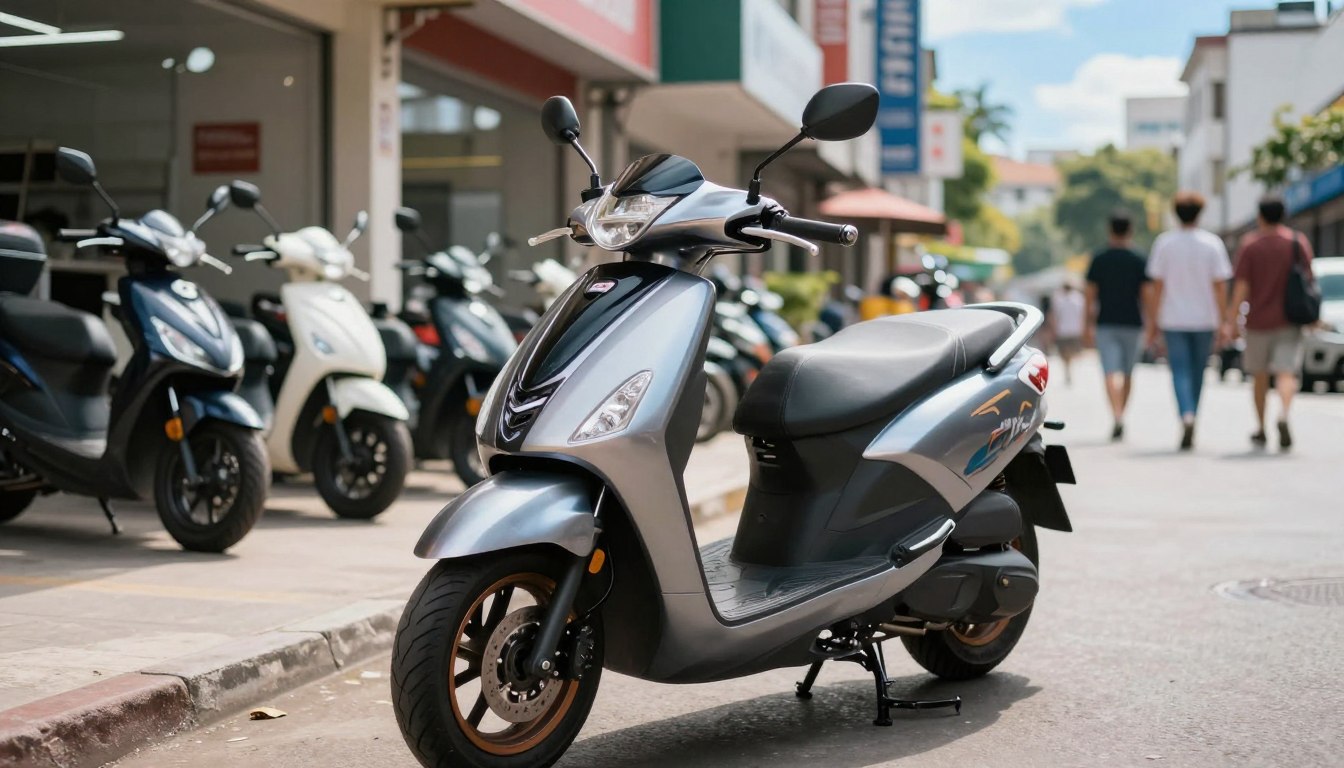
Can a single model give commuters the nimble feel of a moped and the punch of a small motorcycle? This roundup answers that question with clear reviews and pricing snapshots. It shows which models match different US city needs and which riders will benefit most.
The guide lists quick reviews, MSRP and listed sale pricing, and who each product fits best. It sets expectations for urban use: stronger acceleration than tiny engines while staying approachable for everyday riders.
Readers get the review method up front: engine type, transmission, wheel size, comfort features, and whether a unit arrives assembled and tested. The article also explains key terms like MSRP versus listed pricing so shoppers don’t get stuck.
This lineup sits in a practical middle ground between small commuters and full motorcycles. That balance delivers manageable speed, sensible fuel use, and useful add-ons such as USB charging and LED lighting.
Key Takeaways
- Roundup covers quick reviews, MSRP and sale pricing for easy comparison.
- 150cc models give confident acceleration without complex controls.
- Key specs—engine, wheels, comfort—drive real value.
- MSRP vs sale pricing explained to avoid sticker shock.
- Useful for US city riders seeking fuel-smart, practical transport.
- Multiple brands and products are compared in one place.
Why a 150cc Scooter Makes Sense for US City Riders Right Now
City commutes often demand quick decision-making and easy handling. A mid-power model keeps parking and lane-splitting simple while offering enough torque to merge with traffic confidently.
Real-world speed and handling
The ride blends the agility of smaller mopeds with added stability. Riders get better acceleration and steadier tracking without the bulk or weight of a full motorcycle.
What to expect for max speed
Most models commonly list a max of about 45–50 MPH. That range suits surface-street commuting and short suburban connectors.
Note: max is not normal cruise. Most riders keep a comfortable buffer below top speed for wind, traffic, and safety.
Fuel efficiency and fewer gas stops
Automatic CVT transmission makes takeoffs predictable and reduces rider workload in stop-and-go city traffic.
Better fuel efficiency means fewer gas runs, saving time and money over weekly commutes. Riders in different states should still confirm local licensing and registration rules.
- Simpler daily use: twist-and-go transmission and light handling.
- Practical speeds: usable max without motorcycle complexity.
- Efficiency wins: fewer fill-ups and less detouring on errands.
Top 150cc scooter for sale: Reviews and Pricing on Popular Models
This list pairs clear pricing with practical notes so buyers can match models to real commuting needs.
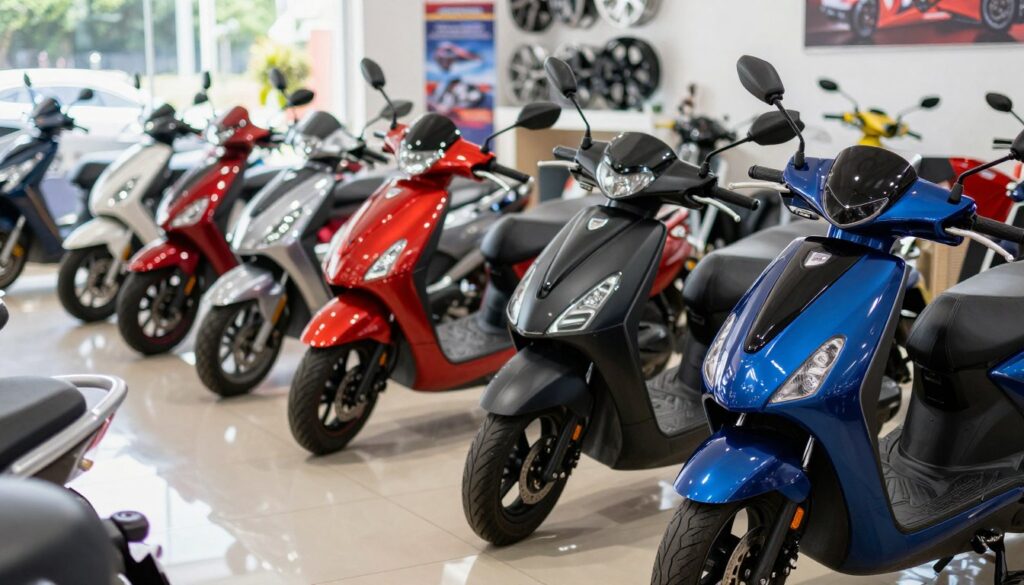
Vitacci ARMADA
MSRP $1,259.99. Retro-styled city ride with 10″ tires that make handling tight streets feel nimble. It uses a 150cc 4-stroke motor suited to daily urban runs.
Icebear FLASH PMZ150-4
MSRP $1,299.95. GY6 power, LED lights and a USB port add everyday convenience. Ten-inch wheels keep turns quick and responsive.
Vitacci FOCUS ST
MSRP $1,319.99. Practical commuter mix: 4-stroke engine, CVT transmission and USB charging. A reliable pick for predictable city rides.
TrailMaster Trophy
MSRP $1,398.00. Air-cooled 4-stroke design favors riders who want simple, low-maintenance urban transport.
- Amigo RAPPI SUPER SPORT — MSRP $1,399.95: sport-leaning 149cc response and style.
- Ice Bear Clash PMZ150-2 — MSRP $1,409.95: CVT and mixed wheel sizes (12″/10″) for added stability.
- Vitacci Fighter Pro — MSRP $1,529.95; listed $1,429.99: performance-oriented GY6 option.
- Icebear F3 PMZ150-3 — MSRP $1,499.00: CVT plus hydraulic disc brakes and LEDs for safety.
- Cougar CHALLENGER — MSRP $1,518.99: fully assembled and tested, less setup hassle.
- RPS ADV 150 — MSRP $2,099.95: large-body comfort with digital speedometer for taller riders.
- ICE BEAR MADDOG GEN V — MSRP $2,199.95: standout styling and CARB approval noted for California buyers.
How to Choose Between 150 Scooters and 150 Mopeds for Your Needs
Picking between small urban mopeds and mid-power models comes down to how and where a rider plans to use it. Start by focusing on engine, transmission, wheel size, and comfort rather than labels.
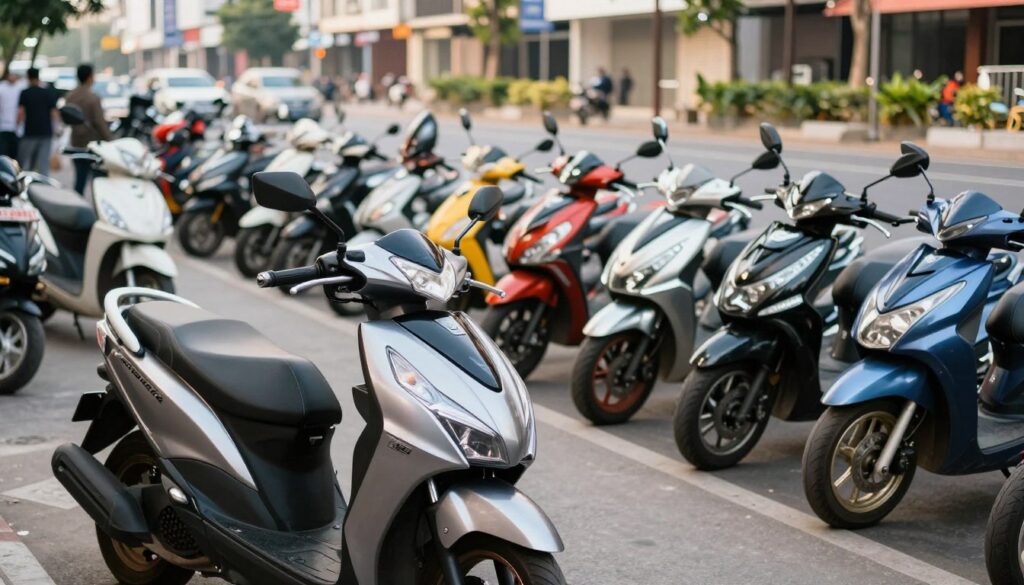
Engine and transmission basics
GY6 is a common motor platform on many models. It pairs well with a 4-stroke layout, which favors reliable everyday use and cleaner running than older two-stroke designs.
Automatic CVT transmission means simple, twist-and-go riding. It smooths takeoffs and makes stop-and-go city traffic easy, so riders avoid clutch shifts like on a motorcycle.
City comfort and convenience
Look for padded seating, usable under-seat storage, and a clear dash. A digital speedometer helps pace traffic while LED lighting improves visibility at dusk.
USB charging is a practical bonus for phone navigation and long errands.
Wheels, tires, and stability
Ten-inch wheels are common because they fit compact frames and aid tight turns. Models with a larger front wheel add a steadier feel at higher speed and over rough patches.
Maintenance and realistic use
Routine checks—oil, brakes, tires and belt—keep maintenance low and efficiency high. Regular service prevents surprise repairs and preserves fuel efficiency.
- Where they shine: daily commuting and errands, with limited light back-road rides.
- Where to be cautious: dirt or rough trails need slower speeds and tougher tires and brakes.
- Compliance: rules vary by state, so confirm registration, licensing, and insurance before buying a 150 moped or 150 scooter.
For a concise guide on picking between models, see this helpful comparison on moped choices and practical use: what is the best moped and. For adult-oriented moped options and real-world tips, check this moped guide for adults.
Ready to Compare Models and Buy with Confidence
Match price to must-have features. Start by listing essentials like USB charging, LED lights, a digital dash, and strong brakes. Then confirm how each option fits the rider’s usual route and stops.
Shop smart, not fast. Compare MSRP against any listed sale pricing and weigh total value — features, assembly status, warranty, and dealer support — over the lowest sticker price.
Quick final checklist: confirm expected top speed for the commute, test seating and storage needs, and verify the automatic transmission type is what they want.
Think about delivery and setup. Choose fully assembled, tested units if they want minimal fuss, or save money if they can handle basic at‑home setup. Financing through Paytomorrow can help spread payments.
Next step: shortlist 2–3 models, re-check specs, then pick the model that best matches a practical commuter or a more motorcycle‑adjacent ride. See local options like 150cc scooters to start a shortlist.
FAQ
What makes a 150cc model a good choice for city riders?
A 150cc machine hits a practical balance between slow urban mopeds and full-size motorcycles. It offers brisk acceleration for quick merges, comfortable cruising at 45–50 MPH on surface streets, and enough passing power for short highway stretches. Riders get better top speed and stability than with smaller engines while keeping low fuel use and simple maintenance.
How much fuel can someone expect from a 150-class ride?
Typical real-world efficiency ranges from about 70 to 100 miles per gallon depending on riding style, load, and traffic. Most riders report fewer stops at the pump than on larger motorcycles, thanks to efficient four-stroke engines and CVT transmissions that keep the motor in its sweet spot.
Are these models easy to ride for beginners?
Yes. Many use an automatic CVT transmission and intuitive controls, making them approachable for new riders. Lower seat heights and manageable curb weights help with confidence at slow speeds and in parking situations.
What are common engine and transmission types to look for?
The most common setups include GY6-style single-cylinder four-stroke engines and automatic CVTs. These combine durability with simple upkeep and smooth power delivery suited to stop-and-go city traffic.
How important are wheel size and tires for daily use?
Wheel size affects stability and ride comfort. Ten-inch wheels are popular for nimble handling and compact packaging, while larger wheels improve comfort over rough pavement. Tire quality and tread design also play a big role in wet-weather grip and braking performance.
What convenience features add real value for commuters?
Useful features include under-seat storage, USB charging ports, LED lighting, digital speedometers, and comfortable seating. These items make daily errands easier and add to overall practicality without raising maintenance complexity.
Are any of the listed models CARB-approved for California use?
Some models, like certain ICE BEAR configurations, note California CARB compliance. Buyers should verify the specific year and model’s certification level with the dealer or manufacturer before purchase to ensure legal operation in California.
How much maintenance should owners expect over time?
Routine tasks include oil and filter changes, brake inspections, belt or transmission checks, tire care, and periodic valve or carburetor adjustments on older designs. Properly maintained four-stroke engines provide long service life with relatively low cost compared with larger motorcycles.
Can a 150-class ride handle occasional highway stretches?
They can manage short highway segments and on-ramps, but riders should expect cruising near their top range—often around 45–50 MPH. For sustained high-speed travel, a larger-displacement motorcycle is a better fit, but for mixed city commuting and short highway hops, a 150 works well.
How do prices vary across popular models and trims?
Entry-level compact models start around the low thousands, with mid-range offers near
FAQ
What makes a 150cc model a good choice for city riders?
A 150cc machine hits a practical balance between slow urban mopeds and full-size motorcycles. It offers brisk acceleration for quick merges, comfortable cruising at 45–50 MPH on surface streets, and enough passing power for short highway stretches. Riders get better top speed and stability than with smaller engines while keeping low fuel use and simple maintenance.
How much fuel can someone expect from a 150-class ride?
Typical real-world efficiency ranges from about 70 to 100 miles per gallon depending on riding style, load, and traffic. Most riders report fewer stops at the pump than on larger motorcycles, thanks to efficient four-stroke engines and CVT transmissions that keep the motor in its sweet spot.
Are these models easy to ride for beginners?
Yes. Many use an automatic CVT transmission and intuitive controls, making them approachable for new riders. Lower seat heights and manageable curb weights help with confidence at slow speeds and in parking situations.
What are common engine and transmission types to look for?
The most common setups include GY6-style single-cylinder four-stroke engines and automatic CVTs. These combine durability with simple upkeep and smooth power delivery suited to stop-and-go city traffic.
How important are wheel size and tires for daily use?
Wheel size affects stability and ride comfort. Ten-inch wheels are popular for nimble handling and compact packaging, while larger wheels improve comfort over rough pavement. Tire quality and tread design also play a big role in wet-weather grip and braking performance.
What convenience features add real value for commuters?
Useful features include under-seat storage, USB charging ports, LED lighting, digital speedometers, and comfortable seating. These items make daily errands easier and add to overall practicality without raising maintenance complexity.
Are any of the listed models CARB-approved for California use?
Some models, like certain ICE BEAR configurations, note California CARB compliance. Buyers should verify the specific year and model’s certification level with the dealer or manufacturer before purchase to ensure legal operation in California.
How much maintenance should owners expect over time?
Routine tasks include oil and filter changes, brake inspections, belt or transmission checks, tire care, and periodic valve or carburetor adjustments on older designs. Properly maintained four-stroke engines provide long service life with relatively low cost compared with larger motorcycles.
Can a 150-class ride handle occasional highway stretches?
They can manage short highway segments and on-ramps, but riders should expect cruising near their top range—often around 45–50 MPH. For sustained high-speed travel, a larger-displacement motorcycle is a better fit, but for mixed city commuting and short highway hops, a 150 works well.
How do prices vary across popular models and trims?
Entry-level compact models start around the low thousands, with mid-range offers near $1,200–$1,600 depending on features. Larger bodied or feature-rich scooters, like premium digital displays or bigger frames, can rise toward $2,000 or more. Seasonal promotions and dealer discounts often affect final pricing.
What should buyers check during a test ride?
They should note throttle response, braking feel, suspension comfort, turn-in stability, and ease of low-speed handling. Check the dash for clear readouts, test any USB or charging outlets, and verify that storage locks and seats operate smoothly.
,200–
FAQ
What makes a 150cc model a good choice for city riders?
A 150cc machine hits a practical balance between slow urban mopeds and full-size motorcycles. It offers brisk acceleration for quick merges, comfortable cruising at 45–50 MPH on surface streets, and enough passing power for short highway stretches. Riders get better top speed and stability than with smaller engines while keeping low fuel use and simple maintenance.
How much fuel can someone expect from a 150-class ride?
Typical real-world efficiency ranges from about 70 to 100 miles per gallon depending on riding style, load, and traffic. Most riders report fewer stops at the pump than on larger motorcycles, thanks to efficient four-stroke engines and CVT transmissions that keep the motor in its sweet spot.
Are these models easy to ride for beginners?
Yes. Many use an automatic CVT transmission and intuitive controls, making them approachable for new riders. Lower seat heights and manageable curb weights help with confidence at slow speeds and in parking situations.
What are common engine and transmission types to look for?
The most common setups include GY6-style single-cylinder four-stroke engines and automatic CVTs. These combine durability with simple upkeep and smooth power delivery suited to stop-and-go city traffic.
How important are wheel size and tires for daily use?
Wheel size affects stability and ride comfort. Ten-inch wheels are popular for nimble handling and compact packaging, while larger wheels improve comfort over rough pavement. Tire quality and tread design also play a big role in wet-weather grip and braking performance.
What convenience features add real value for commuters?
Useful features include under-seat storage, USB charging ports, LED lighting, digital speedometers, and comfortable seating. These items make daily errands easier and add to overall practicality without raising maintenance complexity.
Are any of the listed models CARB-approved for California use?
Some models, like certain ICE BEAR configurations, note California CARB compliance. Buyers should verify the specific year and model’s certification level with the dealer or manufacturer before purchase to ensure legal operation in California.
How much maintenance should owners expect over time?
Routine tasks include oil and filter changes, brake inspections, belt or transmission checks, tire care, and periodic valve or carburetor adjustments on older designs. Properly maintained four-stroke engines provide long service life with relatively low cost compared with larger motorcycles.
Can a 150-class ride handle occasional highway stretches?
They can manage short highway segments and on-ramps, but riders should expect cruising near their top range—often around 45–50 MPH. For sustained high-speed travel, a larger-displacement motorcycle is a better fit, but for mixed city commuting and short highway hops, a 150 works well.
How do prices vary across popular models and trims?
Entry-level compact models start around the low thousands, with mid-range offers near $1,200–$1,600 depending on features. Larger bodied or feature-rich scooters, like premium digital displays or bigger frames, can rise toward $2,000 or more. Seasonal promotions and dealer discounts often affect final pricing.
What should buyers check during a test ride?
They should note throttle response, braking feel, suspension comfort, turn-in stability, and ease of low-speed handling. Check the dash for clear readouts, test any USB or charging outlets, and verify that storage locks and seats operate smoothly.
,600 depending on features. Larger bodied or feature-rich scooters, like premium digital displays or bigger frames, can rise toward ,000 or more. Seasonal promotions and dealer discounts often affect final pricing.
What should buyers check during a test ride?
They should note throttle response, braking feel, suspension comfort, turn-in stability, and ease of low-speed handling. Check the dash for clear readouts, test any USB or charging outlets, and verify that storage locks and seats operate smoothly.